Is Cloud Computing a Good Career Path for Beginners
Is cloud computing a good career path for beginners? The short answer is yes. Cloud computing offers high demand, strong salaries, and clear growth paths for newcomers. This guide covers everything from entry-level jobs to must-have skills and certifications. You will learn why now is the perfect time to start a cloud computing career.
Cloud computing has changed the way businesses store data, run applications, and serve customers worldwide. Every day, millions of people use cloud services without even realizing it. From streaming videos to checking email, the cloud powers modern life.
But behind every cloud app is a team of skilled professionals. These experts build, manage, and secure the systems that keep everything running. If you are thinking about a career in tech, you might be asking one big question: is cloud computing a good career choice?
The answer is a strong yes. Cloud computing is one of the fastest-growing fields in technology. Companies of all sizes are moving their work to the cloud. This shift creates thousands of new jobs every year. Whether you are fresh out of school or switching careers, the cloud offers a welcoming path forward.
Key Takeaways
- High Demand: Cloud computing jobs are growing fast across every industry.
- Beginner-Friendly: You do not need a degree to start a cloud computing career path.
- Strong Salaries: Entry-level cloud roles pay well above average tech salaries.
- Clear Certifications: AWS, Azure, and Google Cloud offer recognized credentials.
- Flexible Learning: Many free and low-cost resources exist to build cloud skills.
- Long-Term Growth: Cloud skills open doors to senior roles like architect and DevOps engineer.
📑 Table of Contents
- What Is Cloud Computing and Why Does It Matter?
- Why Cloud Computing Is a Good Career Path for Beginners
- Top Cloud Computing Jobs You Can Start Today
- Essential Skills and Certifications for Cloud Careers
- Cloud Computing Salary and Job Outlook
- Common Mistakes Beginners Make in Cloud Computing
- Conclusion
What Is Cloud Computing and Why Does It Matter?
Before diving into career details, let us understand what cloud computing actually means. In simple terms, cloud computing is the delivery of computing services over the internet. Instead of owning physical servers, you rent storage, power, and software from a provider.
How Cloud Computing Works in Everyday Life
You already use cloud services every day. When you save photos to Google Drive, you are using the cloud. When you watch Netflix, the content comes from cloud servers. Even the apps on your phone likely rely on cloud infrastructure to function.
Businesses use the cloud to store data, run applications, and serve customers around the clock. This approach saves money and offers flexibility. Companies can scale up or down based on demand without buying expensive hardware.
The Three Main Cloud Service Models
Cloud services fall into three main categories. Understanding these helps you see the different career paths available.
- SaaS (Software as a Service): Ready-to-use apps delivered over the internet. Examples include Gmail, Salesforce, and Microsoft 365.
- PaaS (Platform as a Service): Tools that let developers build and deploy apps without managing servers. Google App Engine and Heroku are popular examples.
- IaaS (Infrastructure as a Service): Virtualized computing resources like servers and storage. Amazon Web Services (AWS) and Microsoft Azure lead this category.
Each model creates different job opportunities. IaaS roles often involve infrastructure management. SaaS roles focus more on customer support and product management. PaaS roles lean toward development and deployment.
Why Cloud Computing Is a Good Career Path for Beginners
Now let us answer the core question. Why should a beginner consider a cloud computing career? The reasons are compelling and well-supported by data.
High Demand for Cloud Professionals
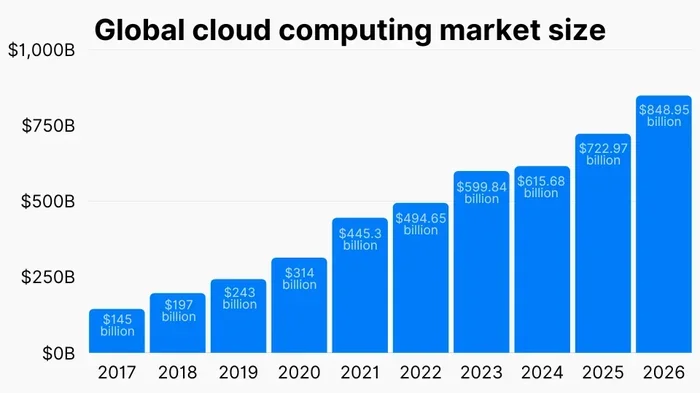
Every major company is moving to the cloud. Retailers, banks, hospitals, and government agencies all need cloud experts. This demand is not slowing down. In fact, global cloud spending continues to grow year after year.
According to industry reports, cloud job postings have increased significantly over the past five years. Employers are actively searching for people with cloud skills. This means beginners have a real advantage when they enter the field.
Low Barrier to Entry
Unlike many tech careers, you do not need a four-year degree to start in cloud computing. Many successful cloud professionals are self-taught. They learned through online courses, free tutorials, and hands-on practice.
Cloud platforms like AWS, Azure, and Google Cloud offer free tiers. You can practice building real projects without spending money. This makes it one of the most accessible fields in technology today.
Clear Career Progression
A cloud computing career path offers clear steps from beginner to expert. You can start as a cloud support associate or junior cloud engineer. With experience and certifications, you can move into roles like cloud architect or cloud security specialist.
The progression is well-defined and rewarding. Each step brings higher pay and more responsibility. This makes it easy to plan your growth from day one.
Remote Work Opportunities
Cloud computing is inherently remote-friendly. Since everything runs over the internet, cloud professionals can work from anywhere. Many companies offer fully remote positions for cloud roles.
This flexibility is a huge draw for beginners. You can build a career that fits your lifestyle and location preferences.
Top Cloud Computing Jobs You Can Start Today
The cloud world offers many entry-level roles. Each one has its own focus and requirements. Here are the most common jobs for beginners.
Cloud Support Associate
Cloud support associates help customers solve technical issues. You answer questions, troubleshoot problems, and guide users through cloud tools. This is often the first job for people new to cloud computing.
You do not need deep technical knowledge to start. Strong communication skills and basic cloud understanding go a long way. Many people use this role as a springboard to more advanced positions.
Junior Cloud Engineer
Junior cloud engineers handle the technical side of cloud operations. They set up servers, manage storage, and monitor system performance. This role requires a bit more technical skill than support positions.
You should understand basic networking and operating systems. Familiarity with at least one cloud platform is essential. Many junior engineers start by earning a foundational certification.
Cloud Administrator
Cloud administrators manage an organization’s cloud environment. They ensure systems run smoothly, handle user access, and maintain security. This role sits between support and engineering in terms of technical depth.
Administrators often work closely with development teams. They help deploy applications and manage cloud resources. It is a great starting point for people who enjoy hands-on system management.
Cloud Sales Representative
Not all cloud careers are purely technical. Cloud sales reps help businesses choose the right cloud services. They need to understand cloud products but focus on building relationships and closing deals.
This role is perfect for beginners with strong communication skills. Technical knowledge helps but is not always required. Companies provide training on their cloud products.
Essential Skills and Certifications for Cloud Careers
To succeed in a cloud computing career, you need a mix of technical and soft skills. Certifications play a huge role in proving your abilities to employers.
Technical Skills You Should Build
Start by focusing on these core technical areas. They form the foundation of most cloud jobs.
- Networking Basics: Understanding IP addresses, DNS, and firewalls is essential.
- Operating Systems: Learn Linux and Windows Server fundamentals.
- Virtualization: Understand how virtual machines and containers work.
- Security Fundamentals: Know the basics of identity management and data protection.
- Scripting: Basic Python or Bash scripting helps automate cloud tasks.
- Database Concepts: Familiarity with SQL and NoSQL databases is valuable.
Top Cloud Certifications for Beginners
Certifications boost your resume and show employers you have real skills. Here are the best entry-level certifications to pursue.
| Certification | Provider | Best For | Difficulty |
|---|---|---|---|
| AWS Cloud Practitioner | Amazon Web Services | Absolute beginners | Easy |
| Azure Fundamentals (AZ-900) | Microsoft | Beginners interested in Azure | Easy |
| Google Cloud Digital Leader | Google Cloud | Non-technical cloud roles | Easy |
| AWS Solutions Architect Associate | Amazon Web Services | Junior cloud engineers | Medium |
| Azure Administrator Associate | Microsoft | Cloud operations roles | Medium |
Soft Skills That Set You Apart
Technical skills get you hired. Soft skills help you grow. Employers value professionals who can communicate clearly and work well in teams.
- Problem-Solving: Cloud environments are complex. You need to diagnose and fix issues quickly.
- Communication: You will explain technical concepts to non-technical stakeholders regularly.
- Curiosity: Cloud technology evolves constantly. A love of learning keeps you relevant.
- Attention to Detail: Small configuration changes can have big impacts in cloud environments.
Quick Tips for Building Cloud Skills
- Start with a free-tier account on AWS, Azure, or Google Cloud.
- Practice by building simple projects like a static website or a basic database.
- Join cloud communities on Reddit, Discord, or LinkedIn to learn from others.
- Set aside 30 minutes daily for hands-on practice.
- Document your projects in a GitHub portfolio to show employers.
Cloud Computing Salary and Job Outlook
One of the biggest draws of a cloud computing career is the compensation. Cloud roles consistently offer competitive pay, especially for entry-level positions.
Average Salaries for Cloud Roles
Salaries vary by role, location, and experience level. Here is a general overview of what beginners can expect.
- Cloud Support Associate: $50,000 to $70,000 per year
- Junior Cloud Engineer: $65,000 to $90,000 per year
- Cloud Administrator: $70,000 to $95,000 per year
- Cloud Architect (Senior): $120,000 to $160,000+ per year
These numbers are higher in tech hubs like San Francisco, New York, and Seattle. Remote roles may adjust pay based on location. But even entry-level cloud positions tend to pay above average for tech careers.
Job Growth Projections
The job outlook for cloud professionals is excellent. Industry analysts predict sustained growth for at least the next decade. More companies are adopting multi-cloud strategies. This means demand for cloud skills will only increase.
Roles like cloud engineer and cloud security specialist are among the fastest-growing in IT. The Bureau of Labor Statistics projects strong growth for network and computer systems administrators, many of whom work in cloud environments.
Common Mistakes Beginners Make in Cloud Computing
Avoiding common pitfalls can save you months of frustration. Here are mistakes beginners often make and how to steer clear of them.
Trying to Learn Everything at Once
The cloud world is vast. It is tempting to try learning AWS, Azure, and Google Cloud all at the same time. This approach leads to burnout and shallow knowledge.
Pick one platform and go deep. AWS is the most popular choice for beginners. Once you master one platform, learning others becomes much easier. Focus builds confidence and real competence.
Skipping Hands-On Practice
Watching tutorials feels productive. But without hands-on practice, you will not retain what you learn. Cloud skills are built by doing, not just reading.
Set up a free account and start experimenting. Break things. Fix them. Build projects. The experience you gain from real practice is priceless.
Ignoring Security Fundamentals
Security is at the heart of cloud computing. Beginners often focus only on building and deploying. They skip security topics entirely.
This is a costly mistake. Employers want professionals who understand cloud security from the start. Learn about identity management, access controls, and data encryption early.
Not Earning Certifications
Some beginners think experience alone is enough. While experience matters, certifications give you a competitive edge. They prove your knowledge to hiring managers who may not have time to dig deep into your resume.
Start with an entry-level certification. It takes a few weeks of study and pays off in job interviews. Treat certifications as an investment in your future.
Expert Insights on Building a Cloud Career
Industry professionals consistently emphasize one key message: start now. The cloud job market is booming, and early movers have the best opportunities. Focus on building real projects, earning certifications, and networking with other professionals. The cloud community is welcoming and full of resources for newcomers.
One senior cloud architect shared this advice: “Do not wait until you feel ready. Start learning today, build something this week, and apply for roles that challenge you. Growth happens outside your comfort zone.”
Conclusion
So, is cloud computing a good career path for beginners? The evidence says absolutely. The field offers high demand, strong salaries, clear growth paths, and beginner-friendly entry points. You do not need a degree or years of experience to get started.
A cloud computing career gives you the chance to work with cutting-edge technology. You can build skills that are valued across every industry. Whether you prefer hands-on engineering, security, sales, or support, the cloud has a place for you.
The best time to start is now. Pick a platform. Take a free course. Earn your first certification. Build a small project. Every step forward brings you closer to a rewarding career in the cloud. The opportunities are real, the demand is strong, and the future is bright for anyone willing to learn.
Frequently Asked Questions
Is cloud computing a good career for someone with no tech experience?
Yes, cloud computing is one of the most accessible tech careers for beginners. Many entry-level roles focus on support and administration rather than deep coding. You can start with free courses and build skills gradually. The key is consistent practice and a willingness to learn.
How long does it take to start a cloud computing career?
You can start applying for entry-level cloud roles within three to six months of focused learning. Earning a foundational certification like AWS Cloud Practitioner or AZ-900 can take just a few weeks. Hands-on practice speeds up the process significantly.
Do I need a college degree for a cloud computing career?
No, a college degree is not required for most cloud jobs. Employers value certifications, hands-on experience, and problem-solving ability. Many successful cloud professionals are self-taught or completed short bootcamp programs. Your skills and certifications matter more than a diploma.
Which cloud platform should beginners learn first?
AWS is the most popular cloud platform and has the largest job market. Microsoft Azure is a strong second choice, especially if you are interested in enterprise environments. Google Cloud is excellent for data and machine learning roles. Pick one and go deep before exploring others.
Can I learn cloud computing for free?
Yes, all major cloud providers offer free tiers and free training courses. AWS, Azure, and Google Cloud have learning labs, tutorials, and sandbox environments at no cost. You can build real skills without spending money. Paid certifications do cost money, but free learning resources are abundant.
What is the difference between cloud computing and traditional IT?
Traditional IT involves managing physical servers and hardware on-site. Cloud computing delivers those same services over the internet through a provider. Cloud roles focus more on configuration, automation, and management of virtual resources. The skills overlap, but cloud work is more flexible and scalable.