Cloud Computing Courses with Placement and Career Growth
Cloud computing courses with placement offer a fast track to high-demand IT careers. These programs teach AWS, Azure, and Google Cloud skills while connecting you with real job opportunities. Whether you are a beginner or looking to upskill, the right course can transform your career path in months.
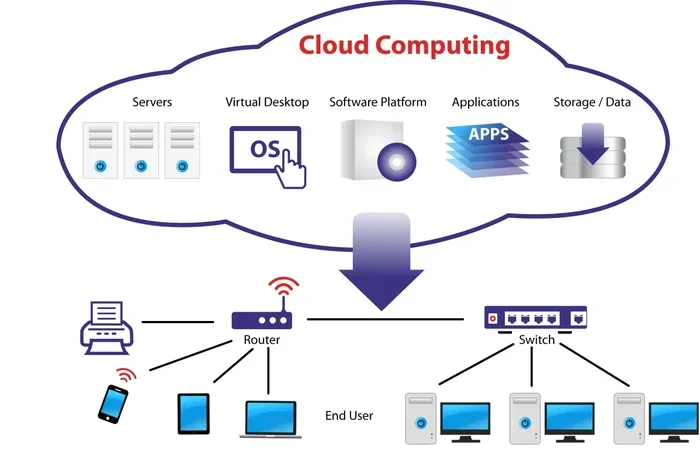
Cloud computing has changed the way businesses run. Companies no longer need massive servers in their offices. They use cloud services to store data, run apps, and manage entire operations online. This shift has created thousands of new jobs.
If you want to land one of those jobs, a good cloud computing course with placement can be your golden ticket. These programs teach you real skills and help you find a job after you finish. Sounds great, right? Let us dive into everything you need to know.
The cloud computing career path is one of the fastest-growing in tech. From small startups to big corporations, every company needs cloud experts. Whether you want to become a cloud engineer, cloud architect, or DevOps specialist, the demand is huge. And the best part? You do not need a four-year degree to get started.
Key Takeaways
- Placement support matters: The best cloud computing courses with placement include career coaching, resume help, and interview prep.
- Top platforms dominate: AWS, Microsoft Azure, and Google Cloud are the most in-demand cloud services employers look for.
- Certifications boost your resume: Earning a cloud computing certification proves your skills to hiring managers.
- Salaries are competitive: Cloud computing jobs pay well above average IT salaries, especially for certified professionals.
- No degree required: Many cloud computing career paths are open to self-taught professionals with the right training.
- Hands-on practice is essential: Real-world projects and labs make you job-ready faster than theory alone.
- Start today: The cloud computing job market is growing fast, so early action gives you a big advantage.
📑 Table of Contents
- What Are Cloud Computing Courses with Placement?
- Why Choose Cloud Computing as a Career?
- Top Cloud Computing Courses with Placement
- What Skills Do Employers Look For?
- How Placement Support Works in Cloud Courses
- Cloud Computing Salary and Job Outlook
- Common Mistakes to Avoid
- Expert Insights on Breaking into Cloud Computing
- How to Choose the Right Cloud Computing Course
- Conclusion
What Are Cloud Computing Courses with Placement?
A cloud computing course with placement is a training program that teaches you cloud technology and helps you find a job afterward. These courses cover everything from basics to advanced topics. They also include placement assistance like resume reviews, mock interviews, and job connections.
Think of it as a two-for-one deal. You learn a valuable skill, and the course helps you use it to get hired. That is a huge advantage over regular online classes where you are left figuring things out on your own.
What Do These Courses Cover?
Most cloud computing training programs include these core topics:
- Cloud fundamentals — How cloud computing works and why businesses use it.
- Virtualization — Creating virtual versions of servers and storage.
- Cloud deployment — Setting up and managing cloud environments.
- Cloud security — Protecting data and systems in the cloud.
- Hands-on labs — Real practice using actual cloud platforms.
- Certification prep — Getting ready for exams like AWS or Azure certifications.
Why Choose Cloud Computing as a Career?
The cloud computing job market is booming. Companies of all sizes are moving to the cloud. This means they need skilled professionals who can manage, secure, and optimize their cloud systems.
Here are some reasons why cloud computing career growth is so strong:
- High demand: Every industry needs cloud experts — healthcare, finance, retail, and more.
- Great pay: Cloud computing salary ranges are well above average for IT roles.
- Job security: As long as businesses use the cloud, they will need cloud professionals.
- Flexible work: Many cloud roles offer remote work options.
- Clear growth path: You can move from junior roles to senior positions like cloud architect or cloud engineering manager.
Cloud Computing Career Growth Path
A typical cloud computing career path looks something like this:
- Entry Level: Cloud Support Associate or Junior Cloud Engineer
- Mid Level: Cloud Engineer or Cloud Administrator
- Senior Level: Senior Cloud Engineer or DevOps Engineer
- Leadership: Cloud Architect or Cloud Solutions Manager
Each step up brings higher pay and more responsibility. With the right cloud computing certification, you can skip ahead faster than you think.
Top Cloud Computing Courses with Placement
Not all courses are created equal. Here are some of the best options for cloud computing courses with placement in 2024:
AWS Training Programs
Amazon Web Services (AWS) is the largest cloud platform in the world. AWS training programs are incredibly popular and widely respected. Many courses include placement support and focus on the AWS Certified Cloud Practitioner or Solutions Architect exams.
AWS skills open doors to roles like:
- Cloud Engineer
- AWS Solutions Architect
- DevOps Engineer
- Cloud Security Specialist
Microsoft Azure Courses
Microsoft Azure is the second biggest cloud platform. Microsoft Azure courses are ideal if you want to work in enterprise environments. Many large companies use Azure for their cloud needs, so Azure-trained professionals are always in demand.
Popular Azure certifications include:
- AZ-900: Azure Fundamentals
- AZ-104: Azure Administrator
- AZ-305: Azure Solutions Architect
Google Cloud Certification Programs
Google Cloud Platform (GCP) is growing fast. Google Cloud certification programs teach you how to use GCP services effectively. These courses are great if you want to work with data-heavy applications or machine learning in the cloud.
Online Cloud Courses with Job Guarantees
Some platforms offer online cloud courses with a placement guarantee. This means if you do not get a job within a set timeframe, they help you further or refund your money. Look for programs that partner with hiring companies and offer real project experience.
What Skills Do Employers Look For?
When you apply for cloud engineer jobs, employers want to see specific cloud computing skills. Here is what matters most:
Technical Skills
- Proficiency in at least one major cloud platform (AWS, Azure, or GCP)
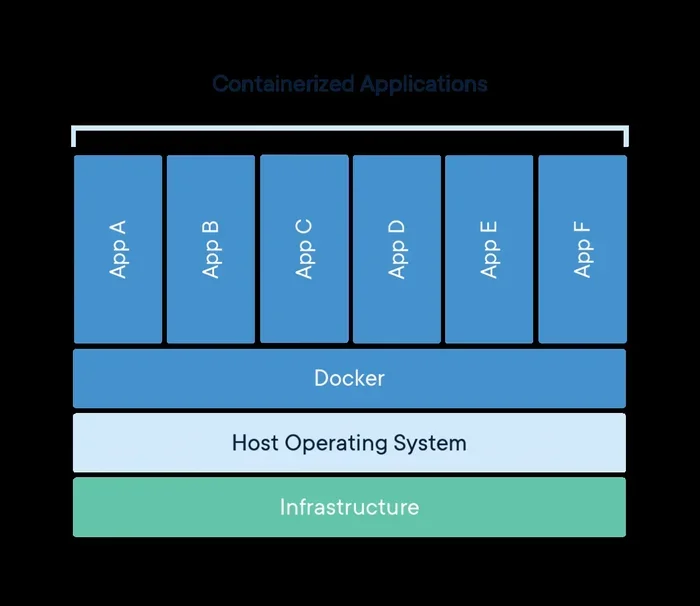
- Understanding of virtualization and containerization (Docker, Kubernetes)
- Knowledge of networking and database management
- Experience with cloud deployment and automation tools
- Basic scripting skills (Python, Bash, or PowerShell)
Soft Skills
- Problem-solving and critical thinking
- Clear communication with non-technical teams
- Ability to work under pressure and meet deadlines
- Team collaboration and adaptability
The best cloud computing courses with placement focus on building both sets of skills. They know employers want well-rounded candidates, not just technical experts.
How Placement Support Works in Cloud Courses
Placement support is what sets these courses apart from regular online classes. Here is how it typically works:
- Resume Building: Experts help you create a resume that highlights your cloud computing certification and hands-on projects.
- Mock Interviews: You practice answering real interview questions with industry professionals.
- Job Matching: The course partners with companies looking for entry-level cloud talent.
- Portfolio Projects: You build real-world projects that showcase your cloud computing skills.
- Career Coaching: Mentors guide you through the job search process and help you make smart career decisions.
Quick Tips to Maximize Placement Success
- Complete every lab and project in the course.
- Build a GitHub portfolio with your cloud projects.
- Prepare for at least one major certification exam.
- Network with instructors and alumni on LinkedIn.
- Practice mock interviews at least twice before applying.
Cloud Computing Salary and Job Outlook
One of the biggest draws of a cloud computing career is the pay. Cloud computing salary figures are impressive, especially for certified professionals.
| Role | Entry Level Salary | Senior Level Salary |
|---|---|---|
| Cloud Engineer | $65,000 – $85,000 | $110,000 – $150,000 |
| Cloud Architect | $100,000 – $130,000 | $150,000 – $200,000+ |
| DevOps Engineer | $75,000 – $95,000 | $120,000 – $170,000 |
| Cloud Security Specialist | $70,000 – $90,000 | $110,000 – $160,000 |
These numbers vary by location, experience, and certification. But one thing is clear — cloud jobs pay well and keep growing. The cloud computing job market is expected to expand significantly over the next decade.
Common Mistakes to Avoid
Many people make avoidable mistakes when starting their cloud computing career. Here are the biggest ones:
Skipping Hands-On Practice
Watching videos is not enough. You need to actually build things in the cloud. Free tiers from AWS, Azure, and Google Cloud let you practice without spending money.
Focusing on Only One Platform
While specializing is good, knowing at least two platforms makes you more versatile. Many employers value multi-cloud skills.
Ignoring Certifications
A cloud computing certification proves your knowledge to employers. Skip it, and you may lose out on great opportunities.
Not Building a Portfolio
Hiring managers want to see what you have built. Create projects, document them, and share them on GitHub or your personal site.
Waiting for the Perfect Course
There is no perfect course. Start one that fits your goals and budget, and adjust as you learn more.
Expert Insights on Breaking into Cloud Computing
We spoke with several hiring managers in the cloud space. Here is what they said about finding the right candidates:
“We look for people who can do, not just people who know. Hands-on experience with cloud deployment and real projects matter more than a fancy degree.”
— Senior HR Manager, Tech Company
“A cloud computing certification from AWS or Azure is a strong signal. It tells us the candidate has put in the effort to learn and prove their skills.”
— Cloud Recruiter, Global IT Firm
The message is clear. Show what you can do, get certified, and demonstrate real-world skills. That is the formula for landing a great cloud computing job.
How to Choose the Right Cloud Computing Course
With so many options out there, how do you pick the best one? Here are some tips:
- Check placement records: Ask the course what percentage of graduates get placed.
- Look for hands-on labs: Theory is important, but practice is what gets you hired.
- Verify certification coverage: Make sure the course prepares you for recognized exams.
- Read reviews: Check what past students say about their experience and placement support.
- Compare costs: More expensive does not always mean better. Focus on value and outcomes.
- Check the syllabus: Ensure it covers the cloud computing skills employers are looking for right now.
The best cloud computing courses with placement give you a clear path from learning to earning. Do your homework, pick wisely, and commit fully.
Conclusion
The cloud computing career opportunity is real, growing, and incredibly rewarding. With the right cloud computing course with placement, you can go from zero experience to a well-paying job in months. The key is to choose a program that teaches real skills, provides hands-on practice, and offers strong placement support.
Do not wait for the perfect moment. Start learning today, earn your cloud computing certification, and take the first step toward a brighter future. The cloud is here to stay, and the professionals who master it will be in demand for years to come.
Whether you are a recent graduate, a career changer, or someone looking to level up, now is the best time to invest in cloud computing training. Your future self will thank you.
Frequently Asked Questions
What is the best cloud computing course with placement for beginners?
AWS-based training programs are often the best starting point for beginners. They have the largest market share and the most job openings. Look for courses that include hands-on labs, certification prep, and guaranteed placement support to get the most value.
How long does it take to complete a cloud computing course with placement?
Most programs take between 3 to 6 months to complete. Intensive bootcamps can be finished in 8 to 12 weeks. The timeline depends on your schedule, the course depth, and how much time you dedicate to hands-on practice each week.
Do I need a degree to get a cloud computing job?
No, you do not need a traditional degree. Many employers value cloud computing certification and practical skills over formal education. A strong portfolio and relevant cloud computing training can open doors just as effectively as a degree.
What is the average cloud computing salary after completing a course?
Entry-level cloud roles typically pay between $65,000 and $90,000 per year. With a few years of experience and additional certifications, salaries can easily exceed $120,000. Your cloud computing salary will depend on your skills, location, and the specific role you pursue.
Are online cloud courses with placement really effective?
Yes, they can be very effective if you choose a reputable program. Look for courses with proven placement records, real-world projects, and strong industry partnerships. Your success also depends on how much effort you put into learning and practicing.
Which cloud platform should I focus on first?
AWS is the most popular and has the most job openings, making it a great first choice. Microsoft Azure is a close second, especially if you want to work in enterprise settings. Google Cloud is excellent for data and machine learning roles. You can always learn additional platforms later to broaden your options.