how is cloud computing changing business right now
Cloud computing is reshaping how companies work, save money, and grow fast. From small startups to big corporations, businesses use cloud services to stay competitive. This guide breaks down the real ways cloud computing is transforming business operations today.
The way companies run their business operations has changed a lot in just a few years. The biggest driver of this shift? Cloud computing. If you have been wondering how is cloud computing changing business, you are in the right place. This technology is not just a trend. It is a complete game-changer for companies of all sizes.
Today, more than 90% of businesses use some form of cloud services. They use them for everything from storing files to running entire company systems. The days of relying only on big office servers and IT infrastructure are fading fast. Let us dive into the real ways this technology is reshaping the business world.
Key Takeaways
- Lower Costs: Cloud computing cuts IT spending and removes the need for expensive hardware.
- Remote Work Boost: Teams access files and tools from anywhere with an internet connection.
- Scalability On Demand: Businesses grow or shrink their cloud resources in minutes.
- Better Security: Top cloud providers invest heavily in cloud security and data protection.
- Faster Innovation: Cloud-based tools let companies launch new products and services quickly.
- Disaster Recovery: Cloud backup keeps data safe even during outages or emergencies.
- Competitive Edge: Companies using cloud platforms outperform those stuck on old systems.
📑 Table of Contents
- What Is Cloud Computing and Why It Matters for Business
- How Cloud Computing Cuts Costs for Businesses
- Remote Work and Cloud Computing: A Perfect Match
- Scalability: Growing Your Business Without Limits
- Cloud Security and Data Protection
- Cloud Computing and Digital Transformation
- The Future of Cloud Computing in Business
- Final Thoughts
What Is Cloud Computing and Why It Matters for Business
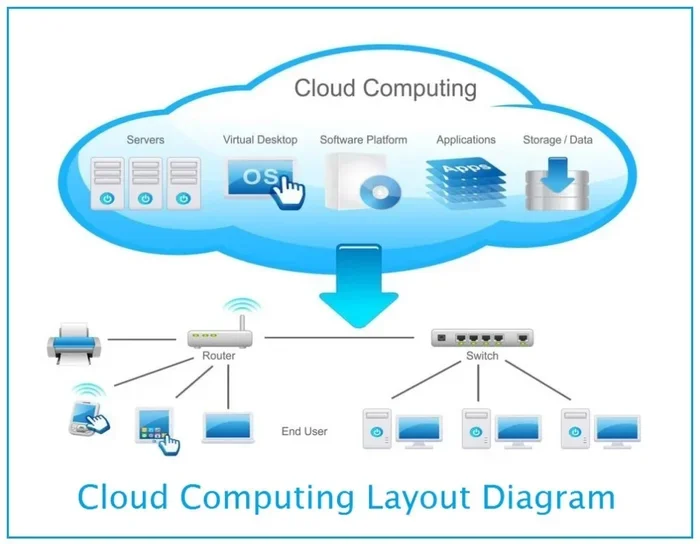
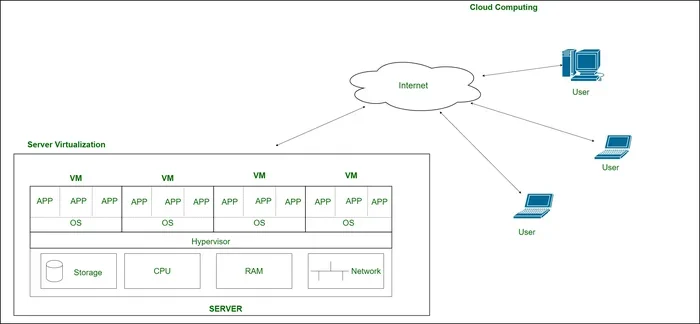
Cloud computing means using remote servers on the internet to store, manage, and process data. Instead of keeping everything on your own computers or servers, you access it online. Think of it like renting a storage unit instead of building a new warehouse.
This approach has become essential for modern business operations. Companies no longer need to buy expensive hardware or hire large IT teams just to keep systems running. They simply pay for what they use. This model is called Software as a Service, or SaaS, and it has exploded in popularity.
For many companies, cloud adoption started with simple tools like email or file sharing. But today, it goes much deeper. Businesses run their entire customer relationship systems, accounting software, and even artificial intelligence tools through the cloud. The flexibility is incredible.
How Cloud Computing Cuts Costs for Businesses
One of the biggest reasons companies switch to the cloud is cost savings. Running your own servers and data centers costs a fortune. You need to buy the equipment, pay for electricity, cool the rooms, and hire staff to maintain everything.
With cloud platforms, those costs disappear. You pay a monthly fee based on what you use. If your business needs grow, you scale up. If they shrink, you scale down. No wasted money. No wasted space.
Real-World Cost Savings Examples
Many companies have saved millions by moving to the cloud. A small marketing agency, for example, might have spent $50,000 a year on its own servers. After switching to cloud services, that same agency pays $5,000 a year for the same or better capabilities.
Here is what cost savings with cloud computing looks like for most businesses:
- No hardware purchases: You do not need to buy servers or storage devices.
- Lower energy bills: Cloud providers handle all the power and cooling.
- Reduced IT staff costs: The provider manages maintenance and updates.
- Pay-as-you-go pricing: You only pay for the resources you actually use.
- Fewer outages: Cloud providers offer uptime guarantees that local servers cannot match.
The operational efficiency gains are huge. Companies redirect the money they save into growth, hiring, and new products. That is a smart move for any business.
Remote Work and Cloud Computing: A Perfect Match
The pandemic changed how we think about work forever. Remote work is now a normal part of business life, and cloud computing made it possible. Without the cloud, millions of people would not have been able to work from home during lockdowns.
Today, teams spread across cities, countries, and even continents. They collaborate in real time using cloud-based tools. Documents live in shared drives. Video calls happen over the internet. Project management software runs in the browser. None of this would work without cloud technology.
Tools That Power Remote Teams
Many popular tools businesses use every day are powered by the cloud:
- Google Workspace and Microsoft 365 for document creation and sharing
- Slack and Microsoft Teams for team communication
- Zoom and Webex for video conferencing
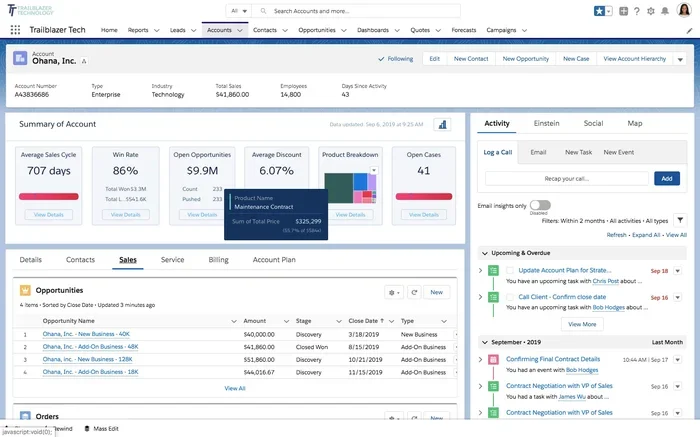
- Salesforce and HubSpot for customer management
- GitHub and GitLab for software development teams
These tools give business agility like never before. A team in New York can work on the same file as a team in Tokyo, in real time. There are no delays. No version conflicts. No need to email huge attachments back and forth.
Business productivity has soared because of this. Employees can work when and where they are most productive. Companies can hire the best talent from anywhere in the world. This opens up opportunities that simply did not exist before cloud technology.
Scalability: Growing Your Business Without Limits
One of the most powerful benefits of cloud computing is scalability. Traditional IT systems are rigid. If your business grows fast, you need to buy more servers, install more software, and expand your IT infrastructure. This takes weeks or even months.
With the cloud, scaling happens in minutes. Need more storage space? Click a button. Need more computing power? Adjust your plan. Need fewer resources during a slow season? Downgrade and save money.
This flexibility is perfect for businesses that experience seasonal spikes. An online retailer, for example, might need extra server power during the holiday shopping season. After the holidays, they scale back down. They only pay for what they need, when they need it.
Cloud migration allows companies to start small and grow without limits. A startup with just five people can use the same cloud platforms as a company with 5,000 employees. The technology scales with them. This levels the playing field and gives small businesses a real advantage.
Cloud Security and Data Protection
Many business owners worry about cloud security. They think keeping data on their own servers is safer. But the truth is quite different. Top cloud providers invest billions of dollars in security every year. They hire the best experts and use cutting-edge technology to protect data.
Most companies would never be able to afford that level of protection on their own. When you use cloud services, you get enterprise-grade security as part of your subscription. This includes encryption, multi-factor authentication, and regular security updates.
Security Features You Get with Cloud Computing
- Data encryption: Your files are scrambled so only authorized users can read them.
- Automatic backups: Data is copied across multiple locations so nothing gets lost.
- Disaster recovery: If something goes wrong, your data is safe and easy to restore.
- Compliance certifications: Cloud providers meet strict industry standards like GDPR and HIPAA.
- 24/7 monitoring: Security teams watch for threats around the clock.
The digital transformation that cloud computing enables would not be possible without strong security. Companies feel confident moving sensitive data to the cloud because the protection is better than what most could build themselves.
Cloud Computing and Digital Transformation
Digital transformation means using technology to completely change how a business operates and delivers value to customers. Cloud computing is the foundation of this transformation. Without it, companies would struggle to modernize their processes and stay competitive.
Many businesses are adopting a hybrid cloud approach. This means they use a mix of private servers and public cloud services. Sensitive data stays on private servers while everyday operations run in the cloud. This gives companies the best of both worlds.
How Digital Transformation Looks in Practice
Let us look at a few real examples of how cloud computing drives digital transformation:
- A local restaurant starts using a cloud-based point-of-sale system. Orders go straight to the kitchen. Sales data gets analyzed automatically. The owner can check performance from their phone.
- A healthcare clinic moves patient records to a secure cloud system. Doctors can access files from any room. Appointments are managed online. Wait times drop significantly.
- A manufacturing company uses cloud-based sensors to monitor equipment. Problems are caught early before they cause costly breakdowns. Maintenance becomes predictive instead of reactive.
These examples show that cloud adoption is not just for tech companies. Every industry benefits from the power of the cloud. The key is to start small and build up over time.
The Future of Cloud Computing in Business
How is cloud computing changing business going forward? The trends point to even bigger changes ahead. Companies are already exploring artificial intelligence, machine learning, and the Internet of Things through the cloud. These technologies need massive computing power, and the cloud delivers it.
Edge computing is another exciting development. It brings data processing closer to where it is needed, reducing delays and improving speed. This matters for things like self-driving cars, smart factories, and real-time analytics.
As cloud platforms continue to evolve, businesses will find even more ways to innovate. The companies that embrace these changes will lead their industries. Those that resist risk falling behind.
Cloud migration is no longer optional for most businesses. It is a necessity. The question is not whether to move to the cloud, but how fast and how smart you can do it. Companies that act now will have a clear competitive edge over those that wait.
Quick Tips for Getting Started with Cloud Computing
- Start small: Pick one area of your business to move to the cloud first.
- Evaluate providers: Compare features, pricing, and security of different cloud services.
- Train your team: Make sure employees know how to use new cloud-based tools effectively.
- Set a budget: Cloud costs can add up, so monitor your usage regularly.
- Focus on security: Use strong passwords and multi-factor authentication for all cloud accounts.
Common Mistakes to Avoid
- Skipping the research: Not all cloud providers are the same. Compare options carefully.
- Ignoring training: Tools are only useful if your team knows how to use them.
- Overlooking costs: Monitor your usage to avoid surprise bills at the end of the month.
- Neglecting backups: Even with cloud storage, keep a backup plan in place.
- Rushing migration: Plan your cloud migration step by step to avoid disruptions.
Final Thoughts
Cloud computing is not slowing down. It is accelerating every area of modern business. From cost savings and remote work to scalability and digital transformation, the benefits are clear and powerful. Companies that understand this and act on it will thrive in the years ahead.
If you are still wondering how is cloud computing changing business, the answer is simple: it is changing everything. The businesses that embrace cloud services today are building a stronger, faster, and more flexible future. The time to start your cloud journey is now.
Frequently Asked Questions
What is cloud computing in simple terms?
Cloud computing means using remote servers on the internet to store and manage data instead of your own computer or local servers. You access everything online through a browser or app. It is like renting technology instead of buying it outright.
How does cloud computing save businesses money?
Cloud computing removes the need for expensive hardware, big server rooms, and large IT teams. Companies pay a monthly fee based on what they use. This pay-as-you-go model eliminates waste and keeps costs predictable and low.
Is cloud computing safe for sensitive business data?
Yes, most cloud providers offer better security than what individual companies can build themselves. They use encryption, automatic backups, and 24/7 monitoring. Major providers also meet strict compliance standards like GDPR and HIPAA.
Can small businesses benefit from cloud computing?
Absolutely. Small businesses benefit just as much as large ones. Cloud services level the playing field by giving small companies access to powerful tools without big upfront costs. A small business can scale up as it grows without investing in expensive equipment.
What is the difference between cloud computing and traditional IT?
Traditional IT requires buying and maintaining your own servers and hardware. Cloud computing lets you rent those resources online. The cloud provider handles all maintenance, updates, and security. This gives businesses more flexibility and lower costs.
How long does a cloud migration take?
The timeline depends on the size and complexity of your business. A small company might migrate in a few weeks. A large enterprise could take several months. The key is to plan carefully, migrate in stages, and train your team along the way.
=== CONCLUSION ===
Cloud computing has completely changed the way businesses operate, compete, and grow. The cost savings, scalability, and flexibility it offers are hard to ignore. Whether you run a small startup or a large corporation, the cloud gives you the tools to work smarter and faster.
The shift toward remote work, digital transformation, and cloud-based tools is only getting stronger. Companies that embrace cloud services today are setting themselves up for long-term success. The ones that wait risk falling behind their competitors.
Start exploring your cloud options today. Even small steps can lead to big changes. Cloud computing is here to stay, and it is changing business right now.