The Complete Guide to Cloud Computing Network Architecture
Cloud computing network architecture is the blueprint that connects servers, data centers, and users across the cloud. This guide covers cloud networking components, types, and best practices you need to know. Whether you are a beginner or a pro, you will find practical tips and clear explanations to level up your network infrastructure skills.
Have you ever wondered how all those cloud apps actually work behind the scenes? The answer lies in cloud computing network architecture. It is the invisible framework that makes sure data travels smoothly from your device to servers and back again. Without it, every cloud service you use would simply not exist.
In this guide, we break down everything you need to know about cloud networking. We will walk through the core components, different types of setups, and real-world benefits. You will also learn practical tips and common mistakes to avoid. By the end, you will have a solid understanding of how modern network infrastructure powers the cloud.
Key Takeaways
- Cloud computing network architecture forms the backbone of all modern cloud services and operations.
- Virtualization and software-defined networking are the core technologies driving flexible cloud networks.
- Hybrid cloud and multi-cloud setups are growing fast in enterprise environments.
- Network security, load balancing, and bandwidth management are essential for performance.
- Cloud migration success depends heavily on how well you plan your network topology.
- Edge computing is changing the way data flows in cloud networking setups.
- Following best practices helps you avoid common pitfalls and build scalable networks.
📑 Table of Contents
What Is Cloud Computing Network Architecture?
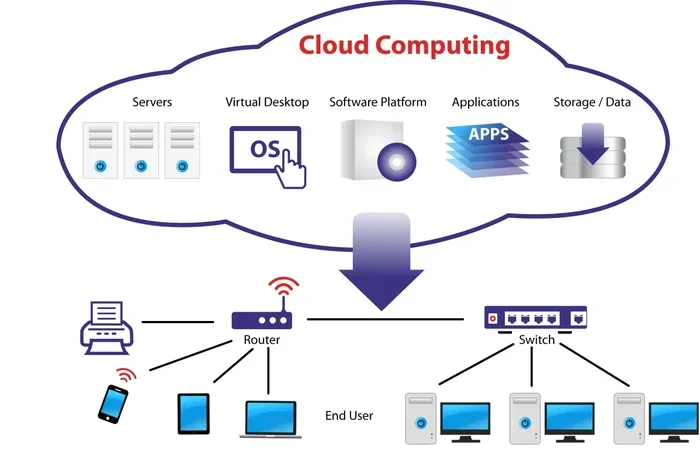
Cloud computing network architecture refers to the design and layout of a cloud network. It includes all the hardware, software, and connections that work together to deliver cloud services. Think of it like a city road map. Just as roads connect homes, shops, and offices, a cloud network connects servers, data centers, and users.
This network architecture determines how fast data moves, how secure it stays, and how well the system scales. A well-designed setup ensures low network latency and smooth performance. A poorly designed one leads to slow speeds, outages, and security risks.
Why Does It Matter?
Almost every business today relies on the cloud. From email to big data analytics, cloud deployment models handle it all. If the underlying network infrastructure is weak, everything built on top of it suffers. That is why understanding this architecture is so important.
Good cloud networking also supports cloud migration. When companies move their systems to the cloud, they need a reliable network plan. Without one, the transition can be messy and costly. A strong architecture makes migration smoother and faster.
Key Components of Cloud Network Architecture
Every cloud computing network architecture has several building blocks. Each one plays a specific role in keeping the network running. Let us look at the most important ones.
Virtualization
Virtualization is the foundation of cloud networks. It creates virtual versions of physical resources like servers, storage, and networks. This allows multiple virtual machines to run on a single physical machine. It saves money and makes network infrastructure more flexible.
With virtualization, companies can quickly scale up or down. They do not need to buy new hardware every time demand changes. This is one of the biggest advantages of cloud architecture.
Software-Defined Networking
Software-defined networking, or SDN, is a game changer. It separates the network control plane from the hardware. This means network managers can control traffic using software instead of manually configuring each device.
SDN makes cloud networking much more agile. Teams can adjust rules, prioritize traffic, and respond to threats faster. It is a key part of modern network topology designs.
Load Balancing
Load balancing spreads traffic across multiple servers. This prevents any single server from getting overwhelmed. It keeps network latency low and improves user experience.
Most cloud platforms include built-in load balancers. They automatically detect when a server goes down and reroute traffic. This makes cloud services more reliable and available around the clock.
Firewalls and Security Tools
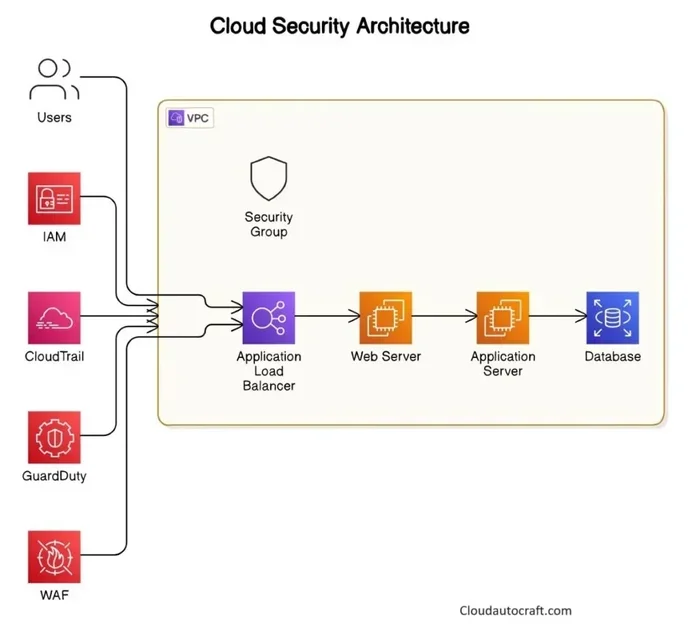
Network security is a top priority in any cloud computing network architecture. Firewalls monitor incoming and outgoing traffic. They block unauthorized access and protect sensitive data.
Modern firewall configuration tools go beyond basic filtering. They use AI and machine learning to detect threats in real time. Combined with network monitoring, they form a strong defense against cyber attacks.
Data Centers and Edge Nodes
Data centers house the physical servers that power the cloud. They are carefully designed for cooling, power efficiency, and redundancy. Edge computing brings processing closer to users by placing small nodes at the network edge.
This reduces network latency significantly. It is especially useful for apps that need real-time responses, like video streaming and online gaming.
Types of Cloud Network Architecture
Not all cloud networking setups are the same. Different organizations need different approaches. Here are the main types of cloud deployment models and how they shape the network.
Public Cloud Architecture
In a public cloud, resources are shared among many users. Providers like AWS, Google Cloud, and Microsoft Azure own the network infrastructure. Users access services over the internet.
This model is cost-effective and easy to scale. It works well for startups and small businesses. However, it may not meet strict compliance needs for some industries.
Private Cloud Architecture
A private cloud is dedicated to a single organization. The network infrastructure is owned and managed internally or by a third party. It offers more control and stronger security.
Companies in finance or healthcare often prefer this model. The trade-off is higher cost and less flexibility compared to public clouds.
Hybrid Cloud Architecture
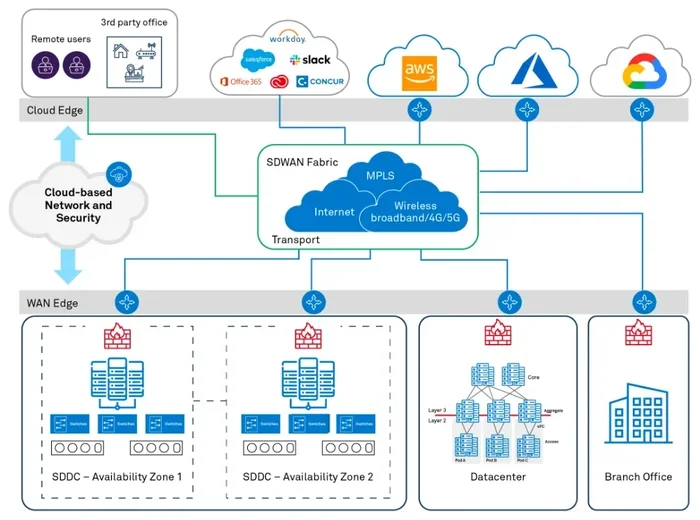
Hybrid cloud combines public and private clouds. It lets organizations keep sensitive data on private servers while using public cloud resources for less critical tasks. This setup is growing in popularity.
Hybrid cloud networks require careful planning. Data must flow seamlessly between environments. Network monitoring and bandwidth management become even more important in this setup.
Multi-Cloud Architecture
Multi-cloud means using services from multiple cloud providers. A company might use AWS for storage and Google Cloud for analytics. This approach avoids vendor lock-in and improves redundancy.
Managing a multi-cloud network is complex. It requires strong network topology planning and unified network monitoring tools. But the benefits in flexibility and resilience are significant.
Benefits of Cloud Computing Network Architecture
Why are so many organizations shifting to cloud networking? The benefits are clear and compelling.
Scalability
Cloud architecture scales up or down based on demand. During peak times, the network handles more traffic automatically. During quiet times, it scales back to save resources. This flexibility is hard to match with traditional setups.
Cost Efficiency
With cloud computing network architecture, you pay only for what you use. There is no need to invest in expensive on-premise hardware. Bandwidth management tools also help optimize spending by reducing waste.
Improved Reliability
Cloud providers build redundancy into their network infrastructure. If one server fails, another takes over instantly. This means less downtime and better uptime for your applications.
Faster Cloud Migration
A well-planned network topology makes cloud migration much easier. Teams can move workloads to the cloud in phases. This reduces risk and minimizes disruption to daily operations.
Enhanced Security
Modern cloud networking platforms offer advanced network security features. Encryption, identity access management, and threat detection are built in. Regular network monitoring helps catch issues before they become problems.
Best Practices for Designing Cloud Networks
Building a strong cloud computing network architecture takes careful planning. Here are some best practices that experts recommend.
Start With a Clear Network Topology Plan
Before setting up any network infrastructure, map out your network topology. Know where data flows, which services connect to which, and where bottlenecks might occur. A clear plan saves time and money later.
Prioritize Network Security From Day One
Do not wait until a breach happens to think about network security. Build security into your cloud architecture from the start. Use strong firewall configuration, encrypt data in transit, and set up access controls.
Monitor Performance Continuously
Network monitoring is essential for keeping cloud networking healthy. Use tools that track network latency, bandwidth usage, and server health. Alerts help you catch problems before users even notice them.
Optimize Bandwidth Management
Not all traffic is equal. Use bandwidth management to prioritize critical applications. This ensures that important tasks get the resources they need, even during traffic spikes.
Plan for Growth
Your network infrastructure should grow with your business. Design your cloud architecture with scalability in mind. Leave room for new services, more users, and increased data volumes.
Test Before You Migrate
If you are doing cloud migration, test everything first. Run small-scale trials to identify issues. This helps you refine your network topology and avoid costly mistakes during the full rollout.
Common Challenges and How to Solve Them
Even the best cloud computing network architecture faces challenges. Here are some common ones and how to handle them.
Network Latency Issues
Network latency can slow down applications and frustrate users. To fix this, use edge computing to bring data closer to users. Also, optimize your network topology to reduce the number of hops data must travel.
Security Vulnerabilities
Cloud networks can be exposed to attacks if not properly secured. Regular firewall configuration updates and strong network monitoring help close gaps. Training your team on security best practices is equally important.
Complexity in Multi-Cloud Setups
Managing a multi-cloud environment can get overwhelming. Use unified management tools that give you a single view of all your network infrastructure. This simplifies bandwidth management and makes troubleshooting faster.
Cost Overruns
Cloud costs can spiral if you are not careful. Monitor your usage closely. Use bandwidth management to eliminate waste. Set up budget alerts so you are never surprised by your bill.
Vendor Lock-In
Relying too heavily on one provider can create problems. A hybrid cloud or multi-cloud approach gives you more freedom. It also gives you leverage when negotiating with providers.
Poor Scalability Planning
If your network infrastructure cannot handle growth, you will face bottlenecks. Always design with scalability in mind. Use software-defined networking tools that make it easy to adjust capacity on the fly.
Conclusion
Cloud computing network architecture is the foundation of every successful cloud strategy. It connects users, data, and services in a fast, secure, and scalable way. From virtualization and software-defined networking to load balancing and network security, every component plays a vital role.
Whether you are exploring hybrid cloud or multi-cloud setups, the principles remain the same. Plan your network topology carefully. Prioritize security. Monitor performance. And always design for growth.
The world of cloud networking is evolving fast. New technologies like edge computing are reshaping how data moves. By staying informed and following best practices, you can build a network infrastructure that supports your goals for years to come.
Start small, test often, and never stop learning. A strong cloud computing network architecture is not just a technical setup. It is a strategic advantage that can transform how your business operates.
Frequently Asked Questions
What is cloud computing network architecture?
Cloud computing network architecture is the design and structure of a cloud network. It includes all the hardware, software, and connections that deliver cloud services. It determines how data flows between users, servers, and data centers.
Why is network architecture important in cloud computing?
A well-designed network architecture ensures fast, secure, and reliable cloud services. It affects network latency, scalability, and overall performance. Poor architecture leads to slow speeds, outages, and security risks.
What are the main types of cloud network architecture?
The main types are public cloud, private cloud, hybrid cloud, and multi-cloud. Each type uses a different network topology and serves different business needs. Public clouds are shared, private clouds are dedicated, and hybrid or multi-cloud setups combine both.
What skills are needed for cloud network architecture?
You need knowledge of virtualization, software-defined networking, network security, and bandwidth management. Familiarity with cloud deployment models and network monitoring tools is also essential. Many professionals start with certifications like AWS or Azure networking tracks.
How does edge computing fit into cloud network architecture?
Edge computing places processing power closer to users. This reduces network latency and improves response times. It is becoming a key part of modern cloud networking, especially for real-time applications like streaming and IoT devices.
What are the biggest mistakes to avoid in cloud network design?
Common mistakes include poor network topology planning, ignoring security, and not monitoring performance. Overlooking bandwidth management can lead to cost overruns. Always test your setup and plan for growth before going live.
=== SEO TITLE ===
The Complete Guide to Cloud Computing Network Architecture
=== META TITLE ===
Cloud Computing Network Architecture: The Complete Guide
=== URL SLUG ===
cloud-computing-network-architecture