Understanding the Basic Concept of Cloud Computing
The basic concept of cloud computing refers to accessing computing resources like storage, software, and servers over the internet rather than on your local device. Cloud services operate on a pay-as-you-go model, meaning you only pay for what you use. This approach offers unmatched scalability, cost savings, and flexibility for both individuals and businesses.
The basic concept of cloud computing has reshaped the way we live and work. Just a decade ago, storing files meant saving them to a hard drive. Running software required installing programs on your computer. Today, almost everything happens online. Cloud services power your favorite apps, store your photos, and even run entire businesses. This shift is not just a trend. It is a fundamental change in how we think about technology. In this article, we will break down the basic concept of cloud computing in the simplest way possible. You do not need to be a tech expert to understand it.
Whether you are a student, a business owner, or just someone curious about technology, this guide is for you. We will explore what cloud computing really means, how it works behind the scenes, and why it matters so much today. We will also look at the different types of cloud services, deployment models, and real-world examples you encounter every single day. By the time you finish reading, the basic concept of cloud computing will feel second nature to you. Let us dive in.
Key Takeaways
- Cloud computing lets you access resources over the internet: No need for expensive hardware or local storage.
- There are three main service models: SaaS, PaaS, and IaaS serve different needs.
- Deployment models include public, private, and hybrid clouds: Each offers different levels of control and security.
- Cost savings and scalability are top benefits: Cloud infrastructure grows with your needs.
- You already use cloud services daily: From Google Drive to Netflix, cloud technology is everywhere.
- Understanding the basics helps you make better tech decisions: Whether for personal use or business growth.
📑 Table of Contents
- What Is the Basic Concept of Cloud Computing?
- How Cloud Computing Works Behind the Scenes
- The Three Main Types of Cloud Computing Services
- Cloud Deployment Models Explained
- Key Benefits of Cloud Computing
- Everyday Examples of Cloud Computing You Already Use
- Common Mistakes People Make with Cloud Computing
- Final Thoughts
What Is the Basic Concept of Cloud Computing?
The Simple Definition
The basic concept of cloud computing is straightforward. Instead of running programs or storing files on your own computer, you use powerful remote servers connected through the internet. These servers are housed in massive data centers around the world. When you upload a photo to Google Photos or edit a document in Google Docs, you are using cloud computing. The cloud is simply a network of servers that do the heavy lifting for you.
Think of it like renting electricity instead of building your own power plant. You do not need to understand how the grid works. You just plug in and use what you need. That is exactly how cloud technology works. You access computing resources on demand, and someone else manages the complex cloud infrastructure behind the scenes.
Why the Basic Concept of Cloud Computing Matters Today
Understanding the basic concept of cloud computing is more important than ever. Almost every modern app and service relies on it. Businesses use cloud services to reach customers worldwide. Schools use cloud storage to share materials with students. Even hospitals rely on cloud hosting to store patient records securely. The basic concept of cloud computing has become the foundation of our digital world.
Here is why it matters so much:
- It removes the need for expensive hardware. You do not need a supercomputer to run powerful software.
- It enables remote work. Teams can collaborate from anywhere in the world using cloud technology.
- It supports growth. Scalability means you can start small and expand without buying new equipment.
- It improves disaster recovery. Your data stays safe even if your local device breaks or is lost.
How Cloud Computing Works Behind the Scenes
The Role of Remote Servers
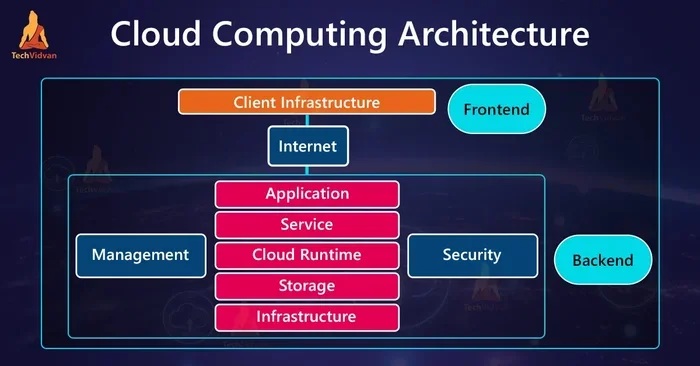
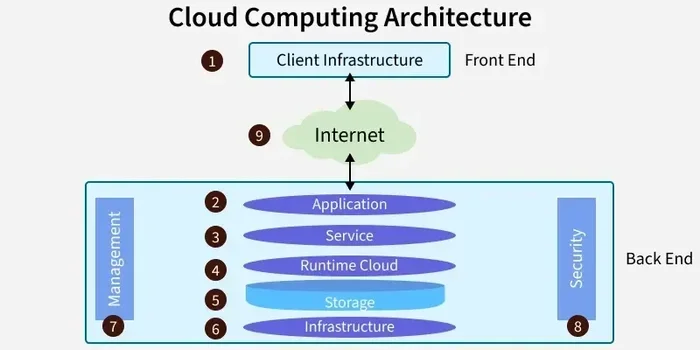
At the heart of the basic concept of cloud computing are remote servers. These are powerful computers stored in data centers. When you send a request, like opening a website or saving a file, the request travels over the internet to one of these servers. The server processes your request and sends the result back to you. All of this happens in seconds.
You might wonder, where are these servers? They are in huge facilities around the globe. Companies like Amazon, Google, and Microsoft operate thousands of data centers. Each one contains millions of servers working together. This massive network is what makes cloud computing possible. When you use a cloud provider, you are tapping into this enormous shared network.
Virtualization: The Magic Behind the Cloud
Virtualization is a key part of how cloud technology works. It is the process of creating a virtual version of something, like a server or a storage device. Instead of one physical server doing one job, virtualization allows that server to run many virtual machines at the same time. Each machine operates independently, as if it were a separate computer.
This is what makes cloud services so efficient. Virtualization allows cloud providers to maximize the use of their hardware. It also keeps costs low for users. You get access to powerful computing resources without needing to understand the complex technology underneath. The basic concept of cloud computing depends heavily on this clever technique.
The Three Main Types of Cloud Computing Services
The basic concept of cloud computing is not one-size-fits-all. There are three main cloud services models. Each one serves a different purpose. Let us break them down.
Software as a Service (SaaS)
SaaS is the most common type of cloud service. It delivers software applications over the internet. You do not need to install anything. You simply open a browser and start using the tool. Popular examples include Google Workspace, Microsoft 365, and Salesforce. With SaaS, the cloud provider handles all updates, security, and maintenance. You just focus on using the software.
Quick Tip: If you have ever used Gmail or Dropbox, you have already used SaaS. These tools run entirely in the cloud. No downloads, no installations, no headaches.
Platform as a Service (PaaS)
PaaS provides a platform for developers to build applications. It includes tools, databases, and operating systems, all hosted in the cloud. Developers do not need to worry about managing the underlying cloud infrastructure. They can focus on writing code and creating new products. Popular PaaS examples include Heroku and Google App Engine.
PaaS is especially useful for startups and small teams. It lets them build and launch applications quickly without investing in expensive hardware. This is a perfect example of how the basic concept of cloud computing supports innovation.
Infrastructure as a Service (IaaS)
IaaS provides the most basic level of cloud computing resources. It gives you virtual machines, storage, and networking components. You rent these resources and build your own environment on top of them. Companies like Amazon Web Services (AWS) and Microsoft Azure are leading IaaS providers.
IaaS is ideal for businesses that need full control over their cloud deployment. It offers the most flexibility but requires more technical knowledge. If the basic concept of cloud computing is renting electricity, then IaaS is like renting an empty building where you can design your own space.
Quick Comparison of Cloud Service Models
| Service Model | What You Get | Who Manages It | Best For |
|---|---|---|---|
| SaaS | Ready-to-use software | Cloud provider | Everyday users and businesses |
| PaaS | Development platform | Shared (provider + user) | Developers and startups |
| IaaS | Virtual machines and storage | User (with provider support) | IT teams and large organizations |
Cloud Deployment Models Explained
Now that you understand the service models, let us look at how cloud services are deployed. The basic concept of cloud computing includes different ways to set up and manage cloud infrastructure. There are three main deployment models.
Public Cloud
A public cloud is owned and operated by a third-party cloud provider. Resources are shared among multiple users, known as tenants. This model is cost-effective and highly scalable. AWS, Google Cloud, and Microsoft Azure are all public cloud providers. Most individuals and small businesses use the public cloud without even realizing it.
Private Cloud
A private cloud is dedicated to a single organization. It may be hosted on-premises or by a third-party provider. Private clouds offer greater control and security. They are popular with government agencies, banks, and healthcare organizations that handle sensitive data. However, they come with higher costs and maintenance requirements.
Hybrid Cloud
A hybrid cloud combines both public and private clouds. It allows data and applications to move between the two environments. This model offers the best of both worlds. You get the security of a private cloud and the flexibility of a public cloud. Many large enterprises now use hybrid cloud strategies to optimize their operations.
Key Benefits of Cloud Computing
The basic concept of cloud computing delivers real-world benefits that affect both businesses and everyday users. Let us look at the most important advantages.
Cost Savings and Scalability
One of the biggest advantages of cloud technology is cost savings. You do not need to buy expensive servers or maintain them. Cloud services operate on a pay-as-you-go model. You only pay for the resources you actually use. This is a game-changer for startups and small businesses with limited budgets.
Scalability is another major benefit. As your needs grow, your cloud infrastructure can grow with you. Need more storage? Just upgrade your plan. Need more computing power? Add more resources instantly. This flexibility is something traditional computing simply cannot match.
Flexibility and Accessibility
Cloud computing makes your data and applications accessible from anywhere. All you need is an internet connection. This has been a lifesaver during the rise of remote work. Teams can collaborate in real time, access shared files, and communicate seamlessly using cloud services.
For individuals, cloud storage means your photos, documents, and music are safe and accessible across all your devices. You can start a project on your laptop and finish it on your phone. The basic concept of cloud computing makes this seamless experience possible.
Everyday Examples of Cloud Computing You Already Use
The basic concept of cloud computing is not just for businesses. You interact with it every single day. Here are some examples you probably recognize.
Streaming Services
When you watch a movie on Netflix or listen to music on Spotify, you are using cloud computing. These platforms store all their content on remote servers and stream it directly to your device. Without cloud technology, you would need to download entire libraries of content to your phone or TV.
Email and Communication
Services like Gmail, Outlook, and WhatsApp all rely on cloud infrastructure. Your messages and files are stored on remote servers, not on your device. This is why you can access your email from any phone, tablet, or computer. The basic concept of cloud computing makes instant communication possible at a global scale.
Social Media and Photo Sharing
Instagram, Facebook, and TikTok all use cloud services to store and deliver billions of photos and videos every day. When you upload a photo, it goes to a data center where it is stored and made available to your friends instantly. This seamless experience is powered entirely by the basic concept of cloud computing.
Online Gaming
Even gaming has gone cloud. Services like Xbox Cloud Gaming and GeForce Now let you play high-quality games without needing an expensive console or powerful PC. The game runs on remote servers, and the video stream is sent to your device. This is cloud technology at its most impressive.
Common Mistakes People Make with Cloud Computing
While the basic concept of cloud computing is simple, people still make mistakes when using it. Being aware of these pitfalls can save you time, money, and frustration.
- Ignoring security settings: Not all cloud services are equally secure. Always review privacy and sharing settings.
- Not understanding pricing models: Pay-as-you-go sounds cheap, but costs can add up fast if you are not careful. Monitor your usage regularly.
- Assuming the cloud is infinite: While scalability is great, you still need to plan for your actual needs and budget.
- Relying solely on the cloud for backups: Always keep a local backup of critical files. Cloud storage is reliable, but no system is perfect.
Expert Insight: “The biggest mistake we see is businesses adopting cloud computing without a clear strategy. The basic concept of cloud computing is easy to understand, but implementing it effectively requires planning, training, and ongoing management.” Maria Chen, Cloud Technology Consultant
Final Thoughts
The basic concept of cloud computing is one of the most important ideas in modern technology. It has changed how we store data, run software, and build applications. From SaaS tools that simplify everyday tasks to IaaS platforms that power global enterprises, cloud services touch virtually every part of our digital lives. Understanding the basic concept of cloud computing empowers you to make smarter decisions about the technology you use every day.
Whether you are a business owner looking to reduce costs, a developer building the next big app, or simply someone who wants to understand how your favorite apps work, the basic concept of cloud computing gives you the foundation you need. The cloud is not going anywhere. It is only getting bigger and more powerful. Embrace it, explore it, and let it work for you.
Start small if you are new to cloud technology. Try a free cloud storage service or experiment with a SaaS tool. As you become more comfortable, you can explore more advanced cloud deployment options. The beauty of the basic concept of cloud computing is that it meets you where you are and grows with you.
Frequently Asked Questions
What is the basic concept of cloud computing in simple terms?
The basic concept of cloud computing means using remote servers on the internet to store, manage, and process data instead of your own computer. You access these resources through a browser or app, and someone else handles the technical setup and maintenance. It is like renting computing power instead of buying your own equipment.
What are the three main types of cloud services?
The three main types are SaaS (Software as a Service), PaaS (Platform as a Service), and IaaS (Infrastructure as a Service). SaaS delivers ready-to-use software, PaaS provides tools for developers, and IaaS offers raw computing resources. Each serves a different need and level of technical complexity.
Is cloud computing safe?
Most reputable cloud providers invest heavily in security. They use encryption, firewalls, and regular audits to protect your data. However, no system is completely risk-free. You should always use strong passwords, enable two-factor authentication, and review sharing settings to keep your cloud storage secure.
Do I need an internet connection to use cloud services?
Yes, you need an internet connection to access most cloud services. Since your data and applications live on remote servers, you must be connected to the internet to reach them. Some cloud applications offer limited offline features, but full functionality requires a connection.
How does the basic concept of cloud computing save money?
Cloud computing saves money by eliminating the need for expensive hardware and maintenance. You pay only for what you use with a pay-as-you-go model. This removes upfront costs and lets businesses scale resources up or down based on demand, avoiding waste and unnecessary spending.
Can I move from one cloud provider to another?
Yes, but it can be challenging. This is known as cloud migration. Some cloud providers use proprietary formats that make switching harder. To keep your options open, choose cloud services that support open standards and export your data regularly. Planning ahead makes future moves much smoother.
=== CONCLUSION ===
The basic concept of cloud computing is no longer just a tech buzzword. It is the foundation of how we work, communicate, and entertain ourselves in the digital age. From cloud storage that keeps your memories safe to cloud hosting that powers global businesses, cloud technology has become essential. Understanding this basic concept of cloud computing gives you the knowledge to use technology smarter, safer, and more efficiently. Start exploring cloud services today, and you will see just how powerful and practical they can be.