Top Benefits of Cloud Computing Services for Your Business
The benefits of cloud computing services include massive cost savings, effortless scalability, and stronger data security for businesses of every size. Cloud solutions help teams work remotely, recover from disasters faster, and stay competitive in a rapidly changing market. Whether you are a startup or an established company, adopting cloud technology can transform the way you operate and grow.
Running a business today means keeping up with technology that moves fast. One of the biggest shifts in recent years has been the move toward cloud computing services. These services have changed how companies store data, run applications, and serve their customers. If you have been wondering whether cloud technology is right for your business, you are in the right place.
The benefits of cloud computing services go far beyond just saving money. They touch every part of how a business operates, from team collaboration to customer experience. In this article, we will explore the real advantages that cloud solutions bring to the table. You will learn how cloud hosting, flexible pricing, and remote work capabilities can transform your daily operations.
Whether you are a small startup or a growing mid-size company, understanding these benefits will help you make smarter technology decisions. Let us dive into the key reasons why businesses around the world are making the shift to the cloud.
Key Takeaways
- Cost Savings: Cloud computing eliminates the need for expensive hardware and reduces ongoing IT maintenance expenses.
- Scalability on Demand: You can easily scale resources up or down based on your business needs without major investments.
- Enhanced Data Security: Leading cloud providers offer advanced security features that protect your sensitive business data.
- Remote Work Enablement: Cloud services empower teams to collaborate from anywhere in the world with reliable internet access.
- Disaster Recovery: Cloud-based backup and recovery solutions keep your data safe and your business running during unexpected events.
- Automatic Updates: Cloud providers handle software updates and maintenance so your team can focus on core tasks.
- Competitive Advantage: Small and medium businesses gain access to enterprise-grade tools through affordable cloud plans.
📑 Table of Contents
What Are the Benefits of Cloud Computing Services?
The benefits of cloud computing services are wide-ranging and impactful. At the most basic level, cloud computing means storing and accessing data and programs over the internet instead of on your computer’s hard drive or a local server. This simple shift opens up a world of possibilities for businesses.
When you use cloud hosting, you rent computing resources from a provider like Amazon Web Services, Microsoft Azure, or Google Cloud. You do not need to buy expensive servers or hire a large IT team to manage them. Instead, you pay for what you use, which makes this model incredibly attractive for businesses of all sizes.
Let us look at the specific advantages that make cloud services such a game-changer for modern businesses.
Cost Efficiency and Reduced IT Spending
One of the most talked-about benefits of cloud computing services is the dramatic reduction in IT costs. Traditional IT infrastructure requires a large upfront investment. You need to buy servers, set up cooling systems, and dedicate physical space for your equipment. On top of that, there are ongoing costs for maintenance, electricity, and IT staff.
With cloud solutions, you shift from a capital expenditure model to an operational one. Most providers offer flexible pricing plans, including a pay-as-you-go model. This means you only pay for the resources you actually consume. No wasted money on unused server capacity. No surprise repair bills.
Here is a quick look at how costs compare between traditional IT and cloud computing:
- Hardware Costs: Traditional setup requires purchasing servers and networking equipment. Cloud hosting removes this need entirely.
- Maintenance Expenses: On-premise systems need constant upkeep. Cloud providers handle all maintenance and updates.
- Staff Requirements: You need specialized IT staff for local servers. Cloud services reduce the need for large in-house IT teams.
- Scaling Costs: Expanding traditional infrastructure is expensive and slow. Cloud scaling happens quickly and costs only what you use.
Small businesses especially benefit from this model. You get access to powerful technology without the massive price tag that comes with it.
Scalability and Flexibility
Scalability is one of the most powerful advantages of cloud computing. Your business needs change throughout the year. During peak seasons, you might need more computing power. During slower months, you need less. Cloud services let you adjust resources in real time.
Imagine your online store gets a huge traffic spike during a holiday sale. With traditional hosting, your website might crash under the load. With cloud hosting, the system automatically allocates more resources to handle the increased traffic. Once the rush is over, you scale back down and stop paying for extra capacity.
This flexibility extends to storage as well. You can increase cloud storage capacity in minutes with just a few clicks. There is no need to order new hardware, wait for delivery, and install it. The agility that cloud services provide gives businesses a real edge in responding to market changes.
Enhanced Data Security and Compliance
Many business owners worry about moving their data to the cloud. The truth is that reputable cloud providers invest heavily in data security. Their security budgets often exceed what most individual companies could ever afford on their own.
Leading cloud platforms offer features like:
- Encryption at rest and in transit to protect sensitive information
- Multi-factor authentication to prevent unauthorized access
- Regular security audits and compliance certifications
- Automatic threat detection and response systems
These security measures help businesses meet compliance requirements such as GDPR, HIPAA, and PCI DSS. Instead of building a security infrastructure from scratch, you get enterprise-grade protection as part of your cloud migration package.
Of course, security is a shared responsibility. While your provider secures the infrastructure, you still need to manage user access and follow best practices. But the foundation is far stronger than most on-premise setups.
How Cloud Computing Boosts Team Collaboration
Modern businesses rely on teamwork, and cloud computing services make collaboration easier than ever. When your files, applications, and data live in the cloud, your team can access them from anywhere with an internet connection.
This capability has become even more important as remote work continues to grow. Teams no longer need to be in the same office to work on the same project. Cloud-based collaboration tools allow multiple people to edit documents simultaneously, share files instantly, and communicate in real time.
Supporting Remote and Hybrid Work Models
The shift to remote work has been one of the biggest catalysts for cloud adoption. Cloud storage and cloud-based applications give employees everything they need to work productively from home, a coffee shop, or a different country.
With cloud migration, businesses can set up their entire digital workspace in the cloud. This includes email, file sharing, project management tools, customer relationship management systems, and more. Everything connects seamlessly, creating a unified work environment regardless of location.
Hybrid work models also benefit from cloud services. Employees split their time between the office and home. Cloud platforms ensure they have consistent access to all tools and files in both settings. This flexibility improves job satisfaction and helps businesses attract top talent.
Real-Time Collaboration Tools
Many cloud platforms include built-in collaboration features. Google Workspace and Microsoft 365 are great examples. Teams can work on spreadsheets, presentations, and documents together without emailing files back and forth.
These collaboration tools reduce version confusion and speed up decision-making. Everyone works on the latest version of a document, and changes are tracked in real time. The result is faster workflows and fewer bottlenecks.
Business Continuity and Disaster Recovery
Every business faces the risk of unexpected disruptions. Hardware failures, natural disasters, cyberattacks, and human errors can all cause data loss. Business continuity depends on having a reliable backup and recovery plan in place.
Cloud computing services provide robust disaster recovery solutions that would be too expensive for most businesses to build on their own. Your data is stored across multiple data centers in different geographic locations. If one center experiences an issue, your data remains safe and accessible from another.
Here is why cloud-based disaster recovery is so effective:
- Automatic Backups: Cloud systems regularly back up your data without manual intervention
- Redundancy: Multiple copies of your data exist across different servers and locations
- Fast Recovery: Downtime is minimized because systems can failover quickly
- Uptime Guarantee: Most cloud providers offer 99.9% uptime or better in their service level agreements
Traditional disaster recovery requires maintaining a secondary physical data center. This is expensive and often underutilized. Cloud disaster recovery gives you enterprise-level protection at a fraction of the cost.
Minimizing Downtime with Reliable Infrastructure
Downtime costs businesses money. Every minute your systems are offline, you risk losing sales, customers, and trust. Cloud providers invest in redundant power supplies, network connections, and cooling systems to keep their data centers running smoothly.
When you rely on cloud hosting, your applications benefit from this enterprise-grade infrastructure. Even if one server fails, others pick up the load automatically. This level of reliability is something most small and medium businesses could never achieve on their own.
Automatic Updates and Maintenance
Keeping software up to date is essential for security and performance. But manual updates take time and can disrupt workflows. One of the most convenient benefits of cloud computing services is that your provider handles all updates and maintenance for you.
Cloud platforms push updates automatically during off-peak hours. You always have access to the latest features, security patches, and performance improvements without lifting a finger. This frees up your IT team to focus on strategic projects instead of routine maintenance tasks.
For businesses using serverless computing, this benefit is even more pronounced. You do not manage any servers at all. The cloud provider handles everything from infrastructure maintenance to scaling and patching.
Staying Current with Technology Trends
Technology evolves rapidly. New tools, features, and capabilities emerge constantly. Cloud providers integrate these innovations into their platforms regularly. When you use cloud services, you automatically benefit from these advances.
This is especially valuable for businesses that want to stay competitive without spending heavily on research and development. You get access to cutting-edge technology like artificial intelligence, machine learning, and advanced analytics through your cloud platform.
Gaining a Competitive Advantage with Cloud Services
In today’s fast-paced market, staying ahead of the competition matters. Cloud computing services give businesses of all sizes access to the same powerful tools that large enterprises use. This levels the playing field in a meaningful way.
Small businesses can deploy advanced cloud storage solutions, powerful analytics, and enterprise-grade communication tools without the massive investment required in the past. This digital transformation enables smaller companies to compete with larger players more effectively.
Speed to Market
Cloud services allow businesses to launch new products and services much faster. You can set up new environments, test ideas, and deploy applications in days instead of weeks or months. This speed gives you a significant competitive advantage in your industry.
Startups especially benefit from this agility. They can experiment with new features, gather customer feedback, and iterate quickly without being held back by slow IT processes. The operational efficiency gained through cloud adoption translates directly into faster growth.
Innovation and Agility
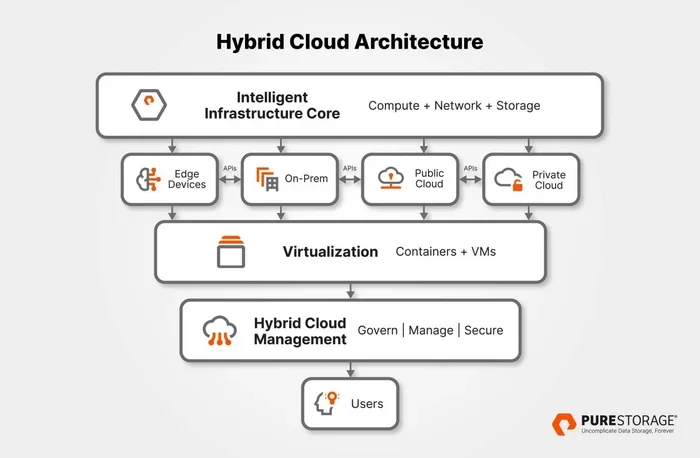
Cloud platforms offer a wide range of services that encourage innovation. From hybrid cloud setups that combine on-premise and cloud resources to advanced AI tools, the options are vast. Businesses can experiment with new technologies without committing to large capital investments.
This culture of innovation helps companies stay relevant and responsive to customer needs. When you can quickly test and deploy new ideas, you find better ways to serve your market and differentiate yourself from competitors.
Conclusion
The benefits of cloud computing services make a compelling case for businesses ready to modernize their operations. From cost savings and scalability to enhanced data security and improved collaboration, cloud technology delivers real value across every area of your business.
Whether you are looking to support a remote workforce, improve business continuity, or gain a competitive advantage, cloud services provide the tools and flexibility you need. The shift to the cloud is not just a trend, it is a strategic move that positions your business for long-term success.
Start exploring your options today. Look at different cloud hosting providers, compare flexible pricing plans, and think about how cloud migration could transform your business. The right cloud strategy can unlock new levels of efficiency, growth, and innovation for your company.
Frequently Asked Questions
What are the main benefits of cloud computing services for small businesses?
Small businesses benefit from lower upfront costs, scalable resources, and access to enterprise-grade tools they could not afford otherwise. Cloud services also support remote work and improve collaboration across distributed teams.
Is cloud computing secure for sensitive business data?
Yes, reputable cloud providers invest heavily in security measures including encryption, multi-factor authentication, and regular audits. As long as you follow best practices and manage user access properly, cloud platforms offer strong protection for sensitive data.
How does cloud computing help with cost savings?
Cloud computing eliminates the need for expensive hardware and reduces ongoing IT maintenance costs. The pay-as-you-go model means you only pay for the resources you use, avoiding wasted spending on unused capacity.
Can cloud services help my business recover from a disaster?
Absolutely. Cloud providers store your data across multiple locations, ensuring redundancy and fast recovery. Automatic backups and high uptime guarantees minimize downtime and keep your business running during unexpected events.
What is the difference between public cloud and hybrid cloud?
A public cloud uses shared resources managed by a provider, while a hybrid cloud combines on-premise infrastructure with cloud services. Hybrid setups give businesses more control and flexibility for specific workloads that require on-site hosting.
How do I get started with cloud migration for my business?
Start by assessing your current IT needs and identifying which applications and data would benefit most from the cloud. Choose a cloud provider that fits your budget and requirements, then plan a phased migration to minimize disruption to your operations.