The Business Value of Cloud Computing Explained
The business value of cloud computing goes far beyond just saving money. It helps companies scale faster, work remotely, and stay competitive in a digital world. Cloud technology gives businesses the tools they need to grow without heavy upfront costs. Cloud services also improve data security, disaster recovery, and overall operational efficiency. Understanding these benefits can help any company make smarter technology decisions.
Cloud computing has changed the way companies operate. From small startups to large enterprises, the business value of cloud computing is impossible to ignore. But what exactly makes cloud technology so valuable for businesses today?
The answer lies in flexibility, cost savings, and speed. When a company moves its operations to the cloud, it gains access to powerful tools without the heavy investment in physical infrastructure. Cloud services allow teams to work smarter, respond faster to market changes, and focus on what really matters: growth and customer satisfaction.
In this guide, we will break down every major benefit of cloud adoption. You will learn how cloud computing drives cost savings, boosts scalability, and strengthens data security. We will also share practical tips for getting the most out of your cloud journey. Whether you are just starting to explore cloud migration or looking to optimize your current setup, this article has you covered.
Key Takeaways
- Cost Savings: Cloud computing eliminates the need for expensive hardware and reduces IT maintenance costs.
- Scalability: Businesses can grow or shrink their resources based on real-time demand.
- Remote Work Enablement: Cloud tools let teams collaborate from anywhere in the world.
- Digital Transformation: Cloud adoption accelerates innovation and keeps companies competitive.
- Data Security: Leading cloud providers offer enterprise-grade security and disaster recovery.
- Faster ROI: Cloud-based solutions deliver quick returns through pay-as-you-go models.
- Operational Efficiency: Cloud services streamline workflows and reduce manual tasks.
📑 Table of Contents
What Is the Business Value of Cloud Computing?
The business value of cloud computing refers to the measurable and strategic advantages companies gain by using cloud-based solutions. It is not just about technology. It is about improving how a business operates, competes, and grows.
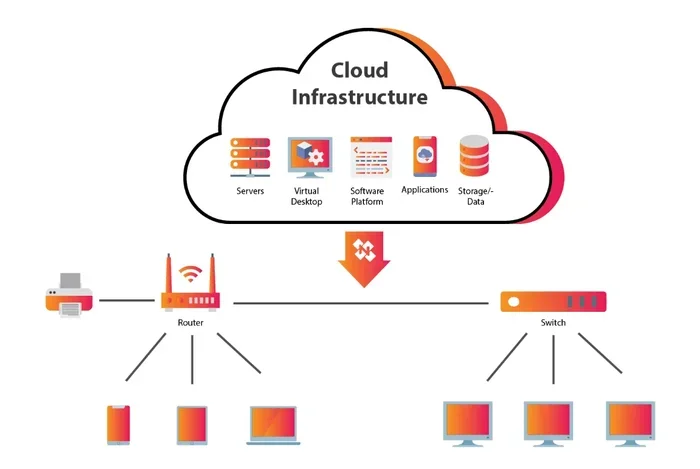
At its core, cloud computing delivers computing resources over the internet. This includes storage, processing power, software applications, and databases. Instead of owning and maintaining physical servers, companies rent these resources from cloud providers. This shift from capital expenses to operational expenses is one of the biggest game-changers in modern business.
Why Cloud Technology Matters for Modern Businesses
Today’s business environment moves fast. Customers expect instant responses. Markets shift quickly. Companies that cannot adapt fall behind. Cloud technology gives businesses the agility they need to keep up.
With cloud-based solutions, a company can deploy new applications in hours instead of months. Teams can access data from any device, anywhere in the world. This level of business agility was nearly impossible with traditional IT infrastructure. That is why cloud adoption continues to grow across every industry.
How Cloud Computing Drives Cost Savings
One of the most compelling reasons companies adopt cloud services is cost savings. The business value of cloud computing starts with the bottom line. Let us look at how cloud technology reduces expenses.
Eliminating Hardware Costs
Traditional IT setups require buying servers, cooling systems, and networking equipment. These costs add up fast. With cloud computing, companies pay only for what they use. There is no need to buy expensive hardware upfront.
This pay-as-you-go model is a huge advantage. Small businesses can access enterprise-level computing power without breaking the bank. Cloud migration removes the burden of maintaining physical equipment, which also cuts down on IT staff costs.
Reducing Maintenance and Downtime
Keeping on-premise servers running requires constant attention. Updates, patches, and repairs take time and money. Cloud providers handle all of this. They invest heavily in maintaining their infrastructure so that businesses do not have to.
Most cloud providers offer uptime guarantees of 99.9% or higher. This means fewer disruptions and more productivity. The return on investment from cloud services often becomes clear within the first year of adoption.
Predictable Budgeting with Cloud Services
Cloud computing makes budgeting easier. Instead of surprise repair bills and hardware upgrades, companies get predictable monthly bills. This operational efficiency allows finance teams to plan more accurately.
Many businesses also take advantage of reserved instances and savings plans offered by cloud providers. These options can reduce costs by 30% to 60% compared to on-demand pricing. Smart cloud-based solutions always include a cost optimization strategy.
Scalability and Business Agility
Scalability is one of the top reasons businesses choose the cloud. The business value of cloud computing truly shines when a company needs to grow quickly or handle seasonal demand spikes.
Scaling Up or Down with Ease
With traditional servers, scaling up means buying more hardware. This process takes weeks or even months. Cloud computing makes scaling instant. A company can increase its server capacity with a few clicks.
And when demand drops, resources can scale back down just as quickly. This flexibility prevents over-provisioning, which wastes money. It also prevents under-provisioning, which hurts performance. Cloud services give businesses exactly what they need, exactly when they need it.
Supporting Remote Work and Global Teams
The rise of remote work has made cloud computing essential. Teams spread across different cities or countries need seamless access to shared tools and data. Cloud technology makes this possible.
Platforms like Microsoft 365, Google Workspace, and Slack all run in the cloud. Employees can collaborate in real time, share files, and communicate without any physical office. This remote work capability has become a major competitive advantage for companies that embrace it.
Faster Time to Market
Cloud computing accelerates product development. Developers can test new ideas using cloud environments without waiting for hardware setup. This speed helps companies launch products faster and respond to customer feedback quickly.
Startups especially benefit from this advantage. A small team with great ideas can compete with larger companies by leveraging cloud-based solutions to move fast. Business agility is no longer a luxury. It is a necessity.
Cloud Computing and Digital Transformation
Digital transformation is the process of using technology to fundamentally change how a business operates. Cloud computing is at the heart of this transformation. Without the cloud, most digital initiatives would be too slow or too expensive.
Modernizing Legacy Systems
Many companies still rely on outdated software and systems. These legacy systems slow down operations and limit growth. Cloud migration offers a path to modernize these systems without starting from scratch.
Companies can move their applications to the cloud gradually. This approach, called a hybrid cloud strategy, minimizes risk. Teams can test the new environment before fully committing. Over time, they can retire old systems and enjoy the full benefits of cloud technology.
Enabling Data-Driven Decision Making
The cloud makes it easy to collect, store, and analyze large amounts of data. Businesses can use cloud-based analytics tools to uncover insights that drive better decisions. Data security in the cloud is also stronger than what most companies can build on their own.
Leading cloud providers invest billions in security measures. They employ dedicated teams, use advanced encryption, and follow strict compliance standards. For most businesses, trusting a cloud provider with data security is a smarter choice than managing it in-house.
Fostering Innovation and Competitive Advantage
When companies move to the cloud, they gain access to cutting-edge technologies. Artificial intelligence, machine learning, and the Internet of Things are all powered by cloud infrastructure. Cloud services make these advanced tools accessible to businesses of every size.
This access levels the playing field. A small company can use the same AI tools as a Fortune 500 firm. That kind of competitive advantage is one of the most exciting aspects of cloud adoption today.
Data Security and Disaster Recovery
Many businesses worry about moving their data to the cloud. Security concerns are valid. But the business value of cloud computing includes some of the best security and recovery capabilities available.
Enterprise-Grade Security Features
Top cloud providers offer security features that most companies cannot afford to build themselves. These include firewalls, intrusion detection, multi-factor authentication, and automatic encryption. Cloud computing providers also undergo regular third-party audits to ensure compliance with industry standards.
Businesses that handle sensitive data benefit greatly from these protections. Industries like healthcare, finance, and government rely on cloud providers to meet strict regulatory requirements. Cloud-based solutions make compliance easier and more reliable.
Disaster Recovery Made Simple
Data loss can be catastrophic for any business. Natural disasters, cyberattacks, or hardware failures can wipe out critical information. Cloud computing solves this problem through built-in disaster recovery.
Data stored in the cloud is automatically backed up across multiple locations. If one server goes down, the data is still safe in another region. This disaster recovery capability gives businesses peace of mind and ensures continuity. The return on investment in cloud-based backup alone is enormous.
Cloud Adoption: Getting the Most Business Value
Moving to the cloud is not just about technology. It is a strategic decision that requires planning. Companies that approach cloud adoption thoughtfully get the most value from their investment.
Start with a Clear Strategy
Before migrating to the cloud, define your goals. What problems are you trying to solve? Are you looking for cost savings, better scalability, or improved collaboration? A clear strategy helps you choose the right cloud services and avoid unnecessary expenses.
Choose the Right Cloud Model
There are three main cloud models: public, private, and hybrid. Public cloud services are shared among multiple users and offer the lowest cost. Private cloud provides dedicated resources for companies with strict security needs. Hybrid cloud combines both approaches for maximum flexibility.
Most businesses start with a public cloud model and move to a hybrid setup as they grow. The key is to match your cloud model to your business needs.
Train Your Team
Technology is only as good as the people using it. Invest in training your team on cloud tools and best practices. Employees who understand cloud technology can work more efficiently and make better use of their resources.
Monitor and Optimize Continuously
Cloud environments need ongoing management. Use monitoring tools to track usage, identify waste, and optimize performance. Regular reviews ensure you are getting the full business value of cloud computing over time.
Quick Tips for Maximizing Cloud Value
- Start small: Migrate one application first and learn from the experience.
- Set budgets: Use cost management tools to avoid unexpected cloud bills.
- Leverage automation: Automate repetitive tasks to save time and reduce errors.
- Review regularly: Audit your cloud usage monthly to find savings opportunities.
- Use tags: Tag resources by project or department for better cost tracking.
Common Mistakes to Avoid
- Skipping the planning phase: Rushing into cloud migration without a strategy leads to wasted money and confusion.
- Ignoring security: Even in the cloud, businesses must manage access controls and monitor threats.
- Over-provisioning: Allocating more resources than needed drives up costs unnecessarily.
- Neglecting training: Without proper training, teams cannot use cloud tools effectively.
- Forgetting to optimize: Cloud environments need regular reviews to stay efficient and cost-effective.
Conclusion
The business value of cloud computing is clear and compelling. From cost savings and scalability to improved security and faster innovation, cloud technology transforms how companies operate. Cloud services give businesses the tools they need to compete in a fast-moving digital world.
Whether you are a small startup or a large enterprise, the cloud offers something valuable. The key is to approach cloud adoption with a clear strategy, the right cloud model, and a commitment to ongoing optimization. Companies that do this unlock new levels of operational efficiency, business agility, and long-term growth.
The future of business is in the cloud. The question is not whether to make the move. It is how soon you can start. Embrace cloud technology today, and position your company for success tomorrow.
Frequently Asked Questions
What is the business value of cloud computing?
The business value of cloud computing includes cost savings, scalability, improved security, and faster innovation. Companies gain access to powerful IT resources without heavy upfront investments. This value helps businesses grow, compete, and adapt quickly to market changes.
How does cloud computing reduce costs for businesses?
Cloud computing eliminates the need for expensive hardware and reduces IT maintenance expenses. Companies pay only for the resources they use through a pay-as-you-go model. This shift from capital expenses to operational expenses makes budgeting more predictable and efficient.
Is cloud computing secure for sensitive business data?
Leading cloud providers invest heavily in enterprise-grade security measures. They use advanced encryption, multi-factor authentication, and regular third-party audits. Most businesses find that cloud security is stronger and more reliable than managing it on their own.
What industries benefit most from cloud adoption?
Almost every industry benefits from cloud technology. Healthcare, finance, retail, education, and manufacturing all use cloud-based solutions. Any business that needs flexibility, scalability, or remote collaboration capabilities gains significant value from the cloud.
How long does cloud migration take?
The timeline varies depending on the complexity of the migration. Small businesses can migrate key applications in a few weeks. Larger enterprises with complex systems may take several months. A phased approach helps minimize risk and ensures a smooth transition.
Can small businesses benefit from cloud computing?
Absolutely. Small businesses often benefit the most from cloud computing. They gain access to enterprise-level tools without large upfront costs. Cloud services level the playing field, allowing small companies to compete with larger rivals effectively.