Cloud Computing and Software Development Services Explained
Cloud computing and software development services are changing how businesses build, deploy, and scale applications. These services offer flexible, on-demand resources that save time and money. Whether you are a startup or an enterprise, understanding these services helps you make smarter tech decisions. This guide covers everything from basic concepts to advanced strategies you can use today.
Key Takeaways
- Cloud computing and software development services give businesses the tools to build and scale faster without heavy upfront costs.
- There are three main cloud models — IaaS, PaaS, and SaaS — each suited for different project needs.
- Cloud-based software development improves collaboration, speeds up delivery, and reduces infrastructure headaches.
- Security, scalability, and cost management are the top factors to consider when choosing a cloud provider.
- Small businesses benefit just as much as large enterprises from modern cloud solutions.
📑 Table of Contents
- What Are Cloud Computing and Software Development Services?
- Types of Cloud Computing Services
- Benefits of Cloud Computing for Software Development
- Choosing the Right Cloud Provider
- Common Challenges and How to Overcome Them
- Best Practices for Cloud-Based Software Development
- The Future of Cloud Computing and Software Development
- Conclusion
What Are Cloud Computing and Software Development Services?
Cloud computing and software development services go hand in hand. They form the backbone of modern digital business. Simply put, cloud computing delivers computing resources over the internet. These resources include servers, storage, databases, and software. Instead of owning physical hardware, you rent what you need.
Software development services in the cloud mean building, testing, and deploying applications using cloud platforms. This approach replaces old-school methods. You no longer need a room full of servers. Everything happens online. The shift to cloud services has made development faster and more accessible.
Today, companies of all sizes rely on cloud solutions to stay competitive. From startups to Fortune 500 companies, the cloud levels the playing field. You get access to powerful tools without a massive budget. This is why cloud computing and software development services have become essential in our digital world.
Why the Cloud Matters for Software Development
The cloud changed how developers work. Before the cloud, teams had to set up local environments. They spent weeks configuring servers and managing hardware. Now, cloud platforms provide ready-to-use environments. Developers can start coding in minutes.
Cloud-based software development also enables remote teams to collaborate seamlessly. Team members across the globe can work on the same project in real time. This flexibility is a game-changer for modern application development. It boosts productivity and shortens delivery timelines.
Types of Cloud Computing Services
Understanding the different types of cloud services helps you choose the right fit. Each model serves a unique purpose. Let us break them down.
Infrastructure as a Service (IaaS)
IaaS provides the foundational building blocks. You get virtual machines, storage, and networking resources. You control the operating system and applications. Popular IaaS providers include Amazon Web Services, Microsoft Azure, and Google Cloud Platform. This model is ideal for teams that want full control over their cloud infrastructure.
Platform as a Service (PaaS)
PaaS gives you a complete development platform. It includes tools for building, testing, and deploying applications. You do not worry about managing servers or storage. PaaS is perfect for developers who want to focus purely on writing code. It speeds up the software development lifecycle significantly.
Software as a Service (SaaS)
SaaS delivers fully functional applications over the internet. You access them through a web browser. No installation is required. Examples include Google Workspace, Salesforce, and Slack. SaaS is the most popular cloud model for everyday business use. It offers quick setup and minimal maintenance.
| Service Model | What You Get | Best For |
|---|---|---|
| IaaS | Virtual machines, storage, networking | Full control over infrastructure |
| PaaS | Development tools and platforms | Application development teams |
| SaaS | Ready-to-use software applications | Business users and non-technical teams |
Benefits of Cloud Computing for Software Development
The advantages of using the cloud for software development are clear. More and more teams are making the switch every year. Here is why.
Scalability and Flexibility
Scalable computing is one of the biggest benefits of the cloud. Your resources grow or shrink based on demand. During peak times, you can handle more traffic. During slow periods, you scale back and save money. This flexibility is impossible with traditional on-premise setups.
For example, an e-commerce site might need extra server power during holiday sales. The cloud adjusts automatically. After the rush, resources scale back down. This dynamic approach saves both money and effort.
Cost Efficiency
Cloud services operate on a pay-as-you-go model. You only pay for what you use. There are no huge upfront hardware investments. This makes cloud computing and software development services affordable for businesses of all sizes. Small startups can access enterprise-grade tools without breaking the bank.
Additionally, cloud platforms reduce maintenance costs. The provider handles hardware upgrades and security patches. Your team focuses on building great software instead of managing servers.
Faster Time to Market
Cloud environments speed up development cycles. Developers can spin up new environments instantly. Testing and deployment happen in hours, not weeks. This acceleration helps you launch products faster and stay ahead of competitors. Cloud migration of legacy applications also speeds up modernisation efforts.
Choosing the Right Cloud Provider
Not all cloud providers are the same. Choosing the right one depends on your specific needs. Here are the key factors to consider.
Security and Compliance
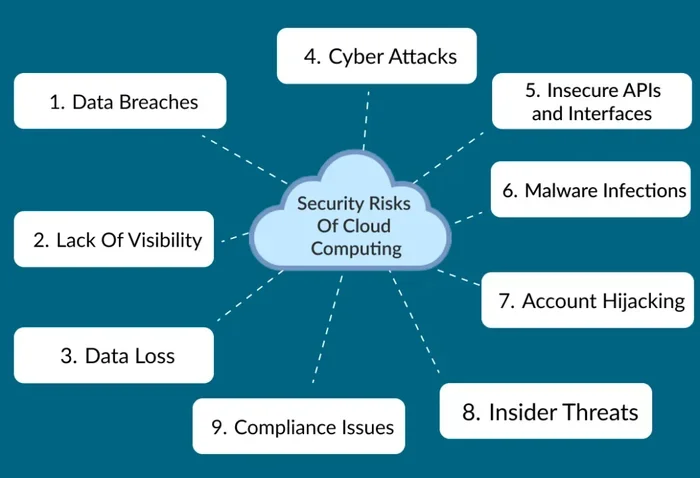
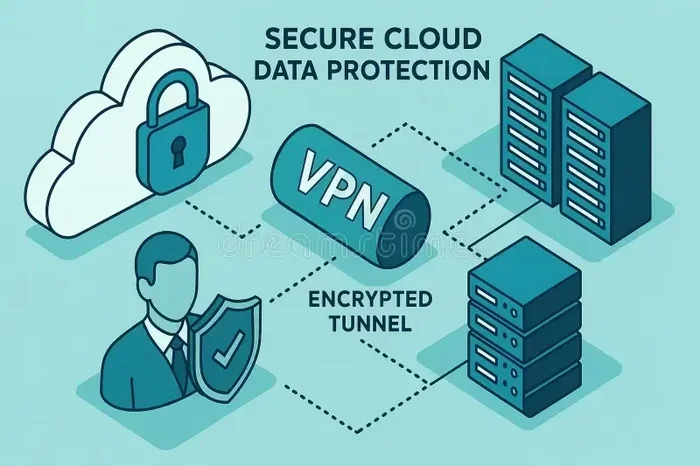
Cloud security is a top priority for every business. You need to protect sensitive data and meet regulatory requirements. Look for providers that offer encryption, identity management, and compliance certifications. Before committing, review their security policies carefully. This step ensures your cloud-based software stays safe from threats.
Performance and Reliability
Uptime matters. Your applications need to be available around the clock. Top cloud providers offer service level agreements (SLAs) with 99.9% uptime guarantees. Check their data center locations too. Closer data centers mean lower latency and faster performance for your users.
Pricing and Support
Compare pricing models across providers. Some charge per hour, others per gigabyte of storage. Understand what is included in the base price. Also, evaluate the support options. 24/7 support with dedicated account managers can save you during critical moments. Reviewing the terms and conditions of any cloud provider is also essential before signing up, as it clarifies responsibilities, limits, and service guarantees.
Integration Capabilities
Your cloud platform should integrate well with your existing tools. Check for APIs, pre-built connectors, and compatibility with your tech stack. Seamless integration reduces friction and improves workflow efficiency. This matters a lot for teams already using DevOps practices and CI/CD pipelines.
Common Challenges and How to Overcome Them
While the cloud offers many benefits, challenges exist. Being aware of them helps you plan better.
Vendor Lock-In
Switching cloud providers can be difficult once you are deep into a platform. This is called vendor lock-in. To avoid it, use open-source tools and standardised architectures. Multi-cloud strategies also reduce dependency on a single provider. Planning ahead keeps your options open for future cloud solutions.
Cost Management
Cloud costs can spiral if not monitored. Unexpected usage spikes lead to surprise bills. Set up budget alerts and use cost management tools. Regularly review your usage patterns and optimise resources. Good cost hygiene keeps your cloud hosting expenses predictable and manageable.
Skill Gaps
Cloud technologies evolve quickly. Keeping your team skilled is an ongoing challenge. Invest in training and certifications. Many providers offer free learning paths and workshops. Building internal expertise ensures you get the most out of your cloud architecture and development tools.
Best Practices for Cloud-Based Software Development
Following best practices helps you get the most from cloud services. These tips come from real-world experience.
- Start small and scale up. Begin with a pilot project. Test the waters before migrating your entire workload. This approach reduces risk and builds confidence.
- Adopt DevOps practices. Combine development and operations for faster, more reliable releases. Automation tools like Docker and Kubernetes work great in cloud environments.
- Implement strong access controls. Use role-based access and multi-factor authentication. Limit permissions to only what each team member needs.
- Monitor everything. Use monitoring tools to track performance, costs, and security. Set up alerts for unusual activity or spending spikes.
- Back up your data regularly. Even the best cloud providers can have outages. Maintain backups across multiple regions for disaster recovery.
Before signing any agreements, always review the terms and conditions carefully. Understanding the fine print protects your business from unexpected liabilities and ensures you get the service levels you pay for.
The Future of Cloud Computing and Software Development
The future of cloud computing and software development services looks incredibly bright. New technologies are pushing the boundaries of what is possible.
Artificial Intelligence and Machine Learning
Cloud providers now offer AI and ML services. Developers can build smart applications without deep expertise in data science. These tools make digital transformation faster and more accessible for businesses everywhere.
Edge Computing
Edge computing brings processing closer to the user. This reduces latency and improves real-time application performance. It is especially useful for IoT devices and mobile applications. The combination of edge and cloud computing creates powerful hybrid models.
Serverless Architecture
Serverless computing lets developers focus purely on code. The provider manages all infrastructure behind the scenes. You pay only for the compute time your code actually uses. This model is gaining popularity for web development and event-driven applications.
As these technologies mature, cloud computing and software development services will become even more powerful. Businesses that embrace these trends early gain a significant competitive advantage.
Conclusion
Cloud computing and software development services have revolutionised how businesses build and deliver software. The flexibility, cost savings, and speed they offer are unmatched. Whether you are exploring IaaS, PaaS, or SaaS, the cloud has a model that fits your needs.
Choosing the right provider and following best practices sets you up for success. Address challenges like cost management and security proactively. Stay curious about emerging technologies like AI and serverless computing. The cloud will continue to evolve, and staying informed keeps you ahead of the curve.
Start small, think big, and let the cloud power your next great idea. The possibilities are truly endless with modern cloud computing and software development services.
Frequently Asked Questions
What exactly are cloud computing and software development services?
Cloud computing and software development services refer to the use of online platforms and tools to build, test, deploy, and manage applications. Instead of relying on physical hardware, developers use cloud infrastructure to create software more efficiently and at scale.
How much do cloud computing services cost?
Costs vary based on usage, the provider, and the service model. Most cloud platforms use a pay-as-you-go pricing structure. This means you only pay for the resources you actually consume, making it budget-friendly for both small and large businesses.
Is cloud computing secure for sensitive data?
Yes, reputable cloud providers invest heavily in security measures. They offer encryption, access controls, and compliance certifications. However, you should also implement your own security practices. Always review the terms and conditions to understand what security responsibilities the provider handles versus your own.
Can small businesses benefit from cloud services?
Absolutely. Cloud services are especially valuable for small businesses. They provide access to enterprise-grade tools without large upfront investments. Small teams can scale resources up or down as needed, keeping costs low and agility high.
What is the difference between IaaS, PaaS, and SaaS?
IaaS provides raw infrastructure like servers and storage. PaaS offers a development platform with built-in tools. SaaS delivers complete software applications ready to use. Each model serves different needs, from full infrastructure control to ready-made business applications.
How do I get started with cloud-based software development?
Start by identifying your project requirements and budget. Choose a cloud provider that matches your needs. Set up a small pilot project to learn the platform. Gradually expand as your team gains confidence and experience with cloud-based software development workflows.
=== META TITLE ===
Cloud Computing and Software Development Services Explained
=== URL SLUG ===
cloud-computing-software-development-services-explained