Cloud Computing Cyber Security Issues and How to Fix Them
Cloud computing cyber security issues are real and growing as more businesses move their data online. From data breaches to misconfigurations, these risks can cause serious damage if left unchecked. The good news is that most of these problems have clear, actionable solutions. In this guide, we break down the biggest threats and show you exactly how to fix them. You will walk away with practical steps to lock down your cloud environment and keep your data safe.
Every day, businesses of all sizes rely on the cloud to store data, run applications, and serve customers. It is convenient, scalable, and cost-effective. But there is a catch. Cloud computing cyber security issues continue to rise, and many organizations do not take them seriously enough until it is too late.
A single security lapse in the cloud can expose customer data, bring down operations, and cost thousands of dollars in recovery. The threats are real, but here is the good news. Most cloud security problems are preventable. You just need to know what to look for and how to fix them. This guide walks you through the most common cloud computing cyber security issues and gives you clear, actionable steps to address each one.
Whether you run a small startup or manage a large enterprise, understanding these risks is essential. Let us dive in.
Key Takeaways
- Misconfigurations are the #1 cause of cloud security breaches, and they are entirely preventable with the right checks.
- Data breaches in the cloud expose sensitive information and can damage your reputation and bottom line.
- Multi-factor authentication and access controls are simple but powerful tools to stop unauthorized access.
- The shared responsibility model means both you and your cloud provider share the duty of keeping data safe.
- Regular vulnerability scanning and compliance checks help you catch problems before they become disasters.
- Encryption at rest and in transit is non-negotiable for any business storing data in the cloud.
- Training your team is one of the most overlooked yet effective ways to reduce cloud security risks.
📑 Table of Contents
What Are Cloud Computing Cyber Security Issues?
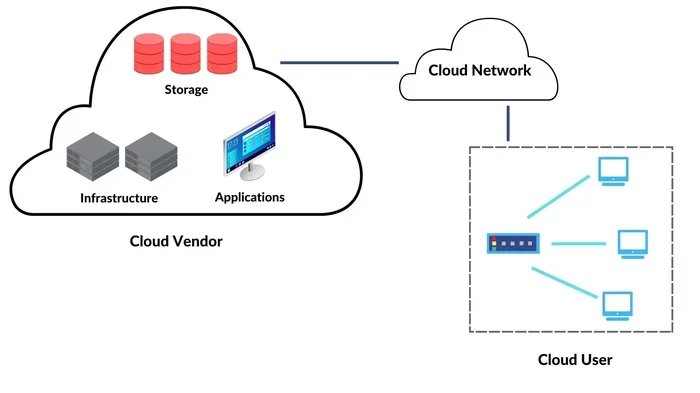
When we talk about cloud computing cyber security issues, we are referring to the vulnerabilities and threats that exist when data and applications live in cloud environments. These are not the same as traditional on-premise security challenges. The cloud introduces a unique set of risks that come from shared infrastructure, remote access, and complex configurations.
Think of it this way. When your data sits on a server in your office, you control the physical space and the digital access. In the cloud, your data lives on servers managed by someone else. You still have control over how it is accessed and protected, but the environment is shared and always connected to the internet. That creates new opportunities for attackers.
Some of the most common cloud security threats include unauthorized access, data leaks, ransomware attacks, and service disruptions. Understanding these issues is the first step toward fixing them.
Why Cloud Security Matters More Than Ever
The shift to cloud services has accelerated rapidly. More companies are using SaaS platforms, IaaS infrastructure, and PaaS environments than ever before. With this growth comes a bigger attack surface. Hackers know that cloud systems often hold valuable data, and they are constantly looking for weak spots.
According to industry reports, misconfigurations account for a huge percentage of cloud breaches. This means that the problem is not always a sophisticated hacker. Sometimes, it is a simple setting left open by mistake. That is both scary and reassuring. It means you have more control than you might think.
Common Cloud Security Threats You Should Know
To protect your cloud environment, you need to understand the threats that are out there. Let us look at the most common cloud computing cyber security issues that businesses face today.
Data Breaches and Unauthorized Access
A data breach happens when someone gains access to sensitive information without permission. This can include customer records, financial data, and intellectual property. In the cloud, a breach can happen through weak passwords, unpatched systems, or exposed APIs.
The impact of a data breach can be devastating. Beyond the immediate financial loss, businesses face reputational damage and regulatory fines. Customers lose trust, and rebuilding that trust takes time and money.
Misconfigurations and Human Error
Cloud misconfiguration is one of the leading causes of security incidents. It happens when cloud resources are not set up correctly. For example, an open storage bucket that anyone on the internet can access is a classic misconfiguration.
Human error plays a big role here. IT teams manage complex cloud environments, and it is easy to overlook a setting or make a typo. The problem is that these small mistakes can open the door to major security incidents.
Insider Threats
Not all threats come from outside. Insider threats are a real concern in cloud environments. This includes current or former employees, contractors, or partners who have access to your systems. A careless action or a deliberate act can lead to significant data loss.
Identity and access management is critical for limiting insider risks. You need to ensure that people only have access to the resources they truly need.
Insecure APIs and Interfaces
Cloud services rely heavily on APIs to communicate with other systems. If these APIs are not secured properly, attackers can exploit them to gain access to your data. Weak authentication, lack of rate limiting, and poor input validation are common API vulnerabilities.
Denial of Service Attacks
A denial of service (DoS) attack overwhelms your cloud resources with traffic, making your services unavailable. In a cloud environment, these attacks can be especially costly because they consume your allocated resources and drive up your bills.
How to Fix Cloud Computing Cyber Security Issues
Now that we have covered the main threats, let us talk about solutions. Fixing cloud computing cyber security issues requires a combination of technology, processes, and people. Here is how to tackle the most common problems.
Implement Strong Access Controls
The first line of defense is controlling who can access your cloud resources. Use multi-factor authentication on every account. This adds an extra layer of security beyond just a password. Even if a password is stolen, the attacker still cannot get in without the second factor.
Next, apply the principle of least privilege. This means giving users only the access they need to do their jobs. Review permissions regularly and remove access for people who no longer need it.
Encrypt Your Data
Encryption in cloud environments is essential. You should encrypt data both at rest and in transit. This means that even if someone intercepts your data, they cannot read it without the decryption key.
Most major cloud providers offer built-in encryption tools. Make sure you are using them. It is one of the simplest and most effective steps you can take.
Regular Vulnerability Scanning
You cannot fix what you do not know exists. Cloud vulnerability scanning helps you identify weaknesses in your environment before attackers do. Run scans regularly and act on the findings immediately.
Many cloud platforms offer native scanning tools. You can also use third-party solutions for more comprehensive coverage. The key is to make scanning a regular part of your security routine.
Monitor and Log Everything
Cloud security monitoring gives you visibility into what is happening in your environment. Set up logging for all critical activities, including logins, configuration changes, and data access.
Use alerts to notify your team of suspicious activity. The faster you detect a potential threat, the faster you can respond. Real-time monitoring is a game changer for cloud data protection.
Conduct Regular Security Audits
A security audit reviews your cloud setup and checks for compliance with security standards. Schedule audits at least twice a year, or more often if your environment changes frequently.
Audits help you catch misconfigurations, outdated policies, and gaps in your defenses. They also demonstrate to customers and partners that you take security seriously.
Train Your Team
Technology alone cannot solve all your security problems. Your team is your first line of defense, but they can also be your biggest vulnerability. Regular cybersecurity awareness training helps employees recognize phishing emails, avoid risky behavior, and follow security protocols.
Make training engaging and practical. Use real-world examples and simulations. When your team understands the why behind security practices, they are much more likely to follow them.
Cloud Security Best Practices for Businesses
Building a strong security posture takes more than fixing individual problems. It requires a holistic approach. Here are some best practices that every business should follow.
Adopt a Zero Trust Security Model
Zero trust security is a framework that assumes no one and nothing is trustworthy by default. Every user, device, and connection must be verified before gaining access. This approach is especially effective in cloud environments where users access resources from multiple locations and devices.
Implement zero trust by verifying identities continuously, limiting access to specific resources, and monitoring all activity for anomalies.
Use a Cloud Security Posture Management Tool
A cloud security posture management tool helps you continuously assess and improve your cloud security. These tools automate the detection of misconfigurations, compliance violations, and other risks.
They give you a single pane of glass to manage security across multiple cloud providers. This saves time and reduces the chance of human error.
Backup Your Data Regularly
Even with the best defenses, incidents can still happen. Regular backups ensure that you can recover quickly from a breach, ransomware attack, or accidental deletion.
Store backups in a separate, secure location. Test your backup and recovery process regularly to make sure it actually works when you need it.
Stay Compliant with Industry Standards
Depending on your industry, you may need to comply with regulations like GDPR, HIPAA, or PCI DSS. Cloud compliance requires that your cloud setup meets specific security and privacy standards.
Work with your cloud provider to understand their compliance certifications. Then make sure your own configuration aligns with those requirements.
The Shared Responsibility Model Explained
One of the most important concepts in cloud security is the shared responsibility model. Many businesses misunderstand this and assume that their cloud provider handles all security. That is not the case.
Your cloud provider is responsible for the security of the cloud infrastructure itself. This includes the physical servers, networking, and data centers. You are responsible for securing what you put in the cloud. That includes your data, your access controls, your configurations, and your applications.
Understanding this division of responsibility is crucial. If you fail to secure your part, the provider cannot protect you. This is why so many cloud computing cyber security issues stem from customer-side misconfigurations.
| Responsibility | Cloud Provider | Customer |
|---|---|---|
| Physical security | Yes | No |
| Data encryption | Partial | Yes |
| Access control | No | Yes |
| Configuration management | No | Yes |
| Compliance | Partial | Yes |
| Operating system patching | Varies | Varies |
Use this table as a quick reference to understand where your responsibilities lie. When in doubt, read the terms of service for your specific cloud platform.
When to Call in the Experts
Not every business has the resources or expertise to manage cloud security in-house. That is perfectly okay. There are professionals who specialize in cloud security services and can help you build a strong defense.
Consider bringing in experts if you lack a dedicated security team, operate in a highly regulated industry, or have experienced a recent security incident. A third-party assessment can also be valuable if you want an unbiased view of your current security posture.
Managed security service providers (MSSPs) offer ongoing monitoring, incident response, and compliance support. They can be a cost-effective way to get enterprise-level protection without hiring a full internal team.
Conclusion
Cloud computing cyber security issues are a real and growing concern for businesses of all sizes. But they are not insurmountable. By understanding the threats, implementing strong access controls, encrypting your data, and following best practices, you can significantly reduce your risk.
The key is to be proactive. Do not wait for a breach to make security a priority. Start with the basics, build a strong foundation, and continuously improve your defenses. Your data, your customers, and your business depend on it.
Take action today. Review your cloud configurations, update your access controls, and schedule a security audit. Small steps now can prevent big problems later. Cloud security is not a one-time effort. It is an ongoing commitment that pays off in peace of mind and long-term protection.
Frequently Asked Questions
What are the most common cloud computing cyber security issues?
The most common issues include misconfigurations, data breaches, unauthorized access, insecure APIs, and insider threats. Many of these stem from human error and can be prevented with proper security measures.
How can I protect my data in the cloud?
You can protect your data by using strong encryption, enabling multi-factor authentication, implementing strict access controls, and regularly backing up your information. Regular security audits also help identify vulnerabilities early.
Is cloud security the responsibility of the provider or the customer?
It is a shared responsibility. The provider secures the infrastructure, but you are responsible for securing your data, configurations, and access controls. Understanding the shared responsibility model is essential for effective cloud security.
What is cloud security posture management?
Cloud security posture management is a tool and process that helps you continuously monitor and improve your cloud security setup. It automates the detection of misconfigurations, compliance violations, and other risks across your cloud environment.
How often should I run vulnerability scans on my cloud environment?
You should run vulnerability scans at least once a month, or more frequently if your environment changes often. Regular scanning helps you catch weaknesses before attackers can exploit them.
What should I do if I experience a cloud security breach?
If you experience a breach, act quickly. Isolate affected systems, notify your team and relevant stakeholders, and follow your incident response plan. Engage your cloud provider’s security team and consider bringing in external experts to assist with recovery and investigation.