Cloud Computing Digital Transformation Complete Guide
Cloud computing digital transformation is the process of using cloud technology to fundamentally change how businesses operate and deliver value. This guide covers everything from cloud migration strategies to real-world benefits and common pitfalls. You will learn actionable steps to modernize your IT infrastructure, reduce costs, and stay competitive in a fast-moving digital landscape. Whether you are a small business or a large enterprise, these insights will help you make smarter technology decisions.
Key Takeaways
- Cloud adoption unlocks scalability: Businesses can grow or shrink resources on demand without heavy upfront costs.
- Digital transformation strategy matters: A clear plan ensures your cloud transition aligns with business goals and delivers real results.
- Cost savings are significant: Moving to the cloud reduces hardware expenses, maintenance, and IT staffing needs.
- Cloud security is manageable: With the right tools and practices, data protection in the cloud is strong and reliable.
- Automation drives efficiency: Cloud platforms enable workflows that save time and reduce human error across teams.
- Start small, scale fast: A phased approach to cloud migration minimizes risk and builds confidence along the way.
📑 Table of Contents
- What Is Cloud Computing Digital Transformation?
- Why Cloud Computing Drives Business Transformation
- Key Benefits of Cloud Computing Digital Transformation
- Cloud Migration Strategies That Actually Work
- Common Mistakes to Avoid in Cloud Transformation
- The Future of Cloud Computing and Digital Innovation
- Conclusion
What Is Cloud Computing Digital Transformation?
Let us start with the basics. Cloud computing digital transformation means using cloud technology to rethink and improve how a business works. It is not just about moving servers to the internet. It is about changing the entire way teams collaborate, serve customers, and grow.
Think of it this way. Traditional IT requires expensive hardware, a dedicated team to manage it, and long wait times for upgrades. Cloud computing flips that model. You access computing power, storage, and software through the internet. You pay only for what you use. You scale up or down whenever you need to.
The goal of digital transformation is to make businesses faster, smarter, and more responsive. Cloud platforms make that possible. They provide the foundation for modern tools like data analytics, artificial intelligence, and remote work environments. Companies that embrace this shift gain a serious advantage over those that do not.
So why does this matter right now? The world of work has changed dramatically. Remote teams, global customers, and massive data volumes are the norm. Businesses need flexible, powerful technology that keeps up. Cloud computing delivers exactly that.
Why the Term “Transformation” Matters
The word “transformation” is key here. It is not a simple upgrade. It is a fundamental shift. When a business moves to the cloud, it does not just replace old tools with new ones. It reimagines its entire operating model. This includes how employees work, how customers interact with the brand, and how leaders make decisions.
For example, a retail company might use cloud platforms to analyze customer behavior in real time. It can then adjust pricing, personalize offers, and manage inventory automatically. That kind of agility would be nearly impossible with traditional IT systems.
Why Cloud Computing Drives Business Transformation
Cloud technology is the engine behind modern business transformation. It gives companies the tools they need to innovate quickly and respond to market changes. Without cloud infrastructure, digital transformation efforts stall. With it, businesses can move at the speed of ideas.
Here is what makes cloud computing so powerful for transformation:
- Instant scalability: Need more computing power during a busy season? The cloud delivers it in minutes.
- Global reach: Cloud services let you serve customers anywhere in the world without building physical data centers.
- Continuous innovation: Cloud providers constantly add new features, so you always have access to the latest tools.
- Faster time to market: New products and services can be launched quickly using pre-built cloud environments.
- Data-driven decisions: Cloud analytics tools turn raw data into actionable insights in real time.
When businesses combine cloud technology with a solid digital transformation strategy, the results are remarkable. Teams become more productive. Operations become more efficient. Customer experiences become more personalized. All of this leads to stronger revenue growth and long-term competitiveness.
Cloud Adoption Trends in 2024
More companies are adopting cloud services than ever before. According to recent research, over 90 percent of enterprises now use a multi-cloud approach. This means they rely on more than one cloud provider to meet different needs. The trend toward hybrid cloud setups is also growing. Hybrid cloud combines public cloud resources with private cloud infrastructure, giving businesses the best of both worlds.
Small and medium-sized businesses are also jumping on board. Cloud adoption is no longer just for large corporations. Affordable cloud solutions have made powerful technology accessible to companies of all sizes. This democratization of technology is a huge driver of business transformation across industries.
| Feature | Traditional IT | Cloud Computing |
|---|---|---|
| Upfront Cost | Very high | Low (pay-as-you-go) |
| Scalability | Slow and expensive | Instant and flexible |
| Maintenance | Internal team required | Handled by provider |
| Deployment Speed | Weeks or months | Minutes to hours |
| Disaster Recovery | Complex and costly | Built-in and automated |
| Remote Access | Requires VPN setup | Anywhere, anytime |
Key Benefits of Cloud Computing Digital Transformation
The benefits of moving to the cloud go far beyond just saving money. While cost reduction is a major draw, the full picture is much more compelling. Let us break down the most important advantages.
Cost Efficiency and Savings
One of the biggest reasons companies pursue cloud migration is cost savings. Traditional IT requires massive upfront investments in hardware, software, and facilities. You also need a team to maintain everything. Cloud computing eliminates most of these costs. You shift from capital expenses to operating expenses. This frees up budget for innovation and growth.
Studies show that businesses save an average of 20 to 40 percent on IT costs after moving to the cloud. These savings come from reduced energy usage, lower hardware costs, and more efficient use of IT staff.
Scalability and Flexibility
Cloud platforms give you the power to scale resources up or down based on demand. During peak seasons, you can add more computing power instantly. During slow periods, you scale back and save money. This flexibility is impossible with traditional infrastructure.
For startups and growing businesses, this is a game-changer. You do not need to predict your future computing needs perfectly. The cloud adjusts with you as your business evolves.
Enhanced Collaboration and Remote Work
Cloud tools make it easy for teams to work together from anywhere. Employees can access files, applications, and communication platforms from any device with an internet connection. This has been especially important as remote work has become standard in many industries.
Cloud-based collaboration platforms also improve communication between departments. Marketing teams can share data with sales teams in real time. Customer service can access product information instantly. These connections break down silos and boost overall productivity.
Improved Security and Compliance
Many business owners worry about cloud security. The truth is that leading cloud providers invest billions in security measures. They employ top experts and use advanced encryption to protect data. For most businesses, the cloud is actually safer than on-premises solutions.
Major cloud platforms also help with regulatory compliance. They offer built-in tools for data privacy, audit trails, and access controls. This makes it easier for companies in regulated industries like healthcare and finance to meet their obligations.
Disaster Recovery and Business Continuity
Data loss can be devastating for any business. Cloud computing offers robust disaster recovery options. Data is backed up across multiple geographic locations automatically. If one server goes down, your systems keep running. This level of resilience would be extremely expensive to build with traditional IT.
Quick Tips for Maximizing Cloud Benefits
- Start with a clear assessment of your current IT environment.
- Identify the workloads that will benefit most from the cloud first.
- Set measurable goals for your migration, such as cost reduction or performance improvement.
- Train your team on new cloud tools and workflows before the full migration.
- Monitor costs regularly to ensure you are getting the expected savings.
Cloud Migration Strategies That Actually Work
Migrating to the cloud is a significant project. It requires careful planning and execution. A rushed migration can lead to problems like downtime, data loss, and cost overruns. The key is to choose the right strategy for your business needs.
The 6 R’s of Cloud Migration
Most experts use a framework called the 6 R’s to categorize migration approaches. Each one fits different situations and goals:
- Rehost (Lift and Shift): You move applications to the cloud with minimal changes. This is the fastest approach and works well for simple migrations.
- Replatform: You make minor optimizations to take advantage of cloud features without changing the core architecture.
- Refactor: You redesign applications to be cloud-native. This delivers the most benefits but requires more time and investment.
- Repurchase: You replace existing applications with cloud-based alternatives, like switching to a SaaS solution.
- Retire: You decommission applications that are no longer needed. This reduces clutter and saves costs.
- Retain: You keep certain applications on-premises because they are not ready for the cloud or do not need to be there.
How to Choose the Right Strategy
Not every application needs the same treatment. A smart migration plan uses different strategies for different workloads. For example, you might rehost your email system quickly while refactoring your core customer platform for long-term cloud benefits.
Before you start, assess each application carefully. Consider factors like complexity, dependencies, security requirements, and business importance. This assessment helps you prioritize and plan effectively.
Expert Insight
“The most successful cloud migrations start with a clear business case, not a technology checklist. Focus on the outcomes you want to achieve, then choose the migration approach that best supports those outcomes.” — Sarah Chen, Cloud Strategy Director at TechScale Advisors
Phased Migration: The Safest Approach
For most businesses, a phased migration is the best path. You move one application or department at a time. This approach reduces risk because you can learn from each phase before moving on. It also lets your team build confidence with cloud tools gradually.
Start with low-risk, low-complexity workloads. These early wins build momentum and prove the value of cloud computing to stakeholders. Then tackle more critical systems as your team gains experience and trust in the new environment.
Common Mistakes to Avoid in Cloud Transformation
Even with the best intentions, many companies stumble during their cloud journey. Understanding these common pitfalls can save you time, money, and frustration.
Skipping the Strategy Phase
The biggest mistake is jumping into cloud adoption without a plan. Without a clear digital transformation strategy, you risk moving the wrong workloads, choosing the wrong providers, and failing to achieve your goals. Take the time to define your objectives, assess your current state, and build a roadmap before you start migrating.
Underestimating Costs
Cloud computing can be very cost-effective, but only if you manage it properly. Many businesses are surprised by unexpected expenses. These can come from data transfer fees, over-provisioned resources, or unused services. Regular cost monitoring and optimization are essential to keep your cloud spending in check.
Ignoring Security from Day One
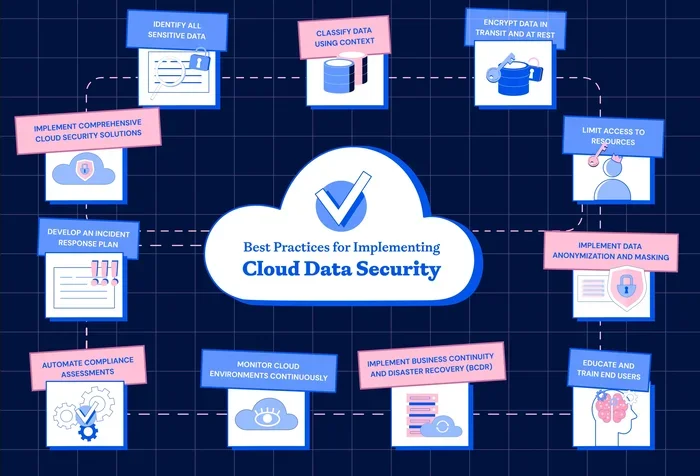
Security should be built into your cloud strategy from the start, not added as an afterthought. This includes setting up proper access controls, encrypting sensitive data, and establishing compliance protocols. Waiting until after migration to address security creates unnecessary risk.
Neglecting Team Training
New cloud tools require new skills. If your team does not understand how to use cloud platforms effectively, you will not get the full return on your investment. Budget for training and ongoing learning as part of your transformation plan.
Vendor Lock-In
Relying too heavily on a single cloud provider can create problems down the road. If the provider changes pricing or discontinues a service, you may have limited options. A multi-cloud or hybrid cloud strategy can help you maintain flexibility and avoid lock-in.
Common Mistakes at a Glance
- Moving to the cloud without a clear business strategy
- Ignoring ongoing cost management and optimization
- Treating cloud security as someone else’s responsibility
- Underestimating the need for team training and change management
- Choosing a single provider for all workloads
- Failing to define success metrics before starting the migration
The Future of Cloud Computing and Digital Innovation
The world of cloud computing is constantly evolving. New technologies and trends are shaping the future of digital innovation. Staying informed about these developments helps you make smarter decisions for your business.
Artificial Intelligence and Machine Learning in the Cloud
Cloud providers are making AI and machine learning tools more accessible than ever. Businesses can now use powerful AI models without building their own infrastructure. This opens up exciting possibilities for automation, predictive analytics, and personalized customer experiences.
For example, a small e-commerce company can use cloud-based AI to recommend products to shoppers based on their browsing history. A manufacturer can use machine learning to predict equipment failures before they happen. These capabilities were once only available to large corporations with dedicated tech teams.
Edge Computing and the Cloud
Edge computing brings processing power closer to where data is generated. This reduces latency and improves performance for applications that need real-time responses. When combined with cloud computing, edge computing enables powerful digital workplace solutions for industries like manufacturing, healthcare, and transportation.
Sustainability and Green Cloud
Sustainability is becoming a major focus for businesses and consumers alike. Cloud computing is inherently more energy-efficient than traditional data centers. Major providers are also investing heavily in renewable energy. By moving to the cloud, companies can reduce their carbon footprint while benefiting from advanced technology.
Serverless Computing
Serverless computing is an emerging model where you do not need to manage servers at all. The cloud provider handles all the infrastructure. You simply write code and pay for the compute time you actually use. This approach is ideal for event-driven applications and microservices architectures.
As these technologies mature, they will make cloud computing digital transformation even more powerful and accessible. Businesses that stay informed and adapt will be best positioned for long-term success.
Building a Culture of Digital Agility
Technology alone does not drive transformation. You also need a culture that embraces change and innovation. This means encouraging experimentation, rewarding learning, and breaking down barriers between departments. Leadership plays a crucial role in fostering this kind of environment.
When your team feels empowered to try new cloud tools and approaches, amazing things happen. People find creative ways to solve problems. Collaboration improves. The entire organization becomes more responsive to customer needs and market shifts. This digital agility is what separates thriving businesses from those that merely survive.
Conclusion
Cloud computing digital transformation is no longer optional for businesses that want to thrive. It is the foundation of modern operations, innovation, and growth. From cost savings and scalability to improved security and collaboration, the benefits are clear and compelling.
The journey does require planning, investment, and a willingness to adapt. But the rewards are well worth the effort. Companies that approach cloud adoption with a clear strategy, realistic expectations, and a focus on continuous improvement will see transformative results.
Start where you are. Use what you have. Take the next step toward a cloud-powered future. Your business deserves the speed, flexibility, and innovation that cloud technology delivers.
Frequently Asked Questions
What is cloud computing digital transformation?
Cloud computing digital transformation is the process of using cloud technology to fundamentally change how a business operates, delivers value, and serves customers. It goes beyond simple technology upgrades to reshape workflows, culture, and strategy.
How long does a cloud migration take?
The timeline varies widely depending on the size of your organization and the complexity of your systems. A small business might complete a migration in a few months. A large enterprise with complex legacy systems could take a year or more. A phased approach helps manage the process smoothly.
Is cloud computing safe for sensitive data?
Yes, major cloud providers invest heavily in security measures including encryption, access controls, and compliance certifications. In most cases, cloud environments are more secure than traditional on-premises setups, especially when businesses follow best practices for configuration and management.
What is the difference between cloud migration and digital transformation?
Cloud migration is the technical process of moving applications and data to the cloud. Digital transformation is the broader business strategy of using technology to fundamentally improve operations, customer experiences, and value delivery. Migration is a key part of transformation, but transformation involves much more.
How much can a business save by moving to the cloud?
Businesses typically save 20 to 40 percent on IT costs after moving to the cloud. Savings come from reduced hardware expenses, lower maintenance costs, and more efficient use of IT staff. The exact amount depends on your current infrastructure and how well you manage cloud resources.
Do small businesses benefit from cloud computing digital transformation?
Absolutely. Cloud computing levels the playing field by giving small businesses access to powerful technology that was once only available to large corporations. Small businesses can scale resources on demand, reduce upfront costs, and compete more effectively in the digital marketplace.