Cloud Computing in Banking and Financial Services Explained
Cloud computing in banking and financial services is reshaping how banks store data, serve customers, and stay competitive. It offers flexibility, cost savings, and faster innovation for financial institutions of all sizes. This guide breaks down the benefits, challenges, and real-world uses of cloud technology in finance. You will learn how banks adopt the cloud safely while meeting strict regulations. Read on to see why the cloud is the future of banking.
Cloud computing in banking and financial services has become one of the biggest game-changers in the industry. Banks, credit unions, and fintech companies are all moving their operations to the cloud. Why? Because the cloud delivers real benefits that traditional IT setups simply cannot match.
Think about it. Banks handle millions of transactions every day. They store sensitive customer data. They need systems that are fast, reliable, and secure. Cloud computing in banking and financial services provides all of this and more. In this article, we will explore how the cloud is transforming finance, what benefits it brings, and what challenges banks face along the way.
Whether you are a banking professional, a tech enthusiast, or a curious customer, this guide will give you a clear picture of the cloud’s role in modern finance. Let us dive right in.
Key Takeaways
- Cost Efficiency: Cloud computing in banking and financial services reduces IT infrastructure costs significantly.
- Scalability: Banks can scale resources up or down based on demand without heavy capital investment.
- Enhanced Security: Modern cloud platforms offer advanced security tools that rival or exceed on-premise solutions.
- Regulatory Compliance: Cloud providers help banks meet strict financial regulations with built-in compliance features.
- Faster Innovation: Cloud technology enables banks to launch new products and services faster than ever before.
- Better Customer Experience: Cloud-powered tools improve response times and personalize banking services for customers.
📑 Table of Contents
- What Is Cloud Computing in Banking and Financial Services?
- Why Banks Are Adopting Cloud Computing
- Key Benefits of Cloud Computing in Banking and Financial Services
- Challenges and Risks of Cloud Adoption in Finance
- Real-World Examples of Cloud Computing in Banking
- Best Practices for Implementing Cloud Computing in Banking
- The Future of Cloud Computing in Banking and Financial Services
- Conclusion
What Is Cloud Computing in Banking and Financial Services?
Cloud computing means using remote servers hosted on the internet to store, manage, and process data. Instead of relying on physical servers in a bank’s basement, financial institutions can access computing power over the internet. This shift has changed the way banks operate on a fundamental level.
Cloud banking covers a wide range of services. These include data storage, application hosting, customer-facing platforms, and analytics tools. Banks use cloud technology in finance to run everything from mobile banking apps to complex risk management systems.
Types of Cloud Models Used in Banking
Banks can choose from different cloud deployment models. Each model has its own advantages and trade-offs.
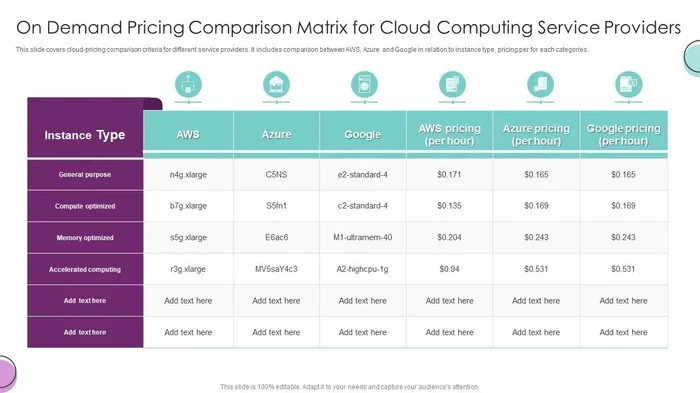
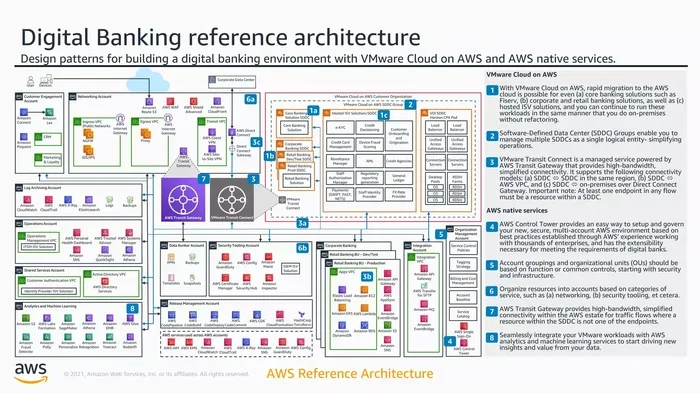
- Public Cloud: Resources are shared across multiple organizations. Providers like AWS, Microsoft Azure, and Google Cloud offer public cloud services. This model is cost-effective and highly scalable.
- Private Cloud: Dedicated infrastructure for a single organization. Banks often use private clouds for sensitive data and core banking operations.
- Hybrid Cloud: A mix of public and private cloud environments. Many banks adopt a hybrid approach to balance cost and security.
- Multi-Cloud: Using services from multiple cloud providers. This strategy reduces dependency on a single vendor and increases flexibility.
Most large financial institutions use a combination of these models. The goal is to get the best of each world while keeping costs under control.
Why Banks Are Adopting Cloud Computing
The shift toward financial cloud services is not accidental. Banks face real pressures that push them toward the cloud. Let us look at the main reasons driving this adoption.
1. Cost Savings and Operational Efficiency
Running on-premise data centers is expensive. Banks must buy hardware, maintain servers, hire IT staff, and pay for energy and cooling. Cloud computing in banking and financial services eliminates most of these costs. Banks pay only for what they use, which makes budgeting much easier.
With cloud cloud cost savings banking, institutions can redirect funds toward customer-facing improvements and innovation. Instead of spending millions on infrastructure, banks invest in better products and services.
2. Scalability and Flexibility
Banks experience fluctuating demand. During tax season or market volatility, transaction volumes spike. Traditional servers struggle to handle these peaks. Cloud platforms scale effortlessly. They can handle sudden surges without any downtime.
Cloud scalability financial sector institutions can now respond to market changes in real time. This flexibility gives banks a serious competitive edge.
3. Faster Time to Market
In the past, launching a new banking product took months. Developers had to set up servers, configure environments, and test everything. Today, cloud migration banking processes allow banks to deploy new services in days or even hours.
Fintech startups have always been fast. Cloud computing now lets traditional banks keep up. They can experiment with new features, test ideas quickly, and roll out updates without long delays.
4. Improved Customer Experience
Customers expect seamless banking experiences. They want mobile apps that work instantly, fast transaction processing, and personalized services. Cloud computing benefits in banking make all of this possible.
Cloud-powered analytics help banks understand customer behavior. They can offer personalized recommendations, detect fraud faster, and provide 24/7 support. The result is a better experience that keeps customers loyal.
Key Benefits of Cloud Computing in Banking and Financial Services
The benefits of cloud adoption go far beyond cost savings. Let us break down the most important advantages.
Enhanced Security and Data Protection
One of the biggest concerns about cloud adoption is security. Banks deal with highly sensitive financial data. A data breach can cause massive damage. However, modern cloud security financial services platforms are incredibly robust.
Leading cloud providers invest billions in security every year. They offer encryption, multi-factor authentication, intrusion detection, and regular security audits. Many banks find that their cloud providers offer better security than what they could build in-house.
Cloud compliance regulations are also built into major platforms. Providers like AWS and Azure comply with standards such as PCI DSS, GDPR, and SOC 2. This makes it easier for banks to meet their regulatory obligations.
Advanced Analytics and AI Integration
Cloud platforms come with powerful analytics tools. Banks can process massive datasets in seconds. They can run machine learning models to detect fraud, assess credit risk, and predict market trends.
Cloud analytics banking tools give institutions real-time insights. These insights drive better decision-making at every level, from the boardroom to the customer service desk.
Disaster Recovery and Business Continuity
Natural disasters, cyberattacks, and system failures can shut down banking operations. Cloud-based disaster recovery ensures that critical systems stay online. Data is backed up across multiple geographic locations.
With cloud infrastructure banking, recovery times drop from days to minutes. This level of resilience is nearly impossible to achieve with traditional on-premise setups.
Challenges and Risks of Cloud Adoption in Finance
Cloud computing is not without its challenges. Banks must navigate several risks to ensure a successful transition.
Regulatory Compliance
The financial industry is heavily regulated. Banks must comply with laws like Dodd-Frank, Basel III, and various regional regulations. Moving to the cloud adds complexity to compliance efforts.
Banks must ensure that their cloud providers meet all regulatory requirements. They need clear agreements about data residency, audit trails, and reporting. Regulatory compliance cloud frameworks have improved, but banks must still do their due diligence.
Data Privacy and Sovereignty
Where data is stored matters. Different countries have different rules about data privacy. Banks must ensure that customer data stays within legal boundaries. This is especially important for global banks operating in multiple jurisdictions.
Choosing cloud providers with data centers in the right locations helps address this concern. Banks should also implement strong data governance policies.
Vendor Lock-In
Once a bank heavily relies on a single cloud provider, switching becomes difficult. This is known as vendor lock-in. It can limit flexibility and increase costs over time.
Using open standards and multi-cloud strategies can reduce this risk. Banks should also negotiate flexible contracts that allow for future changes.
Integration with Legacy Systems
Many banks still run on legacy systems that are decades old. Integrating these systems with modern cloud platforms is a complex task. It requires careful planning, skilled teams, and significant investment.
Banks should take a phased approach. They can start by moving less critical workloads to the cloud and gradually migrate core systems over time.
Real-World Examples of Cloud Computing in Banking
Let us look at how some major banks are using the cloud in practice.
JPMorgan Chase
JPMorgan Chase has invested heavily in cloud technology. The bank uses multiple cloud providers to power its digital services. Their cloud strategy focuses on improving customer experience and speeding up innovation. They have moved thousands of applications to the cloud over the past few years.
Capital One
Capital One was one of the first major banks to embrace the cloud. They moved their entire infrastructure to AWS. This move gave them the agility to launch new products quickly and scale efficiently. Capital One now operates almost entirely in the cloud.
HSBC
HSBC uses a multi-cloud strategy to support its global operations. The bank leverages cloud technology for data analytics, fraud detection, and customer engagement. Their approach helps them serve customers in over 60 countries with consistent quality.
Best Practices for Implementing Cloud Computing in Banking
If you are involved in a bank’s technology strategy, here are some best practices to follow.
Start with a Clear Strategy
Do not move to the cloud just for the sake of it. Define clear goals. Identify which workloads make sense for the cloud and which should stay on-premise. A well-thought-out strategy prevents costly mistakes.
Prioritize Security from Day One
Security should be a top priority from the start. Implement strong access controls, encryption, and monitoring from the beginning. Regular security audits help catch vulnerabilities early.
Train Your Team
Cloud technology requires new skills. Invest in training your IT team. Help them understand cloud architecture, security best practices, and compliance requirements. A skilled team is your greatest asset in the cloud journey.
Monitor Costs Continuously
Cloud costs can spiral if not managed properly. Use cost monitoring tools to track spending. Set budgets and alerts. Regularly review your cloud usage to find opportunities for optimization.
Ensure Regulatory Compliance
Work closely with legal and compliance teams. Make sure your cloud setup meets all regulatory requirements. Document everything. Clear compliance records protect the bank and build trust with regulators.
Plan for the Long Term
Cloud adoption is not a one-time project. It is an ongoing journey. Plan for continuous improvement. Stay updated on new cloud technologies and trends. The cloud landscape evolves fast, and banks must evolve with it.
The Future of Cloud Computing in Banking and Financial Services
The future of cloud computing in banking and financial services looks incredibly promising. Several trends are shaping the next phase of cloud adoption in finance.
Artificial intelligence and machine learning will become even more integrated with cloud platforms. Banks will use AI-powered tools for everything from customer service chatbots to advanced fraud detection. Cloud computing in banking will become smarter and more automated.
Edge computing is another exciting development. It brings computing power closer to the user, reducing latency and improving performance. This will be especially valuable for real-time banking applications like instant payments and mobile transactions.
Regulatory frameworks will continue to evolve. Governments around the world are creating new rules for cloud adoption in finance. Banks that stay ahead of these changes will have a significant advantage.
Fintech cloud adoption will also accelerate. More fintech startups will use the cloud to build innovative products that challenge traditional banking models. This competition will drive the entire industry forward.
One thing is clear: the cloud is not a trend. It is the foundation of modern banking. Institutions that embrace it fully will thrive. Those that resist will fall behind.
For more information about how digital transformation shapes banking policies and user agreements, you can review our Terms and Conditions page for relevant guidelines.
Conclusion
Cloud computing in banking and financial services is no longer optional. It is essential. The cloud delivers cost savings, scalability, security, and innovation that banks need to compete in today’s fast-moving world. From global giants to community banks, financial institutions of all sizes are embracing the cloud.
The journey is not without challenges. Regulatory compliance, data privacy, and legacy system integration require careful planning. But the rewards far outweigh the risks. Banks that adopt the cloud strategically position themselves for long-term success.
The future of banking is in the cloud. The question is not whether banks should move to the cloud, but how fast they can do it safely and effectively. The institutions that act now will lead the industry for years to come.
Frequently Asked Questions
What is cloud computing in banking and financial services?
Cloud computing in banking and financial services refers to using remote internet-based servers to store, manage, and process banking data and applications. Instead of relying on physical servers, banks access computing resources over the internet. This enables faster operations, better scalability, and improved customer experiences.
Is cloud computing safe for banks?
Yes, modern cloud platforms offer advanced security features including encryption, multi-factor authentication, and regular audits. Leading cloud providers invest heavily in security and comply with strict financial regulations like PCI DSS and SOC 2. Banks that choose reputable providers and follow best practices can operate securely in the cloud.
How does cloud computing reduce costs for banks?
Cloud computing eliminates the need for expensive on-premise hardware, maintenance, and large IT teams. Banks pay only for the resources they use, which reduces upfront capital spending. This model, known as pay-as-you-go, allows banks to allocate savings toward innovation and customer-facing improvements.
What are the main cloud models used in banking?
Banks use public cloud, private cloud, hybrid cloud, and multi-cloud models. Public clouds offer cost-effective shared resources, while private clouds provide dedicated infrastructure for sensitive data. Hybrid and multi-cloud approaches combine the strengths of both, giving banks flexibility and security.
How does cloud computing improve the customer experience in banking?
Cloud-powered tools enable faster transaction processing, real-time fraud detection, and personalized banking services. Customers benefit from seamless mobile banking apps, instant responses, and tailored financial recommendations. Cloud analytics help banks understand customer needs and deliver better experiences.
What challenges do banks face when adopting cloud computing?
Banks face challenges like regulatory compliance, data privacy, vendor lock-in, and integration with legacy systems. Overcoming these requires careful planning, strong partnerships with cloud providers, and ongoing team training. A phased migration approach helps banks manage these risks effectively.