How Cloud Computing in Banking Is Revolutionizing Services
Cloud computing in banking is reshaping how financial institutions operate, serve customers, and manage data. From real-time analytics to cost savings, banks of all sizes are adopting cloud services to stay competitive. This article covers the benefits, challenges, and future trends of cloud computing in banking.
Cloud computing in banking is no longer a futuristic idea. It is happening right now, transforming how banks work behind the scenes and how customers interact with their money every day.
Banks around the world are moving their operations to the cloud. Why? Because it helps them serve customers faster, reduce costs, and stay ahead of digital competitors. This shift is one of the biggest changes in banking technology in decades.
If you work in finance or just want to understand where banking is heading, this guide covers everything you need to know. We will explore the benefits, challenges, and real-world uses of cloud computing in banking. You will learn how financial institutions use cloud services to improve every part of their business.
The banking industry has always been slow to change. But digital transformation is forcing banks to adapt quickly. Cloud computing gives them the tools they need to move fast without sacrificing security or reliability.
Key Takeaways
- Faster Innovation: Cloud computing in banking enables rapid deployment of new services and features.
- Cost Efficiency: Banks save significantly on IT infrastructure by shifting to cloud platforms.
- Better Security: Modern cloud providers offer advanced security tools that often exceed on-premise capabilities.
- Scalable Growth: Cloud infrastructure allows banks to scale resources up or down based on demand.
- Improved Customer Experience: Real-time data processing powered by the cloud leads to faster, personalized banking.
- Regulatory Compliance: Cloud solutions help banks meet strict regulatory requirements more easily.
- Future-Proofing: Adopting cloud-native banking technology prepares institutions for upcoming digital disruptions.
📑 Table of Contents
What Is Cloud Computing in Banking?
Cloud computing in banking means using remote servers and software to store, manage, and process banking data. Instead of relying on physical servers inside a bank building, financial institutions use cloud infrastructure provided by companies like AWS, Microsoft Azure, and Google Cloud.
This shift from traditional IT setups to cloud-based systems is called cloud migration. Banks move their databases, applications, and workloads to the cloud. This gives them access to powerful computing resources without building expensive data centers.
How Does It Work in Practice?
Think of it like renting computing power instead of buying it. Banks pay for the cloud resources they use. This model is called Infrastructure as a Service, or IaaS. It lets banks scale up during busy times and scale down when demand drops.
Banks also use Platform as a Service, or PaaS, to build and run custom applications. And Software as a Service, or SaaS, gives them ready-to-use tools like CRM systems and analytics platforms. Together, these cloud services form the backbone of modern banking technology.
Benefits of Cloud Computing for Financial Institutions
The advantages of cloud computing in banking are clear and significant. Let us look at the biggest benefits that drive banks to make the switch.
Cost Savings
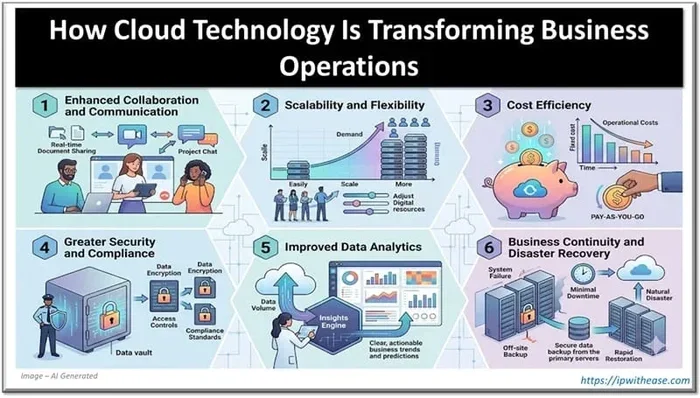
Running on-premise servers is expensive. Banks must buy hardware, maintain it, and hire teams to manage it. Cloud computing eliminates most of these costs. Banks pay only for what they use, which reduces spending on IT infrastructure significantly.
These cost savings free up budgets for innovation. Instead of spending millions on server maintenance, banks can invest in new customer-facing tools and services.
Scalability and Flexibility
Banks face unpredictable demand. During tax season or market crashes, their systems get hit with huge traffic spikes. Cloud infrastructure handles these surges effortlessly. Resources scale automatically to match demand.
This flexibility also helps banks launch new products quickly. A bank can test a new mobile banking feature in the cloud without building permanent infrastructure. If it works, they scale it up. If it does not, they shut it down with minimal loss.
Enhanced Security
Many people worry about moving banking data to the cloud. But modern cloud providers invest billions in security. They offer encryption, threat detection, and compliance certifications that most banks could never afford on their own.
Leading cloud platforms meet strict standards like PCI DSS and SOC 2. This helps banks meet their own regulatory compliance requirements more easily. Cloud-native security tools also detect threats in real time, making banking data safer than ever.
Better Customer Experience
Cloud computing enables real-time analytics. Banks can analyze customer behavior instantly and offer personalized services. This means faster loan approvals, smarter fraud detection, and smoother digital banking experiences.
Customers today expect instant responses. Cloud-powered banking technology delivers that speed. Whether someone is checking their balance on a phone app or applying for a mortgage online, the cloud makes it all feel effortless.
How Banks Are Using Cloud Technology
Cloud computing in banking is not just about storing data. Banks use it in many powerful ways to transform their daily operations and customer services.
Real-Time Fraud Detection
Banks process millions of transactions every day. Cloud-based analytics tools scan these transactions in real time to spot suspicious activity. Machine learning models run in the cloud can detect fraud patterns faster than any human team could.
This means customers get alerted about potential fraud within seconds. It also means fewer false positives, so legitimate transactions are not blocked unnecessarily.
Cloud-Native Banking Applications
Many banks are building new applications from the ground up for the cloud. These cloud-native banking applications are designed to take full advantage of cloud infrastructure. They are faster, more reliable, and easier to update than traditional software.
For example, a bank might build a cloud-native loan processing system. Customers fill out applications online, and the system approves or denies them in minutes. Behind the scenes, cloud services handle the heavy lifting of data processing and decision-making.
Disaster Recovery and Business Continuity
Banks cannot afford downtime. A few hours of system failure can cost millions and damage customer trust. Cloud-based disaster recovery solutions copy data across multiple locations worldwide.
If a data center goes offline, the cloud instantly shifts operations to another location. This ensures banking services stay running no matter what happens. It is one of the strongest reasons banks invest in cloud infrastructure.
Data Analytics and AI
The cloud gives banks access to massive computing power for data analytics. They can process huge datasets to understand market trends, customer preferences, and risk factors.
Artificial intelligence and machine learning models thrive in the cloud. Banks use these models for credit scoring, personalized recommendations, and chatbot customer service. Cloud computing makes all of this possible at scale.
Challenges and Security Considerations
Despite its many benefits, cloud computing in banking comes with challenges. Banks must navigate these carefully to ensure a smooth and secure transition.
Regulatory Compliance
The banking industry is one of the most regulated sectors in the world. Financial institutions must follow strict rules about data storage, privacy, and reporting. Moving to the cloud adds complexity to compliance efforts.
However, major cloud providers offer compliance tools and certifications designed specifically for financial services. Banks that choose the right cloud partner find that regulatory compliance becomes easier, not harder.
Data Privacy Concerns
Customers trust banks with their most sensitive information. Banks must ensure that cloud providers protect this data with the highest standards. Encryption, access controls, and regular audits are essential.
Banks also need to know where their data physically resides. Some regulations require data to stay within specific countries. Cloud providers offer regional data centers to meet these requirements.
Legacy System Integration
Many banks still rely on legacy systems that were built decades ago. Integrating these old systems with new cloud services is a major challenge. It requires careful planning and often a phased approach.
The best strategy is a hybrid cloud approach. Banks keep some critical systems on-premise while moving newer workloads to the cloud. Over time, they gradually replace legacy systems with modern, cloud-based alternatives.
Vendor Lock-In
Once a bank commits to a specific cloud provider, switching becomes difficult. This is called vendor lock-in. It can limit flexibility and increase costs over time.
To avoid this, banks should adopt a multi-cloud strategy. They use services from multiple cloud providers, which keeps their options open and reduces dependency on any single vendor.
Cloud Migration: What Banks Need to Know
Cloud migration is a complex process. Banks cannot just move everything to the cloud overnight. It requires strategy, planning, and the right team.
Step-by-Step Cloud Migration Process
Successful cloud migration follows a clear path. Here is what banks typically do:
- Assess Current Systems: Banks evaluate their existing IT infrastructure and identify what can move to the cloud.
- Set Clear Goals: They define what they want to achieve, whether it is cost savings, faster innovation, or better customer experience.
- Choose the Right Cloud Model: Banks decide between public cloud, private cloud, or hybrid cloud based on their needs.
- Start Small: They begin with less critical workloads and gradually move more important systems.
- Train the Team: Staff need training on cloud tools and best practices for cloud-native development.
- Monitor and Optimize: After migration, banks continuously monitor performance and optimize costs.
Choosing the Right Cloud Provider
Not all cloud providers are the same. Banks should look for providers with strong experience in financial services. Key factors include security certifications, compliance support, uptime guarantees, and pricing models.
AWS, Microsoft Azure, and Google Cloud all offer banking-specific solutions. Smaller providers like IBM Cloud and Oracle Cloud also serve the financial sector well. The best choice depends on each bank’s unique needs and existing technology stack.
The Future of Cloud Computing in Banking
The future of cloud computing in banking looks incredibly promising. New technologies and trends are shaping how financial institutions will use the cloud in the years ahead.
Hybrid and Multi-Cloud Strategies
Most banks are moving toward hybrid cloud or multi-cloud setups. This means they use a mix of private and public cloud services from different providers. This approach gives them the best of both worlds: control over sensitive data and the scalability of public clouds.
Multi-cloud strategies also reduce risk. If one provider has an outage, the bank can rely on another. This is especially important for banking operations that require 24/7 availability.
AI and Machine Learning at Scale
As cloud computing grows, so does the role of artificial intelligence in banking. Cloud platforms offer powerful AI and machine learning services that banks can use without building their own infrastructure.
In the future, expect to see AI-powered financial advisors, automated loan underwriting, and hyper-personalized banking experiences. All of these will run on cloud infrastructure, making them faster and more accessible.
Open Banking and Cloud APIs
Open banking is changing how financial institutions share data. Cloud-based APIs make it easy for banks to connect with fintech companies and third-party service providers.
This creates a more open and competitive banking ecosystem. Customers get access to better tools and services. Banks can innovate faster by partnering with fintech startups through cloud-based platforms.
Green Cloud Computing
Sustainability is becoming a priority for the banking sector. Cloud data centers are more energy-efficient than traditional bank data centers. By moving to the cloud, banks reduce their carbon footprint.
Major cloud providers are also investing in renewable energy. This makes cloud computing in banking not just a smart business move but also an environmentally responsible one.
Key Takeaways
- Faster Innovation: Cloud computing in banking enables rapid deployment of new services and features.
- Cost Efficiency: Banks save significantly on IT infrastructure by shifting to cloud platforms.
- Better Security: Modern cloud providers offer advanced security tools that often exceed on-premise capabilities.
- Scalable Growth: Cloud infrastructure allows banks to scale resources up or down based on demand.
- Improved Customer Experience: Real-time data processing powered by the cloud leads to faster, personalized banking.
- Regulatory Compliance: Cloud solutions help banks meet strict regulatory requirements more easily.
- Future-Proofing: Adopting cloud-native banking technology prepares institutions for upcoming digital disruptions.
Conclusion
Cloud computing in banking is revolutionizing the industry in profound ways. From cutting costs and boosting security to improving customer experience and enabling real-time analytics, the benefits are undeniable. Financial institutions that embrace cloud services position themselves for long-term success in an increasingly digital world.
The journey is not without challenges. Regulatory compliance, legacy system integration, and data privacy require careful attention. But with the right strategy and the right cloud partner, banks can navigate these obstacles and unlock the full potential of the cloud.
The future of banking is cloud-native. Banks that invest in cloud infrastructure today are building the foundation for tomorrow. Whether you are a banking professional, a fintech enthusiast, or a curious customer, understanding cloud computing in banking gives you a window into where the industry is headed.
The transformation is already underway. The question is not whether banks will move to the cloud, but how fast they will get there. And for customers, that means better, faster, and more secure banking experiences are coming soon.
Frequently Asked Questions
What is cloud computing in banking?
Cloud computing in banking refers to using remote servers and cloud services to store, manage, and process banking data and applications. Instead of relying on physical servers inside a bank, financial institutions use cloud infrastructure from providers like AWS, Azure, or Google Cloud to power their operations, improve efficiency, and serve customers better.
Is cloud computing safe for banking data?
Yes, cloud computing is safe for banking data when implemented correctly. Leading cloud providers invest heavily in security measures like encryption, threat detection, and compliance certifications. Banks that choose reputable providers and follow best practices for data security can ensure their sensitive information remains protected at all times.
How does cloud computing reduce costs for banks?
Cloud computing reduces costs by eliminating the need for expensive on-premise hardware and data centers. Banks pay only for the cloud resources they use, which shifts IT spending from capital expenses to operational expenses. This model also reduces maintenance costs and allows banks to scale resources up or down based on demand, avoiding waste.
What is a hybrid cloud strategy in banking?
A hybrid cloud strategy combines private cloud infrastructure with public cloud services. Banks keep sensitive data and critical systems on their own private cloud while using public cloud resources for less sensitive workloads. This approach gives banks the security of on-premise systems with the scalability and flexibility of the public cloud, making it ideal for financial institutions with strict compliance requirements.
How are banks using cloud computing for fraud detection?
Banks use cloud-based analytics and machine learning tools to detect fraud in real time. Cloud platforms process millions of transactions instantly, scanning for unusual patterns and flagging suspicious activity. This allows banks to alert customers immediately and block fraudulent transactions before they cause damage, making banking much safer for everyone.
What challenges do banks face when adopting cloud computing?
Banks face several challenges when adopting cloud computing, including regulatory compliance, legacy system integration, data privacy concerns, and the risk of vendor lock-in. Migrating from old on-premise systems to the cloud requires careful planning and a phased approach. However, with the right strategy and a trusted cloud provider, most of these challenges can be managed effectively.