Which Statement Describes Characteristics of Cloud Computing
Cloud computing delivers computing services over the internet, including storage, servers, and software. The five core characteristics of cloud computing include on-demand self-service, broad network access, resource pooling, rapid elasticity, and measured service. Understanding these traits helps businesses choose the right cloud strategy for their needs.
Cloud computing has transformed the way businesses and individuals use technology. Instead of owning and maintaining physical servers, you can access computing resources over the internet. But what exactly makes cloud computing different from traditional IT? The answer lies in its defining characteristics.
When you hear people talk about the cloud, they are usually referring to services like Google Drive, Netflix, or AWS. These platforms all share common traits that set them apart from older computing methods. Understanding the characteristics of cloud computing helps you make smarter decisions about technology.
In this article, we will break down every key trait of cloud computing in simple terms. You will learn what makes cloud services unique, how they work, and why they matter for businesses of all sizes. Whether you are a beginner or a tech professional, this guide will give you a clear picture of what cloud computing really is.
Key Takeaways
- On-demand self-service: Users can provision resources without human intervention from the provider.
- Broad network access: Cloud services are available over the network and accessible through standard mechanisms.
- Resource pooling: Multiple customers share the same physical infrastructure through multi-tenancy.
- Rapid elasticity: Resources can scale up or down quickly based on demand.
- Measured service: Cloud usage is monitored, controlled, and reported, enabling a pay-as-you-go model.
- Cloud service models: IaaS, PaaS, and SaaS offer different levels of control and management.
- Deployment models matter: Public, private, and hybrid clouds serve different business needs.
📑 Table of Contents
- What Is Cloud Computing?
- Key Characteristics of Cloud Computing
- Cloud Service Models Explained
- Cloud Deployment Models
- Why Understanding Cloud Characteristics Matters
- Common Misconceptions About Cloud Computing
- Practical Tips for Getting Started with Cloud Computing
- The Future of Cloud Computing
- Conclusion
What Is Cloud Computing?
Cloud computing is the delivery of computing services over the internet. These services include storage, databases, servers, networking, software, and analytics. Instead of buying and maintaining physical hardware, you rent access to these resources from a cloud provider.
The concept is similar to how you use electricity. You do not build your own power plant. You simply plug into the grid and pay for what you use. Cloud computing works the same way. You access computing power on demand and pay only for what you consume.
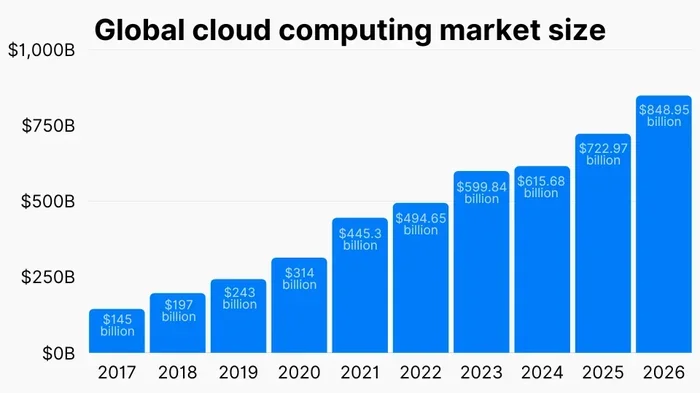
This model has grown rapidly over the past decade. Today, millions of businesses rely on cloud services to run their operations. From small startups to large enterprises, cloud computing offers flexibility and cost savings that traditional IT cannot match.
Key Characteristics of Cloud Computing
The National Institute of Standards and Technology (NIST) defines five essential characteristics of cloud computing. These traits are what distinguish true cloud services from other forms of hosted computing. Let us explore each one in detail.
On-Demand Self-Service
This is one of the most important characteristics of cloud computing. With on-demand self-service, users can access computing resources without needing to interact with a human provider. You can sign up, configure, and start using services all by yourself through a web portal.
For example, if you need more storage space on Google Drive, you simply go to your account settings and upgrade. No support ticket is needed. No phone call to IT. The system handles everything automatically. This self-service model saves time and removes bottlenecks.
Broad Network Access
Cloud services are available over the network and can be accessed through standard mechanisms. This means you can use any device, anywhere, as long as you have an internet connection. Whether you are on a laptop, tablet, or smartphone, cloud services work seamlessly.
This characteristic is especially valuable for remote teams. Employees can access company files and applications from home, coffee shops, or even different countries. Broad network access ensures that cloud resources are always within reach.
Resource Pooling
Cloud providers use a multi-tenant model to serve multiple customers simultaneously. Physical and virtual resources are pooled together and dynamically assigned based on demand. You do not know exactly where your data is stored, but it is there when you need it.
Think of it like a shared apartment building. Many people live in the same building, but each person has their own private space. Resource pooling allows cloud providers to use their infrastructure efficiently, which keeps costs low for everyone.
Rapid Elasticity
One of the most powerful characteristics of cloud computing is rapid elasticity. Resources can be scaled up or down quickly and automatically based on demand. If your website suddenly gets a surge of traffic, the cloud can handle it without crashing.
For instance, during a major sale event, an e-commerce site might see ten times the normal traffic. With cloud elasticity, extra servers are spun up instantly to handle the load. After the event, those resources are released. This flexibility prevents both downtime and wasted spending.
Measured Service
Cloud systems automatically control and optimize resource usage through metering. Every service is monitored, and you are billed based on actual consumption. This is the foundation of the pay-as-you-go pricing model.
You only pay for what you use, just like a utility bill. If you use 10 gigabytes of storage in a month, you pay for those 10 gigabytes. Measured service brings transparency and cost control to IT spending.
Cloud Service Models Explained
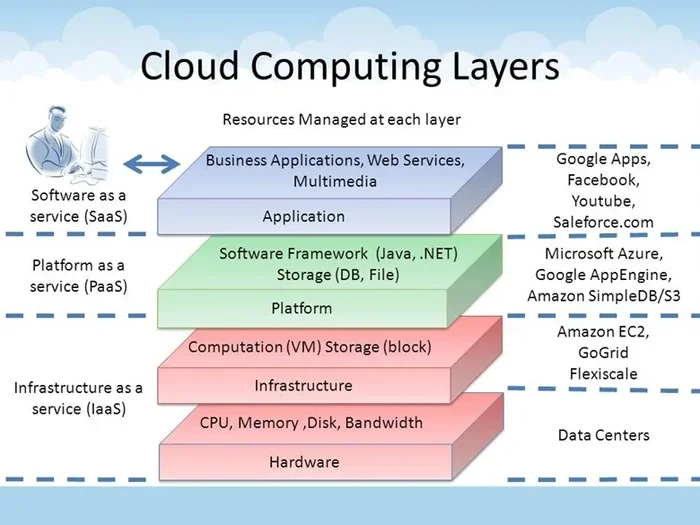
Cloud computing offers different service models that determine how much control you have over your resources. The three main models are Infrastructure as a Service, Platform as a Service, and Software as a Service.
Infrastructure as a Service (IaaS)
IaaS provides the most basic level of cloud computing. You rent virtual machines, storage, and networking resources. You manage the operating system, applications, and data. The provider manages the physical hardware.
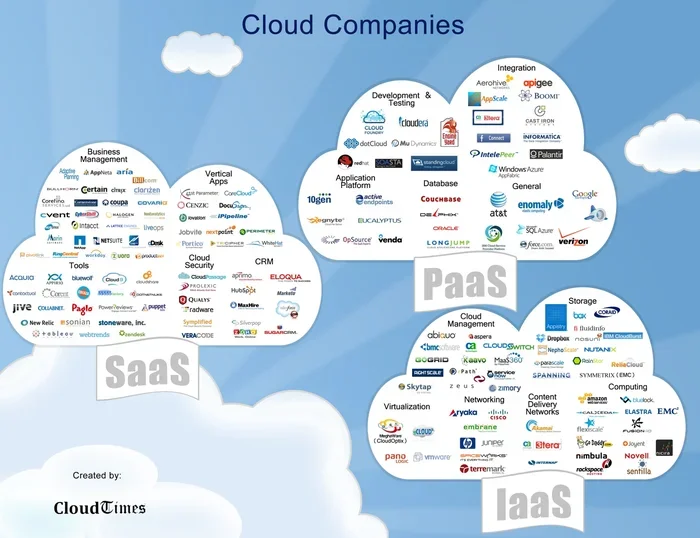
Amazon Web Services (AWS) EC2 and Microsoft Azure Virtual Machines are popular IaaS examples. IaaS gives you the most flexibility but also requires the most technical skill to manage.
Platform as a Service (PaaS)
PaaS provides a platform for developing, testing, and deploying applications. You focus on writing code, while the provider handles the underlying infrastructure, operating system, and middleware.
Google App Engine and Heroku are well-known PaaS platforms. PaaS is ideal for developers who want to build applications without worrying about server management.
Software as a Service (SaaS)
SaaS delivers fully functional software applications over the internet. You do not need to install or maintain anything. You simply log in and use the application through your browser.
Examples include Gmail, Salesforce, and Microsoft 365. SaaS is the easiest cloud model to use because the provider handles all the technical details behind the scenes.
Cloud Deployment Models
Cloud computing can be deployed in different ways depending on your needs. The four main deployment models are public cloud, private cloud, community cloud, and hybrid cloud.
Public Cloud
A public cloud is owned and operated by a third-party provider. Resources are shared across multiple customers. Public clouds offer the lowest cost and highest scalability. AWS, Google Cloud, and Microsoft Azure are all public cloud providers.
Public clouds are great for startups and small businesses that want to avoid the cost of building their own infrastructure.
Private Cloud
A private cloud is dedicated to a single organization. It can be hosted on-premises or by a third party. Private clouds offer greater control and security but come at a higher cost.
Large enterprises and government agencies often prefer private clouds because they need strict control over their data.
Hybrid Cloud
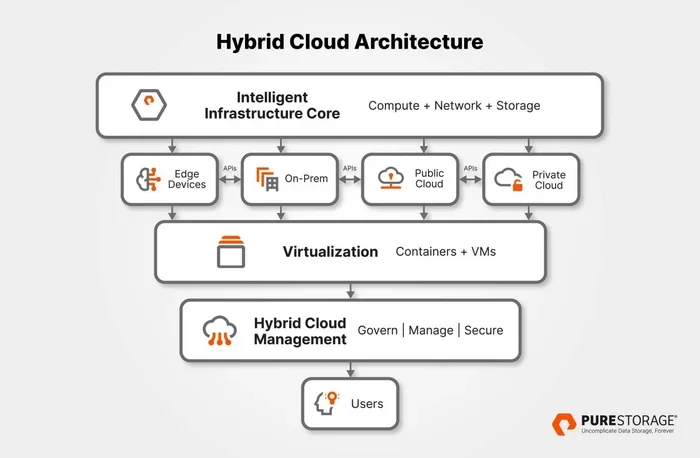
A hybrid cloud combines public and private clouds. You can keep sensitive data on a private cloud while using the public cloud for less critical workloads. This model offers the best of both worlds.
Hybrid clouds are increasingly popular because they give businesses flexibility and cost efficiency.
Why Understanding Cloud Characteristics Matters
Knowing the characteristics of cloud computing is not just academic. It has real-world implications for how you design, deploy, and manage technology. Let us look at why this knowledge matters.
First, it helps you choose the right cloud provider. Not all cloud services offer the same level of elasticity or self-service. By understanding what to look for, you can avoid costly mistakes.
Second, it helps you optimize costs. The measured service characteristic means you can track your usage and identify waste. Cloud cost optimization is a major concern for businesses today, and understanding these traits is the first step.
Third, it helps you plan for growth. Rapid elasticity means your infrastructure can grow with your business. You do not need to predict traffic years in advance. The cloud adapts in real time.
Finally, it helps you ensure security and compliance. Knowing how resource pooling and multi-tenancy work allows you to ask the right questions of your provider. Security in the cloud is a shared responsibility, and understanding the model is key.
Common Misconceptions About Cloud Computing
There are several myths about cloud computing that can lead to confusion. Let us clear up a few of the most common ones.
One myth is that cloud computing is not secure. In reality, major cloud providers invest billions in security measures. Cloud security is often stronger than what most organizations can build on their own.
Another myth is that cloud computing is only for big companies. In fact, cloud services are highly accessible for small businesses and even individuals. The pay-as-you-go model makes it affordable for everyone.
Some people also believe that cloud computing means losing control. While you do not control the physical hardware, you still have full control over your data and applications. Cloud computing shifts the management burden, not the ownership.
Practical Tips for Getting Started with Cloud Computing
If you are new to cloud computing, here are some practical tips to help you get started on the right foot.
- Start small. Begin with a simple service like cloud storage or a basic virtual machine. Get comfortable before moving to more complex workloads.
- Set a budget. The pay-as-you-go model is great, but costs can add up quickly. Set spending limits and monitor your usage regularly.
- Learn the basics. Understand the five characteristics of cloud computing and the different service models. This knowledge will guide your decisions.
- Choose the right provider. Compare providers based on pricing, features, security, and support. AWS, Azure, and Google Cloud are the top three, but there are many other options.
- Train your team. Cloud computing requires new skills. Invest in training for your IT team to get the most out of your cloud investment.
- Use automation tools. Cloud platforms offer tools for automating deployment, scaling, and monitoring. Use them to save time and reduce errors.
The Future of Cloud Computing
Cloud computing continues to evolve at a fast pace. New technologies like artificial intelligence, edge computing, and serverless architectures are reshaping the landscape. These innovations build on the core characteristics of cloud computing and push the boundaries even further.
Edge computing, for example, brings cloud capabilities closer to the user. This reduces latency and improves performance for applications like autonomous vehicles and IoT devices. The future of cloud computing is exciting and full of possibility.
As more businesses move to the cloud, the demand for skilled professionals will continue to grow. Understanding cloud computing characteristics is no longer optional. It is a fundamental skill for anyone working in technology today.
Cloud computing is not just a trend. It is the foundation of modern IT. By mastering its characteristics, you position yourself and your business for long-term success.
Conclusion
The characteristics of cloud computing define what makes it unique and powerful. From on-demand self-service to measured service, each trait plays a vital role in delivering the flexibility and efficiency that businesses need. Understanding these characteristics helps you make informed decisions about your technology strategy.
Whether you are exploring IaaS, PaaS, or SaaS, or deciding between public, private, and hybrid clouds, the core principles remain the same. Cloud computing is all about delivering the right resources at the right time, and doing so efficiently and cost-effectively.
Take what you have learned from this guide and apply it to your own cloud journey. Start small, keep learning, and always ask questions. The cloud is a powerful tool, and knowing its characteristics is the key to unlocking its full potential.
Frequently Asked Questions
What are the five characteristics of cloud computing?
The five characteristics defined by NIST are on-demand self-service, broad network access, resource pooling, rapid elasticity, and measured service. These traits distinguish true cloud computing from other forms of hosted services.
Why is cloud computing called cloud computing?
The term “cloud” is used as a metaphor for the internet. In the early days of network diagrams, the internet was represented as a cloud shape. Cloud computing simply means computing services delivered over that cloud, or the internet.
Is cloud computing safe for sensitive data?
Yes, major cloud providers invest heavily in security. They use encryption, access controls, and compliance certifications. However, security is a shared responsibility between the provider and the user. You must follow best practices to keep your data safe.
What is the difference between IaaS, PaaS, and SaaS?
IaaS gives you the most control over infrastructure. PaaS provides a platform for building applications. SaaS delivers ready-to-use software. Each model offers a different level of management and flexibility.
Can small businesses benefit from cloud computing?
Absolutely. Cloud computing is highly accessible and affordable for businesses of all sizes. Small businesses can use cloud services to access enterprise-level technology without the high upfront costs of traditional IT.
How does the pay-as-you-go model work in cloud computing?
With the pay-as-you-go model, you are billed only for the resources you actually use. Cloud systems monitor and measure your usage automatically. This means you pay for storage, computing power, or bandwidth based on real consumption.
=== META TITLE ===
Which Statement Describes Characteristics of Cloud Computing?
=== SEO TITLE ===
Which Statement Describes Characteristics of Cloud Computing?
=== URL SLUG ===
/which-statement-describes-characteristics-of-cloud-computing