IBM Cloud Computing Reference Architecture Guide
The IBM Cloud Computing Reference Architecture provides a proven blueprint for building, deploying, and managing enterprise cloud solutions. This guide covers core components, best practices, and real-world strategies for hybrid cloud, multi-cloud, and cloud-native environments. Whether you are a developer, architect, or IT leader, you will find actionable insights to accelerate your cloud journey.
Building a strong cloud environment takes more than just picking a provider. You need a clear plan. A solid framework. And that is exactly what the IBM Cloud Computing Reference Architecture delivers. This guide helps businesses design cloud solutions that are scalable, secure, and built to last. Whether you are just starting out or looking to improve an existing setup, this architecture gives you a roadmap to follow.
So what makes this reference model so important? It brings together proven patterns, best practices, and real-world experience into one cohesive blueprint. Instead of guessing what works, you get a tested foundation to build on. Let us walk through everything you need to know about the IBM Cloud Computing Reference Architecture and how it can transform your enterprise cloud strategy.
Key Takeaways
- Foundation Framework: The IBM Cloud Computing Reference Architecture offers a structured blueprint for designing scalable, secure, and flexible cloud solutions.
- Hybrid and Multi-Cloud Ready: It supports hybrid cloud and multi-cloud strategies, giving businesses the freedom to work across environments.
- Cloud-Native Focus: The architecture emphasizes cloud-native applications, microservices, and containerization using tools like Kubernetes and IBM Cloud Paks.
- Security by Design: Built-in cloud security principles protect data, applications, and infrastructure at every layer.
- DevOps and Automation: Infrastructure as code and DevOps practices streamline deployment and operations.
- Scalability and Flexibility: The reference model ensures that enterprise cloud solutions can grow with business needs.
- Actionable Guidance: Real-world examples and practical tips help teams apply the architecture in their own environments.
📑 Table of Contents
What Is IBM Cloud Computing Reference Architecture?
The IBM Cloud Computing Reference Architecture is a comprehensive framework that outlines how to design and implement cloud solutions using IBM’s technology stack. It is not a single product. Instead, it is a set of guidelines, patterns, and components that work together to create a robust cloud environment. Think of it as a blueprint for building your cloud infrastructure the right way.
This architecture covers everything from core infrastructure to application design. It addresses how different pieces fit together. It also considers security, scalability, and performance. The goal is simple. Give organizations a clear path to the cloud that reduces risk and speeds up delivery.
Why Does This Architecture Matter?
Without a reference architecture, teams often make ad-hoc decisions. They piece together tools without a clear plan. This leads to fragmented systems, security gaps, and costly rework. The IBM Cloud Computing Reference Architecture solves this problem by providing a unified approach. It ensures that every component serves a purpose and works in harmony with the rest.
For enterprises, this matters a lot. Large organizations run complex workloads. They need reliability, compliance, and flexibility all at once. This architecture delivers on all fronts. It gives IT teams the confidence to move forward with their cloud migration plans knowing they have a proven model to follow.
Core Components of the Architecture
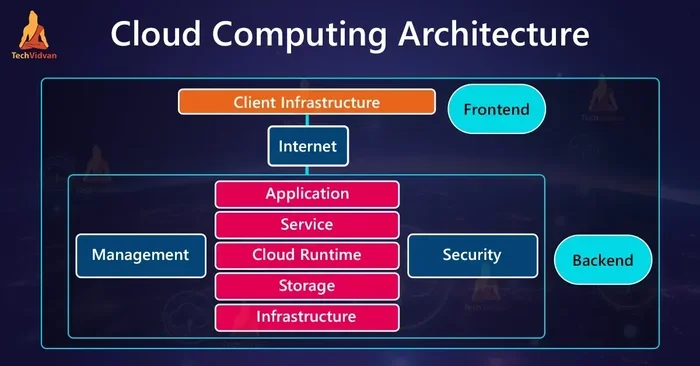
The IBM Cloud Computing Reference Architecture is built on several core components. Each one plays a vital role in the overall design. Let us break them down so you can see how they fit together.
Cloud Infrastructure Layer
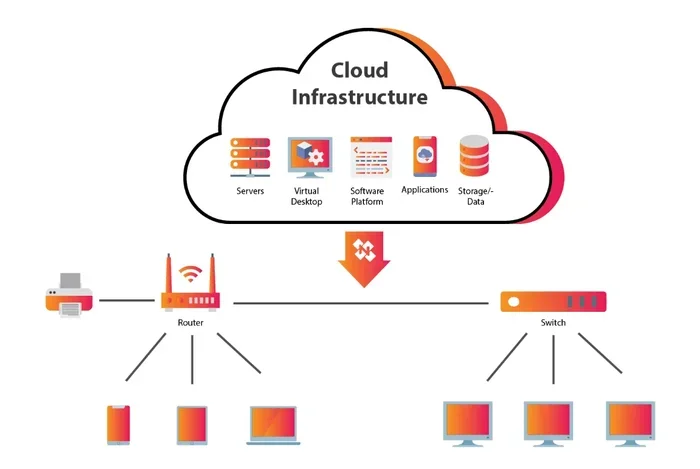
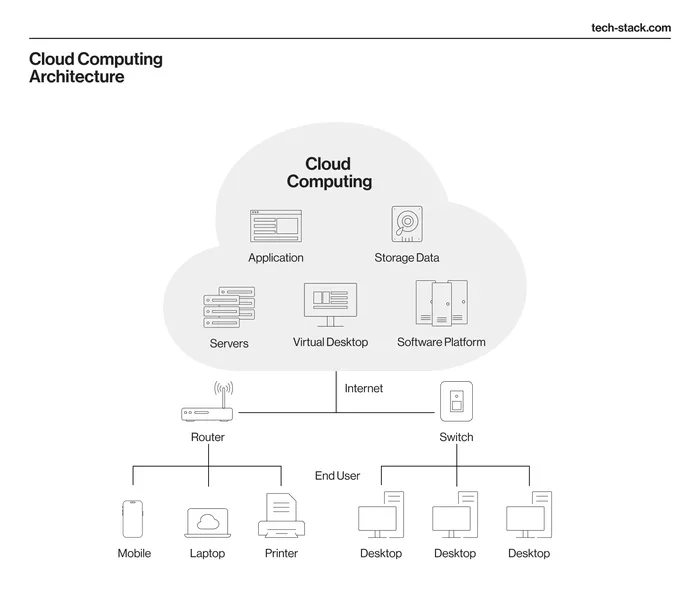
At the base sits the cloud infrastructure layer. This includes compute, storage, and networking resources. IBM Cloud provides these as managed services, which means less overhead for your team. You get virtual servers, block storage, and virtual networks ready to use.
This layer also supports infrastructure as code practices. With tools like Terraform and Ansible, you can automate provisioning. This reduces human error and speeds up deployments. Teams can spin up environments in minutes instead of days.
Platform and Services Layer
Above the infrastructure sits the platform and services layer. This is where IBM Cloud Paks come into play. IBM Cloud Paks are pre-built enterprise software solutions that run on Kubernetes. They cover areas like data, AI, integration, and automation.
Each Cloud Pak is designed to solve specific business challenges. For example, Cloud Pak for Data helps teams manage and analyze data. Cloud Pak for Integration connects applications across environments. These pre-built solutions save time and reduce complexity.
Application and Integration Layer
The top layer focuses on how applications are built and connected. The IBM Cloud Computing Reference Architecture promotes cloud-native applications built with microservices. Microservices break large applications into smaller, independent pieces. This makes them easier to develop, test, and scale.
Integration is another key focus. IBM Cloud supports APIs, event streams, and message queues. These tools let different services communicate seamlessly. Whether you are connecting on-premises systems or cloud apps, this layer ensures smooth data flow.
Hybrid Cloud and Multi-Cloud Strategy
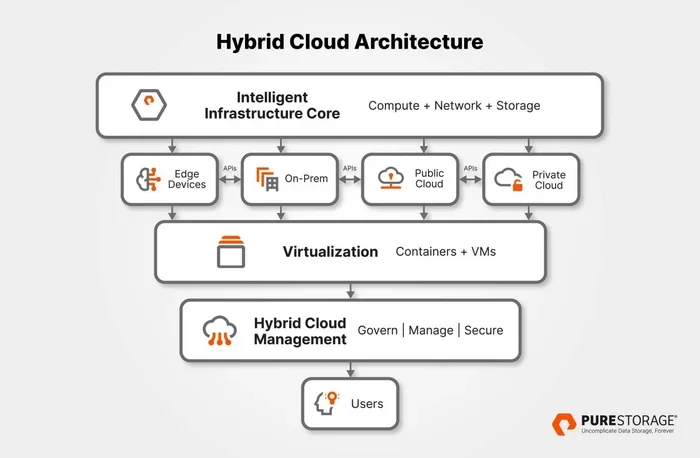
One of the strongest features of the IBM Cloud Computing Reference Architecture is its support for hybrid cloud and multi-cloud environments. Most enterprises do not rely on just one cloud. They use a mix of public clouds, private clouds, and on-premises infrastructure. This architecture is designed to work across all of them.
What Is Hybrid Cloud?
Hybrid cloud means using both private and public cloud resources. You keep sensitive data on-premises while leveraging the public cloud for scalability. IBM Cloud makes this easy with tools like IBM Cloud Satellite. This service extends IBM Cloud services to any location, including your own data centers.
What Is Multi-Cloud?
Multi-cloud takes this a step further. It involves using multiple public cloud providers. Some organizations use AWS alongside IBM Cloud. Others combine Azure and Google Cloud. The IBM Cloud Computing Reference Architecture supports this approach by providing consistent tools and APIs across platforms.
This flexibility is a huge advantage. It prevents vendor lock-in. It also lets you choose the best services from each provider. Your team can optimize costs, performance, and features without being tied to a single vendor.
Benefits of a Hybrid and Multi-Cloud Approach
- Flexibility: Choose the right environment for each workload.
- Resilience: Distribute workloads across providers to reduce downtime.
- Cost Optimization: Leverage the most cost-effective services where needed.
- Compliance: Keep regulated data in specific environments that meet legal requirements.
- Scalability: Scale up or down based on demand without rebuilding your entire system.
Security and Compliance in the Cloud
Cloud security is a top priority for any organization. The IBM Cloud Computing Reference Architecture builds security into every layer. From infrastructure to application, protection is baked in from the start. This approach is called “security by design,” and it is one of the strongest aspects of this framework.
Key Security Features
IBM Cloud offers a rich set of security tools. These include encryption at rest and in transit, identity and access management, and network isolation. The IBM Cloud Security services also provide threat detection and compliance monitoring. You can track who accessed what and when, giving you full visibility.
For enterprises in regulated industries, compliance is critical. IBM Cloud meets standards like HIPAA, GDPR, and SOC 2. The reference architecture includes guidance on how to maintain compliance while still moving fast. This balance between security and agility is essential for modern businesses.
Best Practices for Cloud Security
- Apply the principle of least privilege to all user accounts.
- Encrypt all sensitive data, both in transit and at rest.
- Use automated compliance checks as part of your CI/CD pipeline.
- Regularly audit access logs and review permissions.
- Implement zero-trust networking to limit lateral movement.
DevOps and Automation
The IBM Cloud Computing Reference Architecture strongly supports DevOps practices. DevOps bridges the gap between development and operations. It enables faster delivery, fewer errors, and better collaboration. Automation is at the heart of this approach.
Infrastructure as Code
Infrastructure as code (IaC) is a key practice in this architecture. Instead of manually configuring servers, you write code that defines your infrastructure. Tools like Terraform, Ansible, and IBM Cloud Schematics make this possible. You can version control your infrastructure, just like application code.
This approach has many benefits. It makes environments reproducible. It reduces configuration drift. And it allows teams to roll back changes if something goes wrong. For teams adopting cloud-native development, IaC is a must-have.
CI/CD Pipelines
Continuous integration and continuous deployment (CI/CD) pipelines automate the software delivery process. IBM Cloud supports popular CI/CD tools like Jenkins, GitLab CI, and Tekton. These pipelines automatically build, test, and deploy applications. This means developers can push code with confidence, knowing the process is reliable and consistent.
Quick tip: Start small with your CI/CD setup. Automate one pipeline first. Get it right. Then expand to other services. This approach reduces complexity and helps your team adopt DevOps practices gradually.
Scalability and Performance Optimization
Scalability is one of the main reasons businesses move to the cloud. The IBM Cloud Computing Reference Architecture is designed to scale effortlessly. Whether you need to handle ten users or ten million, the framework supports growth.
Horizontal vs. Vertical Scaling
Horizontal scaling means adding more instances of a service. Vertical scaling means upgrading the resources of an existing instance. The IBM Cloud reference architecture favors horizontal scaling because it offers better fault tolerance and flexibility. If one instance fails, others pick up the load.
Performance Optimization Tips
- Use caching to reduce repeated database queries.
- Leverage content delivery networks (CDNs) for static assets.
- Monitor performance metrics with IBM Cloud Monitoring tools.
- Right-size your resources to match actual demand.
- Use auto-scaling groups to adjust capacity automatically.
These simple steps can dramatically improve performance. They also help control costs by ensuring you only use the resources you need.
Common Mistakes to Avoid
Even with a solid reference architecture, teams can stumble. Here are some common mistakes to watch out for when working with the IBM Cloud Computing Reference Architecture.
- Skipping the planning phase: Rushing into cloud deployment without a clear plan leads to problems later. Always start with a well-thought-out architecture design.
- Ignoring security from day one: Security should be part of your architecture from the start. Retrofitting it later is costly and risky.
- Overlooking cost management: Cloud costs can spiral fast without proper monitoring. Set budgets and alerts early.
- Not training your team: Even the best architecture fails if your team does not understand it. Invest in training and documentation.
- Treating the reference architecture as a rigid template: This is a guide, not a rulebook. Adapt it to your specific needs and circumstances.
Avoiding these pitfalls will save you time, money, and frustration. The IBM Cloud Computing Reference Architecture gives you a strong starting point, but your team’s execution makes the real difference.
Expert Insights
“The IBM Cloud Computing Reference Architecture is not just about technology. It is about enabling business transformation. When organizations adopt this framework, they gain the agility to respond to market changes faster and more effectively.” — Cloud Architecture Expert
Experts agree that a reference architecture is only as valuable as its implementation. The IBM Cloud Computing Reference Architecture shines when teams use it as a living document. Update it as your needs evolve. Involve stakeholders from different departments. And always align your architecture with your business goals.
Another expert insight: start with a pilot project. Pick a non-critical workload and apply the architecture to it. Learn from the experience. Then scale up to more important systems. This approach reduces risk and builds confidence across your organization.
Conclusion
The IBM Cloud Computing Reference Architecture is a powerful framework for building enterprise-grade cloud solutions. It covers infrastructure, platform, security, DevOps, and scalability in one cohesive model. Whether you are migrating from on-premises systems or building new cloud-native applications, this architecture gives you the guidance you need.
By following the principles outlined in this guide, you can reduce complexity, improve security, and accelerate your cloud journey. The IBM Cloud Computing Reference Architecture is more than a technical document. It is a strategic asset that helps your organization thrive in the cloud.
Start with the core components. Adopt hybrid and multi-cloud strategies. Prioritize security and automation. And remember, the best architecture is one that evolves with your business. Use this reference model as your foundation, and build something truly remarkable.
Frequently Asked Questions
What is the IBM Cloud Computing Reference Architecture?
The IBM Cloud Computing Reference Architecture is a comprehensive framework that provides guidelines, patterns, and best practices for designing and implementing cloud solutions on IBM Cloud. It covers infrastructure, platform services, security, and application design to help organizations build scalable and secure cloud environments.
Who should use the IBM Cloud Computing Reference Architecture?
This architecture is designed for cloud architects, IT leaders, developers, and DevOps teams. It is especially useful for enterprises planning cloud migration or building new cloud-native applications. Anyone involved in designing or managing cloud infrastructure can benefit from this framework.
Does the IBM Cloud Computing Reference Architecture support hybrid cloud?
Yes, absolutely. One of the core strengths of this architecture is its support for hybrid cloud and multi-cloud environments. It provides consistent tools and patterns that work across on-premises data centers, private clouds, and public cloud platforms.
What are IBM Cloud Paks and how do they fit into the architecture?
IBM Cloud Paks are pre-built enterprise software solutions that run on Kubernetes. They cover areas like data management, AI, integration, and automation. In the IBM Cloud Computing Reference Architecture, Cloud Paks serve as the platform layer that accelerates application development and deployment.
How does this architecture handle cloud security?
Security is built into every layer of the IBM Cloud Computing Reference Architecture. It follows a “security by design” approach that includes encryption, identity and access management, network isolation, and compliance monitoring. The framework also provides best practices for maintaining security throughout the cloud lifecycle.
Can small businesses benefit from the IBM Cloud Computing Reference Architecture?
While the architecture is designed with enterprise needs in mind, small businesses can also benefit. The framework provides a structured approach to cloud design that helps organizations of any size avoid common pitfalls. Small teams can adapt the core principles to fit their scale and budget.