Cloud Computing Carbon Footprint What You Need to Know
The cloud computing carbon footprint is a growing concern as our digital lives expand. This guide explains how data centers impact the environment and what you can do about it. You will learn practical steps to lower your digital carbon footprint and support sustainable IT practices.
The cloud computing carbon footprint is a topic that affects everyone who uses the internet. Every time you stream a video or send an email, data travels through massive facilities. These facilities consume incredible amounts of electricity. Understanding this impact is the first step toward a greener digital world. Let us explore what this means for you and our planet.
Many people think the cloud is completely clean and invisible. However, the reality is quite different. The servers that power the cloud generate significant carbon emissions. As our reliance on digital transformation grows, so does the strain on our energy grids. It is time we look closer at the true cost of our online habits. The invisible nature of the cloud makes it easy to forget the physical machines doing all the heavy lifting.
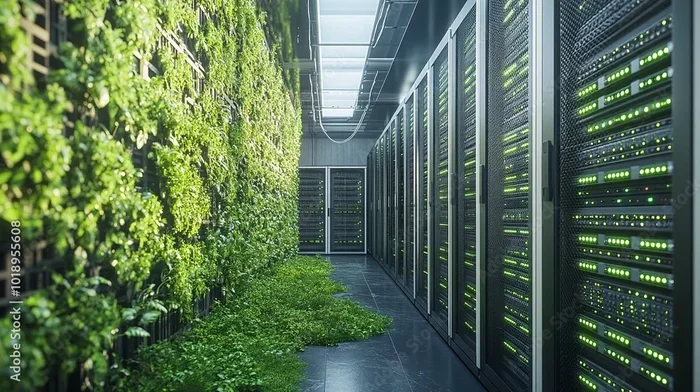
These machines live in enormous warehouses called data centers. Inside these server farms, thousands of computers run without stopping. They need constant power to function and stay cool. This constant demand drives up energy consumption at a staggering rate. We must understand that the cloud is not a magical place in the sky. It is a very physical, very tangible part of our world with a very real environmental impact.
Key Takeaways
- Data centers consume massive energy: Server farms require huge amounts of power, contributing significantly to carbon emissions.
- Cloud providers are shifting to renewables: Major tech companies are investing heavily in green cloud initiatives and carbon neutral goals.
- You can make a difference: Simple actions like optimizing cloud infrastructure can drastically reduce your environmental impact.
- Virtualization is key: Using virtualization helps maximize server efficiency and lowers overall energy consumption.
- Sustainable IT is the future: Green computing and ecological awareness are becoming standard in digital transformation.
📑 Table of Contents
Understanding the cloud computing carbon footprint
What Is a Digital Carbon Footprint?
Your digital carbon footprint comes from the energy used by devices and networks. When you use cloud services, you rely on data centers. These server farms run 24/7 to keep your information accessible. The energy consumption involved is enormous. Cooling these hot rooms requires even more power. This continuous cycle creates a heavy environmental impact that is hard to ignore.
To put it simply, every gigabyte of data stored has a physical weight in terms of energy. The cloud computing carbon footprint is not just about electricity. It also involves the manufacturing of hardware and the water used to cool the machines. We must acknowledge these facts to move forward. The hardware inside these centers contains rare earth metals and plastics. Mining and manufacturing these materials also takes a toll on the earth. So, the footprint starts long before the server ever turns on.
Furthermore, the lifespan of this hardware is relatively short. Servers must be replaced every few years to keep up with demand. This creates electronic waste that often ends up in landfills. The full lifecycle of cloud infrastructure contributes heavily to the overall ecological impact. It is a cycle that requires careful attention and smart solutions.
The Environmental Impact of Data Centers
Energy Consumption in Server Farms
Hyperscale data centers use as much electricity as small cities. They rely on constant energy efficiency measures to survive. Without proper cooling, servers overheat and fail. Traditionally, this has meant relying on fossil fuels. The power usage effectiveness metric helps measure how efficiently a center uses energy. A lower PUE means less wasted electricity.
However, many older centers still have high PUE scores. This means they waste a lot of power on cooling rather than computing. Switching to modern cloud infrastructure can help lower this waste. Newer designs use advanced air cooling and smart systems to reduce carbon emissions. The shift from traditional IT to modern cloud setups is not just about speed. It is also about using less energy per task.
When a company moves its operations to the cloud, it shares resources with others. This sharing, called multi-tenancy, is a key benefit. Instead of running your own small, inefficient servers, you tap into a massive, optimized network. This drastically improves energy efficiency across the board. Less wasted power means a smaller carbon footprint for everyone involved.
Water Usage and Cooling
Water is another hidden cost of the cloud. Data centers use vast amounts of water for evaporative cooling. This can strain local water supplies, especially in dry regions. The ecological impact goes beyond just carbon. It affects entire ecosystems around these facilities. Finding better ways to cool servers is a top priority for green computing advocates.
Some newer facilities are experimenting with outside air cooling in colder climates. Others are placing servers underwater to use the ocean as a natural coolant. These innovations are exciting and show real promise. They prove that we can reduce water usage while still maintaining powerful cloud computing capabilities. Every drop of water saved helps protect local wildlife and communities.
How Cloud Providers Are Going Green
Renewable Energy Investments
Major cloud providers know they must change. Companies like Google and Microsoft are investing heavily in renewable energy. They are building wind and solar farms to power their networks. This shift is crucial for reducing the overall cloud computing carbon footprint. By choosing providers committed to clean power, you support sustainable IT.
These companies are also working to become carbon neutral. They purchase offsets and invest in environmental projects. While this is a step in the right direction, it is not the only solution. True green cloud practices must start at the source of energy production. Buying offsets is good, but actually preventing emissions is even better.
The best providers are now building their own solar and wind plants. This ensures that the power running their server farms is genuinely clean. They are also investing in grid-scale battery storage. This stores excess renewable energy for use during peak times. This smart approach keeps the lights on without burning fossil fuels.
Carbon Neutral Goals and Innovation
Many tech giants have set ambitious carbon neutral targets. They aim to match their energy use with 100 percent renewable sources. Some are even exploring nuclear energy to power their data centers. These innovations show that reducing carbon emissions is possible with enough investment. The race is on to make digital transformation truly sustainable.
Artificial intelligence is also playing a role in this green shift. AI algorithms can predict energy demand and adjust cooling systems automatically. This means fans and chillers only run when absolutely necessary. It is a brilliant way to boost energy efficiency without sacrificing performance. The marriage of AI and green cloud is a powerful force for good.
Quick Tips to Reduce Your Cloud Footprint
Optimize Your Cloud Infrastructure
You can take action right now. Start by auditing your current cloud usage. Delete old data you no longer need. This reduces the load on data centers. Next, use virtualization to consolidate workloads. Running fewer, more efficient servers cuts down on wasted electricity. Energy efficiency is everyone’s responsibility.
Here are a few quick tips to remember:
- Delete unused storage and backups regularly.
- Choose regions with cooler climates for your servers.
- Use automated shutdowns for non-essential workloads.
- Select cloud providers with strong green policies.
- Right-size your virtual machines to match actual demand.
- Enable auto-scaling to handle traffic spikes efficiently.
Choose the Right Cloud Providers
Not all providers are equal in their environmental impact. Look for those who publish their sustainability reports. Check if they use renewable energy for their operations. Ask about their carbon offsetting programs. Making informed choices helps drive the market toward green cloud solutions. Your wallet is a powerful tool for change.
When you compare providers, look beyond just the price. Consider their commitment to sustainable IT. Do they publish clear goals for reducing emissions? Are they transparent about their energy sources? These questions matter. By supporting the green leaders, you encourage the rest of the industry to follow suit.
Common Mistakes Companies Make
Ignoring Virtualization Benefits
One of the biggest mistakes is running physical servers when virtualization is available. Physical machines sit idle most of the time. This wastes both money and electricity. By moving to virtual machines, companies can run multiple systems on one physical server. This drastically lowers the cloud computing carbon footprint of an organization.
Virtualization allows for better resource allocation. Instead of ten idle physical servers, you might run ten virtual machines on one physical box. This means 90 percent less hardware drawing power. It is a simple concept with massive results. Embracing virtualization is one of the easiest steps toward green computing.
Over-Provisioning Resources
Another common error is allocating too much computing power. Many people think more is better. But over-provisioning means servers consume power even when doing nothing. This hurts energy efficiency and increases carbon emissions. Right-sizing your cloud resources is a simple but powerful step toward sustainable IT.
Think of it like renting an apartment. You would not rent a five-bedroom house if you only need two bedrooms. The same logic applies to cloud resources. Only pay for and use the power you actually need. This smart approach saves money and protects the planet simultaneously.
The Future of Sustainable IT
Edge Computing and Efficiency
The future of green computing looks promising. Edge computing processes data closer to the source. This reduces the need to send data across long distances to centralized data centers. Less distance means less energy used. This approach can significantly shrink the digital carbon footprint of our networks.
As digital transformation continues, we must demand better from our tech. The goal is a world where technology helps the planet, not hurts it. Sustainable IT is no longer optional; it is essential for our future. Edge computing is a perfect example of how innovation can align with environmental stewardship.
Policy and Regulation
Governments around the world are starting to pay attention to the environmental impact of tech. New laws are pushing companies to report their emissions transparently. Regulations will force cloud providers to adopt greener practices and disclose their energy sources. This shift will make carbon neutral operations the standard, not the exception. Transparency will be key to holding companies accountable for their ecological promises.
Consumers are also demanding more eco-friendly options in the digital marketplace. When people know their choices matter, they vote with their wallets. This consumer pressure drives innovation in green cloud technology. The combined force of regulation and public demand is a powerful engine for change. We are entering a new era where sustainability and technology must go hand in hand.
Comparison Table
Here is a quick look at how traditional IT stacks up against modern green cloud practices:
| Factor | Traditional IT | Green Cloud |
|---|---|---|
| Energy Source | Fossil Fuels | Renewable Energy |
| Server Utilization | Low (Idle waste) | High (Virtualization) |
| Cooling Method | Traditional AC | Advanced Air/Water |
| Carbon Emissions | High | Low to Neutral |
| Resource Allocation | Fixed and Over-provisioned | Dynamic and Right-sized |
Expert Insights
According to industry leaders, the shift to green cloud is not just about technology. It is about mindset. “We must view energy efficiency as a core feature, not an afterthought,” says a prominent sustainable IT advocate. This perspective helps companies see that saving the planet and saving money go hand in hand. When you optimize your cloud infrastructure, you cut costs and emissions simultaneously.
Another expert notes that the cloud computing carbon footprint can actually be lower than on-premise setups, provided the cloud is well managed. The key is utilizing the shared resource model effectively. When many users share a highly efficient data center, the per-user impact drops dramatically. This is the true power of the cloud when used responsibly.
Conclusion
The cloud computing carbon footprint is a serious issue, but we can fix it. By understanding how data centers use energy, we can make better choices every day. Choosing renewable energy powered providers and optimizing our own usage makes a huge difference. Every small action contributes to a larger green cloud movement. Let us embrace sustainable IT and ensure our digital world remains clean for generations to come. Take control of your digital carbon footprint today and help build a brighter, cleaner future for everyone.
Frequently Asked Questions
What exactly is the cloud computing carbon footprint?
The cloud computing carbon footprint refers to the total greenhouse gas emissions caused by the energy used by data centers. This includes the electricity powering the servers and the cooling systems required to keep them from overheating. It also accounts for the emissions from manufacturing the hardware itself.
How does the cloud impact the environment?
The cloud impacts the environment through massive energy consumption and water usage. Data centers require constant power to run and cool their servers. Additionally, the manufacturing and disposal of server hardware contribute to electronic waste and resource depletion. This creates a significant environmental impact over the lifecycle of the equipment.
Are cloud services actually greener than traditional IT?
Yes, cloud services can be greener than traditional IT when managed properly. Cloud providers achieve higher server utilization rates through virtualization. This means fewer idle servers wasting electricity. However, the greenness depends heavily on the energy sources used by the specific cloud providers.
What can companies do to reduce their carbon footprint?
Companies can reduce their carbon footprint by optimizing their cloud infrastructure and deleting unused data. They should choose cloud providers that invest in renewable energy. Implementing virtualization and right-sizing resources prevents over-provisioning. These steps drastically improve energy efficiency and lower overall emissions.
Is carbon offsetting enough to solve the problem?
Carbon offsetting is a helpful tool, but it is not enough on its own. Offsets balance out emissions by funding environmental projects elsewhere. True reduction comes from preventing emissions at the source. Cloud providers must invest in renewable energy and innovative cooling technologies to make a real difference.
What role does edge computing play in reducing emissions?
Edge computing reduces emissions by processing data closer to its source. This decreases the need to transmit data over long distances to centralized data centers. Less transmission requires less energy. By lowering the digital carbon footprint of data transfer, edge computing supports more sustainable IT operations.