Google Cloud Confidential Computing for Modern Businesses
Google cloud confidential computing keeps your sensitive data safe while it is being processed. This technology uses secure enclaves and encryption to protect information that is normally exposed during computation. Modern businesses use it to meet compliance rules and build customer trust. It works across finance, healthcare, and many other industries. If you care about data security, this is a must-know technology.
Google cloud confidential computing is changing the way businesses think about data security. For years, companies focused on encrypting data at rest and in transit. But what about data while it is being processed? That gap has been a major concern for security teams everywhere. Confidential computing solves this problem by keeping data encrypted even during active computation.
Modern businesses handle massive amounts of sensitive information every day. Financial records, patient health data, and proprietary intellectual property all need protection. Traditional encryption methods leave data exposed in memory during processing. Google cloud confidential computing addresses this vulnerability with hardware-based secure enclaves. These enclaves create isolated spaces where data can be processed without anyone else seeing it, not even the cloud provider.
The need for this technology is growing fast. Data breaches cost businesses billions of dollars each year. Regulatory requirements are becoming stricter across every industry. Customers want to know their data is safe, always. Google cloud confidential computing offers a powerful solution that meets these demands head-on. In this article, we will explore what it is, how it works, and why your business should care.
Key Takeaways
- Data-in-use protection: google cloud confidential computing encrypts data even during processing, closing a major security gap.
- Secure enclaves shield sensitive workloads: trusted execution environments isolate your data from the cloud provider itself.
- Compliance made easier: it helps businesses meet strict regulations like HIPAA, GDPR, and PCI DSS.
- Real-world use cases are growing: industries like healthcare, finance, and multi-cloud environments benefit greatly.
- Attestation adds trust: verification ensures that your data is processed in a genuine secure environment.
- Getting started is straightforward: Google Cloud offers tools and services that make adoption manageable for teams of all sizes.
📑 Table of Contents
What Is Google Cloud Confidential Computing?
The Core Idea Behind Confidential Computing
Confidential computing is a cloud-based security approach that protects data while it is being used. Most encryption methods focus on data at rest, meaning data stored on disks or databases. They also cover data in transit, which is data moving across networks. But data in use, meaning data actively being processed in memory, has always been a weak point.
Google cloud confidential computing fills this gap. It uses special hardware technology called trusted execution environments, or TEEs. A TEE creates a secure, isolated area within the processor. Your data enters this area encrypted and stays encrypted during processing. Only the authorized code inside the enclave can access the unencrypted data. This means that even the cloud provider cannot peek at your information.
The concept is simple but powerful. Think of it like a locked safe inside a busy office. Anyone can see the safe, but only the person with the right key can open it. The safe sits in the middle of a busy floor, yet everything inside remains completely private. That is essentially what a secure enclave does for your data during computation.
Why Data-in-Use Protection Matters
Data security is not just about storage anymore. Cybercriminals are getting smarter. They know that data in memory is often unprotected. Memory scraping attacks target this exact vulnerability. These attacks extract sensitive information from the RAM where data is temporarily held during processing.
With google cloud confidential computing, this risk drops dramatically. The data is encrypted in memory as well as on disk. The secure enclave ensures that only approved code can decrypt and work with the data. This adds a critical layer of protection that many businesses currently lack. It is especially important for organizations that process highly sensitive data in shared cloud environments.
Consider a scenario where multiple companies share the same cloud infrastructure. Without confidential computing, one company’s data could potentially be accessed by another. With google cloud confidential computing, each company’s data is isolated and protected. The cloud provider itself cannot access the data inside the enclave. This level of isolation builds a strong foundation of trust.
How Google Cloud Confidential Computing Works
Secure Enclaves and Trusted Execution Environments
At the heart of google cloud confidential computing is the concept of secure enclaves. A secure enclave is a hardware-isolated region within a processor. It runs code and processes data in a protected space. The CPU, memory, and storage inside the enclave are shielded from everything outside it.
Google Cloud uses a specific technology called Confidential VMs. These are virtual machines that run inside secure enclaves. They provide the same flexibility as regular VMs but with an extra layer of security. Your applications run inside the enclave, and your data stays encrypted throughout the entire process.
Here is how the process works in simple steps:
- Step 1: Your data enters the secure enclave in an encrypted form.
- Step 2: The enclave decrypts the data inside the protected hardware space.
- Step 3: Your application processes the data while it remains encrypted in memory.
- Step 4: Results are encrypted before leaving the enclave.
- Step 5: The enclave verifies that the code running inside is authentic through a process called attestation.
This entire flow happens with minimal impact on performance. Google has optimized its infrastructure so that confidential workloads run nearly as fast as regular workloads. You get strong security without sacrificing speed or scalability.
Attestation and Verification
Attestation is a key part of google cloud confidential computing. It is the process of proving that your code is running in a genuine secure enclave. Without attestation, you cannot be sure that your data is truly protected.
When you launch a Confidential VM, Google Cloud generates an attestation report. This report confirms that the enclave is genuine and that the correct code is running inside it. You can share this report with your security team or with partners. It serves as proof that your data processing environment meets strict security standards.
Attestation is especially valuable in multi-party scenarios. Imagine a bank working with a healthcare provider on a joint data analysis project. Both parties need to trust that the other’s data is handled correctly. Attestation provides that trust. Each side can verify that the secure enclave is real and that the data is being processed as expected.
Key Benefits for Modern Businesses
Meeting Strict Compliance Requirements
Regulations around data privacy are getting tougher every year. Laws like the GDPR in Europe, HIPAA in healthcare, and PCI DSS for payment data demand strong protection. Businesses that fail to comply face huge fines and reputational damage. Google cloud confidential computing helps you meet these requirements more easily.
Because your data is encrypted during processing, you reduce the attack surface significantly. Regulators look for evidence that you are taking data protection seriously. Confidential computing provides that evidence. The attestation reports, encryption practices, and hardware isolation all demonstrate a strong commitment to security.
Many industries also have data sovereignty requirements. This means data must stay within certain geographic boundaries. Google Cloud offers confidential computing options in multiple regions around the world. This makes it easier to comply with local data protection laws while still leveraging the power of the cloud.
Strengthening Data Privacy and Customer Trust
Customers are more aware of data privacy than ever before. They want to know that companies are protecting their personal information. A single data breach can erode years of trust. Google cloud confidential computing gives you a strong story to tell your customers.
When you can say that customer data is protected even during processing, you stand out from competitors. This is a powerful marketing and trust-building tool. It shows that you are investing in cutting-edge security. Customers feel safer sharing their data with you, which can lead to stronger relationships and more business opportunities.
Beyond customer trust, confidential computing also enables new partnerships. Companies that were previously hesitant to share data in the cloud can now do so with confidence. This opens doors for collaborative analytics, joint research projects, and innovative business models that were not possible before.
Real-World Use Cases and Examples
Healthcare and Medical Research
The healthcare industry deals with some of the most sensitive data in the world. Patient records, genetic information, and clinical trial data all require the highest level of protection. Google cloud confidential computing enables hospitals and research institutions to collaborate without compromising patient privacy.
For example, imagine two hospitals wanting to compare patient outcomes for a new treatment. They cannot easily share raw patient data due to privacy laws. With confidential computing, each hospital can upload encrypted data into a secure enclave. The analysis runs inside the enclave, and only the aggregated results are shared. No individual patient data is ever exposed. This type of collaboration can accelerate medical research while keeping patient information safe.
Financial Services and Fraud Detection
Banks and financial institutions process enormous volumes of transactions every day. Detecting fraud requires analyzing patterns across multiple datasets. Often, this involves combining data from different institutions. Confidential computing makes this possible without exposing sensitive financial records.
A bank can run fraud detection algorithms on encrypted transaction data inside a secure enclave. The results identify suspicious activity without revealing any customer details. This approach strengthens fraud prevention while maintaining strict data privacy. It is a win-win for both the institution and its customers.
Multi-Cloud and Hybrid Environments
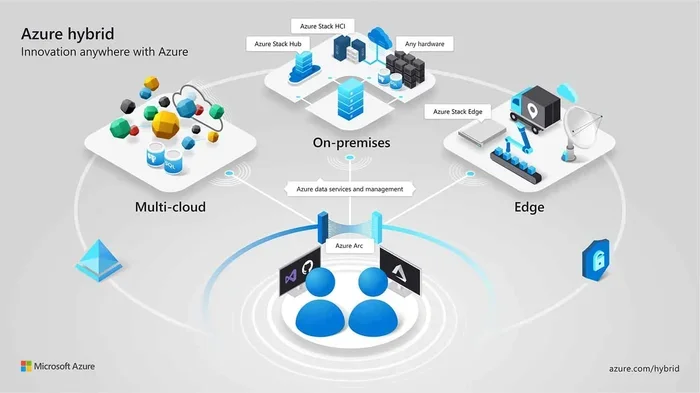
Many businesses today use a multi-cloud strategy. They spread workloads across Google Cloud, AWS, Azure, and on-premises infrastructure. Managing security across all these environments is complex. Google cloud confidential computing adds a consistent layer of protection regardless of where data lives.
You can run confidential workloads in Google Cloud and share results securely with partners using other platforms. The encryption and attestation features travel with your data. This makes it easier to maintain a unified security posture across a fragmented cloud landscape.
Getting Started with Confidential Computing on Google Cloud
Setting Up Your First Confidential Workload
Getting started with google cloud confidential computing is easier than you might think. Google Cloud provides several tools and services to help you launch confidential workloads quickly. You do not need to be a security expert to begin.
First, you need a Google Cloud account. Once you have access, you can navigate to the Compute Engine section. Look for the option to create a Confidential VM. These VMs are pre-configured with the hardware and software needed for secure enclave processing. You select your machine type, operating system, and other settings just like a regular VM.
Here are some quick tips to keep in mind:
- Start with a small test workload to get comfortable with the technology.
- Review the attestation reports to understand how verification works.
- Use Google Cloud’s built-in monitoring tools to track the performance of your confidential workloads.
- Integrate confidential computing with your existing data encryption practices for a layered security approach.
Best Practices to Follow
While google cloud confidential computing provides strong protection, following best practices ensures you get the most out of it. First, always verify attestation reports before sharing sensitive data. This confirms that your workload is running in a genuine secure enclave.
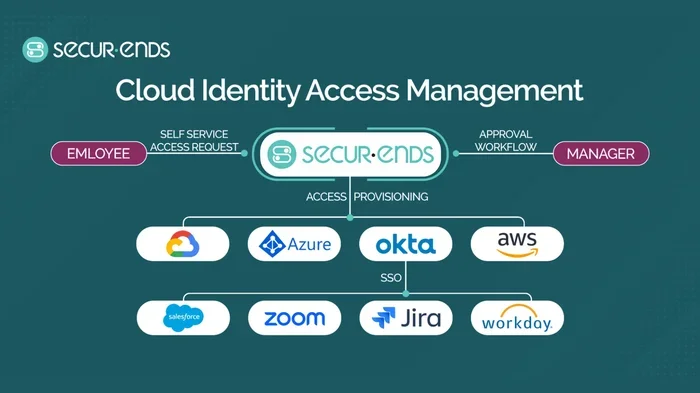
Second, combine confidential computing with other security measures. Use strong identity and access management policies. Encrypt data before it enters the enclave. Regularly audit your security configurations. A layered approach to data security is always more effective than relying on a single tool.
Third, train your team on how confidential computing works. Security is a team effort. When your developers and operations staff understand the technology, they can use it more effectively and avoid common pitfalls.
Common Mistakes to Avoid
Skipping Attestation Verification
One of the biggest mistakes businesses make is ignoring attestation. Some teams set up confidential computing workloads and then assume everything is secure. But without verifying attestation reports, you cannot be certain that your data is truly protected.
Always check that the attestation report matches your expected configuration. If something looks off, investigate before processing sensitive data. Attestation is your best tool for confirming that the secure enclave is genuine and functioning correctly.
Ignoring the Limits of Confidential Computing
Confidential computing is powerful, but it is not a silver bullet. It protects data during processing, but you still need strong security practices for data at rest and in transit. Do not let the technology create a false sense of security. Use it as part of a comprehensive data protection strategy that includes encryption, access controls, and regular security audits.
Another common mistake is assuming all workloads benefit equally from confidential computing. Not every application needs this level of protection. Evaluate your data sensitivity and regulatory requirements before deciding which workloads to protect. Focus your efforts on the most critical and sensitive data first.
Final Thoughts on Google Cloud Confidential Computing
Google cloud confidential computing represents a major step forward in cloud security. It addresses one of the most persistent vulnerabilities in data protection: the exposure of data during processing. By using secure enclaves, attestation, and hardware-based encryption, it keeps your sensitive information safe at every stage.
Modern businesses face growing pressure to protect data while still leveraging the cloud’s flexibility and power. Confidential computing delivers on both fronts. It strengthens security, simplifies compliance, and builds customer trust. Whether you are in healthcare, finance, or any other data-sensitive industry, this technology deserves a serious look.
The landscape of cloud security is evolving rapidly. Businesses that adopt these advanced protections early will be better positioned to handle future challenges. Start small, experiment with confidential workloads, and build your expertise over time. The investment in google cloud confidential computing pays off in stronger security, better compliance, and greater peace of mind for everyone involved.
Frequently Asked Questions
What is the main purpose of google cloud confidential computing?
Google cloud confidential computing protects your data while it is being processed in the cloud. It uses secure enclaves to keep data encrypted during active computation, closing a major security gap that traditional encryption methods leave open.
How does confidential computing differ from regular encryption?
Regular encryption protects data at rest and in transit. Confidential computing adds protection for data in use, meaning data actively being processed in memory. This is done through hardware-based secure enclaves that isolate sensitive workloads from the rest of the system.
Is google cloud confidential computing expensive to implement?
The cost is comparable to running standard virtual machines on Google Cloud. There is no separate licensing fee for confidential computing. You pay for the compute resources your confidential workloads use, making it accessible for businesses of all sizes.
Which industries benefit the most from confidential computing?
Industries like healthcare, financial services, government, and technology benefit greatly. Any organization that handles sensitive data and needs to comply with strict privacy regulations can use confidential computing to strengthen their security posture and build trust with partners and customers.
Can confidential computing work in a multi-cloud environment?
Yes, google cloud confidential computing can be part of a broader multi-cloud strategy. While the confidential computing features are specific to Google Cloud, you can integrate them with other cloud platforms to create a consistent and strong security approach across your entire infrastructure.
Do I need special hardware to use confidential computing on Google Cloud?
No, you do not need special hardware on your end. Google Cloud provides Confidential VMs that are pre-configured with the necessary secure enclave technology. You simply select a Confidential VM type when creating your virtual machine, and Google handles the hardware-level security for you.