Key IAM Challenges in Cloud Computing and How to Solve Them
iam challenges in cloud computing create major hurdles for businesses trying to keep data safe. These issues often stem from complex setups, too many permissions, and poor visibility. This guide breaks down the biggest problems and shows you simple, actionable ways to solve them.
Cloud computing changed how we work. It made things faster and easier. But it also brought new risks. One of the biggest worries today is iam challenges in cloud computing. When you move your business to the cloud, you must protect your data. You need to control who sees what. Without the right steps, bad actors can sneak in. They can steal sensitive info or cause big problems. This guide will walk you through the main hurdles. We will also show you how to fix them. You will learn how to keep your cloud world safe and sound. It is not as hard as you think.
Every company faces these hurdles. Some struggle with too many rules. Others face slow systems. The goal is to find the right balance. You want easy access for good users. You want tight security against bad ones. Identity access management helps you do this. It is the process of knowing who is who. It also controls what they can do. When this process breaks down, things get messy. Let us look at the real problems and the real fixes. We will keep it simple and easy to follow.
Key Takeaways
- Complex setups slow you down: Managing identities across different cloud platforms is a huge headache.
- Too many permissions cause risk: Over-privileging leads to security breaches and data loss.
- Zero trust is the new standard: You must verify every user and device before granting access.
- Automation saves the day: Using tools for user provisioning reduces human error and saves time.
- Compliance is non-negotiable: Following identity governance rules keeps your business safe from fines.
📑 Table of Contents
- What Are iam challenges in cloud computing?
- The Biggest Identity Access Management Hurdles
- Common Mistakes That Make IAM Harder
- How to Solve Access Management Tool Problems
- Building a Strong Security Policy for Cloud
- How to Choose the Right IAM Solution for Your Business
- The Role of Zero Trust in Cloud Security
What Are iam challenges in cloud computing?
When we talk about iam challenges in cloud computing, we mean the tough parts of managing user access. Cloud systems are huge. They have many apps and services. Keeping track of all these is hard work. A cloud security plan must cover identity. If you ignore identity, your whole system is at risk. Many companies think firewalls are enough. But firewalls do not stop a bad user who already has a login. You need strong rules for logins and permissions. These rules must work across all your cloud tools. This is where the real iam challenges in cloud computing start. You cannot just use old rules for new tech.
Why Identity Matters in the Cloud
Think of your cloud like a big office building. The doors are the apps. The keys are the logins. If you give a key to the wrong person, they can go anywhere. They can open the safe. They can read the files. This is called unauthorized access. It happens when you do not manage identities well. In the cloud, keys are digital. They can be copied easily. A hacker only needs one weak key to get in. That is why managing identity access management is so vital. It is the lock on your digital door. You must make sure every lock is strong. You must also know who has the keys.
The Shift From Old Systems to New Cloud
Old office systems were simple. Everyone worked in one place. You could lock the front door and feel safe. Cloud cloud migration changed all that. Now, workers log in from home. They use phones and laptops. They access apps from anywhere in the world. This shift created new iam challenges in cloud computing. You can no longer just lock one door. You must secure many doors at once. You need a system that works everywhere. This is why modern access management tools are so important. They help you manage keys from one place. Without them, you are chasing problems all day long.
The Biggest Identity Access Management Hurdles
Let us look at the specific problems. Every business faces these iam challenges in cloud computing in some way. Knowing them is the first step to fixing them. Here are the hurdles you will likely face.
Too Many Permissions and Over-Privileging
The most common mistake is giving too much access. When you add a new worker, you want them to do their job fast. So, you give them full access. Later, they do not need that access anymore. But you forget to take it away. This is called over-privileging. It breaks the least privilege principle. This principle says you should only give the access needed to do the job. When you ignore this, you open the door to identity theft and security breaches. A hacker only needs a small key to do big damage. Think about it. If a worker only needs to read files, why give them delete rights? You must be strict. You must follow the least privilege rule every single day.
Managing Access in Hybrid Cloud Environments
Many companies use a mix of old and new systems. This is called a hybrid cloud environment. They keep some data on old servers. They put new apps in the cloud. Managing access across both is a nightmare. The old systems use one way to log in. The cloud uses another. This split creates big iam challenges in cloud computing. You must make sure both systems talk to each other. If they do not, you get gaps. Hackers love gaps. They slip through the cracks between old and new systems. You need a bridge that connects both worlds. This bridge is your identity federation tool. It makes one login work for both old and new apps.
Lack of Visibility and Control
When you have many cloud apps, you lose sight of things. You might not know who is logging in. You might not know what they are doing. This lack of identity governance is dangerous. You cannot protect what you cannot see. Many teams use different tools for different apps. This makes it hard to see the full picture. Without a single view, you cannot spot strange behavior. You might miss a hacker pretending to be a good user. You need a dashboard that shows everything. This gives you control. You can see who is doing what. You can catch bad actors fast.
Keeping Up with Compliance Rules
Governments have strict rules about data. They say you must protect user info. Rules like GDPR and HIPAA are very strict. If you break them, you pay big fines. Compliance requirements add another layer of iam challenges in cloud computing. You must prove that you control access. You must show who saw what and when. Doing this by hand is slow and error-prone. You need smart tools to track and report this for you. Manual tracking just does not work anymore. You need automation to stay compliant. You need a clear audit trail that proves you did your job.
Common Mistakes That Make IAM Harder
Some mistakes make your iam challenges in cloud computing worse. You must avoid these traps. Here are the common errors teams make.
Using the Same Password Everywhere
People love easy passwords. They use the same one for every app. This is a huge mistake. If one app gets hacked, all your apps get hacked. You must enforce strong, unique passwords. Use a password manager to help. This is a basic step in identity access management. Do not skip it.
Ignoring Old Accounts
When people leave a company, their access must go away. But many teams forget to turn off old accounts. These ghost accounts are a goldmine for hackers. They can use them to sneak back in. Always clean up old accounts fast. This is part of good user provisioning. It keeps your system lean and safe.
How to Solve Access Management Tool Problems
Now that we know the problems, let us fix them. You need the right approach to beat iam challenges in cloud computing. Here is how you do it.
Use Role-Based Access Control
The best way to stop over-privileging is to use roles. Role-based access control (RBAC) groups users by their job. For example, all accountants get the accountant role. They get access to the finance apps. They do not get access to the marketing files. This makes adding and removing access much easier. It keeps things neat and tidy. You only change the role, not each person. This is a core part of identity access management. It saves time and reduces mistakes. Try it in your setup today.
Implement Multi-Factor Authentication
A single password is not enough anymore. Hackers can guess or steal passwords. You need a second check. This is called multi-factor authentication (MFA). With MFA, a user must prove who they are twice. They type their password. Then they type a code from their phone. This stops unauthorized access even if a password is stolen. MFA is a simple fix for a huge security hole. It is one of the best ways to solve iam challenges in cloud computing. Turn it on for all your users now.
Automate User Provisioning
Doing things by hand takes too much time. It also leads to mistakes. You should use access management tools that automate tasks. When a new worker joins, the system gives them the right access. When they leave, the system takes it away. This is called user provisioning. Automation removes human error. It makes sure no one has old access. It keeps your cloud security strong without extra work. Set up your tools to handle this automatically. You will thank yourself later.
Adopt Privileged Access Management
Some users have special power. They are admins. They can change system settings. This is called privileged access management (PAM). You must be very careful with these keys. Only give admin access when absolutely needed. Use tools that watch what admins do. Keep a log of every move they make. This stops insiders from doing harm. It also helps you find out who caused a security breach if one happens. Treat admin keys like gold. Guard them with extra care.
Building a Strong Security Policy for Cloud
Tools alone are not enough. You need a solid plan. Your security policy is your guide. It tells everyone how to handle access. Without a plan, people will guess. They will make mistakes. A good plan stops iam challenges in cloud computing before they start. Write it down. Share it with your team. Make it part of your daily work.
Create a Clear Identity Federation Strategy
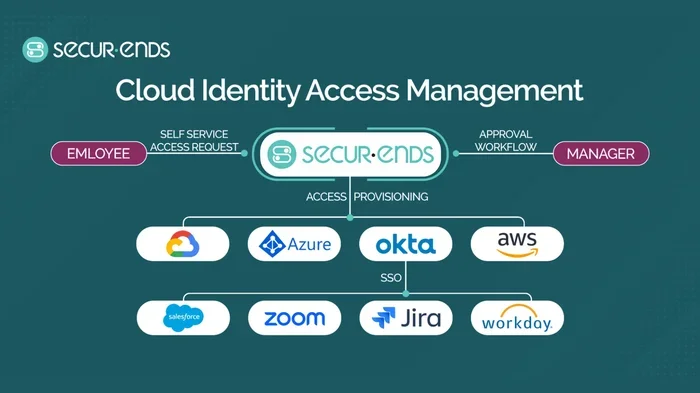
When workers use many different apps, they get tired of logins. They might use weak passwords. You need identity federation. This lets one login work for many apps. You only need one strong password. This makes life easier for workers. It also makes security better. You only have to secure one main login point. This is a smart way to reduce iam challenges in cloud computing. Look for tools that support open standards like SAML and OAuth.
Train Your Team on Best Practices
Your team is your first line of defense. If they do not know the rules, you are at risk. Teach them about identity theft and phishing. Show them how to spot fake emails. Make multi-factor authentication easy to use. When your team understands the risks, they help you stay safe. Training turns your workers into security guards. Hold regular meetings to keep the rules fresh in their minds.
Review and Update Access Regularly
Access is not a set-it-and-forget-it thing. You must check it often. Do regular reviews of who has access. Remove people who no longer need it. Update roles when jobs change. This keeps your system clean. It stops old access from becoming a problem. A clean system means less iam challenges in cloud computing in the future. Schedule these reviews every month. Make it a habit.
How to Choose the Right IAM Solution for Your Business
There are many access management tools out there. Picking the right one can feel overwhelming. You need a tool that fits your needs. It must solve your iam challenges in cloud computing. Here is how to choose.
Look for Easy Integration
Your new tool must work with your current apps. If it does not connect well, you will have more problems. Check if it supports your hybrid cloud environment. Make sure it plays nice with your old systems too. Good identity federation is a must. The tool should connect to all your doors with one key.
Check for Automation Features
You do not want to do everything by hand. Look for tools that automate user provisioning. The tool should add access when a worker joins. It should remove access when they leave. This saves you hours of work. It also stops unauthorized access from ghost accounts. Automation is the best friend of cloud security.
Prioritize Reporting and Auditing
You need to prove you are following rules. Choose a tool with strong reporting. It should make compliance requirements easy to meet. The tool should show you who did what and when. Clear reports keep auditors happy. They also help you spot security breaches early. Good reporting gives you peace of mind.
The Role of Zero Trust in Cloud Security
The old way of thinking was “trust but verify.” The new way is “never trust, always verify.” This is called zero trust. It is the best way to solve modern iam challenges in cloud computing. In a zero trust model, you do not trust anyone by default. Not even someone inside the network. Every single request must be checked. You check the user. You check the device. You check the location. Only then do you grant access.
Zero trust stops hackers in their tracks. If a hacker steals a login, they still cannot get in. The system asks for more checks. It sees the device is not recognized. It blocks the login. This approach is perfect for hybrid cloud environments. It works no matter where the user is. It is the future of cloud security. If you want to beat iam challenges in cloud computing, you must embrace zero trust. Start small. Add checks to your most sensitive apps first.
Solving iam challenges in cloud computing takes work. But it is worth it. You protect your data. You keep your customers happy. You avoid big fines. You build a strong, safe business. Start with the small fixes today. Add MFA. Review permissions. Automate tasks. Build your security policy. Take one step at a time. Your cloud will be safer because of it. Keep learning and keep improving. Your efforts will pay off big time.
Frequently Asked Questions
What are the main iam challenges in cloud computing?
The main hurdles include over-privileging users, managing access across hybrid systems, and lacking visibility. You also face strict compliance rules and the complexity of cloud migration. These issues make it hard to control who sees your data.
How do you solve identity access management problems?
You solve these issues by using role-based access control and multi-factor authentication. Automating user provisioning and adopting privileged access management also help. A strong security policy and zero trust approach are essential for long-term success.
Why is over-privileging a security risk?
Over-privileging gives users access they do not need. This breaks the least privilege principle. If a hacker steals a login, they can do big damage with those extra permissions. It leads to severe security breaches and data loss.
What is the least privilege principle?
This principle means giving users only the access needed to do their job. It limits the damage if an account is compromised. Following this rule is a core part of identity access management and cloud security.
How does zero trust help with cloud security?
Zero trust assumes no user or device is safe by default. It checks every single request before granting access. This approach stops unauthorized access and works perfectly in hybrid cloud environments.
What is identity federation?
Identity federation lets one login work for many different apps. It makes life easier for workers and safer for admins. It reduces iam challenges in cloud computing by centralizing your access control.