Relationship Between Edge Computing and Cloud Computing
The relationship between edge computing and cloud computing is a powerful partnership that combines local speed with global scale. Edge devices process data instantly at the source, while the cloud handles heavy analytics and long-term storage. Together, they create a distributed computing model that powers faster, smarter, and more reliable applications across every industry.
When you hear about edge computing and cloud computing, you might think they are competitors. But the truth is, they are better together. The relationship between edge computing and cloud computing is one of the most important partnerships in modern technology. Together, these two approaches create a powerful system that handles data faster, reduces delays, and makes apps smarter. In this article, we will break down exactly how they work together, why it matters, and what it means for businesses and everyday users alike.
Understanding this partnership helps you see why modern apps feel so fast and responsive. Whether you are a developer, a business owner, or just someone curious about tech, this guide covers everything you need to know. Let us dive in and explore how edge computing and cloud computing complement each other in today’s digital world.
Key Takeaways
- Edge computing and cloud computing are complementary: They work together to create a powerful, distributed network architecture that handles both real-time and large-scale tasks.
- Edge devices reduce latency: Processing data locally means faster responses for time-sensitive applications like autonomous vehicles and healthcare monitoring.
- The cloud provides scalability and storage: It handles heavy analytics, long-term data storage, and machine learning at a massive scale.
- Bandwidth costs drop significantly: By filtering data at the edge, businesses send less raw data to the cloud, saving money and reducing network congestion.
- Security and privacy improve: Local processing keeps sensitive data closer to its source, reducing exposure during transit.
- Real-world applications are everywhere: From smart factories to smart cities, the edge-cloud partnership is already transforming industries.
- The future is hybrid: Cloud-native and distributed computing models will continue to evolve, making edge-cloud integration essential for modern tech stacks.
📑 Table of Contents
What Is Edge Computing?
Edge computing is a model where data processing happens closer to where the data is generated. Instead of sending all information to a distant data center, edge devices handle tasks right at or near the source. Think of it like cooking at home instead of driving to a restaurant every time you are hungry. It is faster, more convenient, and saves you a lot of time.
Edge devices include sensors, smartphones, routers, and specialized edge servers. These devices process data locally, which means less travel time for information. This approach is especially useful for real-time applications that need instant responses. Industries like manufacturing, healthcare, and transportation rely heavily on this model.
How Edge Devices Work
Edge devices collect data from their surroundings. They might gather temperature readings, video feeds, or user interactions. Then, they process this data on the spot. Only the most important or summarized information gets sent to the cloud for long-term storage or deeper analysis.
This local processing reduces the need for constant internet connections. It also lowers the amount of bandwidth required. For industries that operate in remote areas or on the move, this can be a real game changer. Edge servers act as mini data centers right where the action happens.
What Is Cloud Computing?
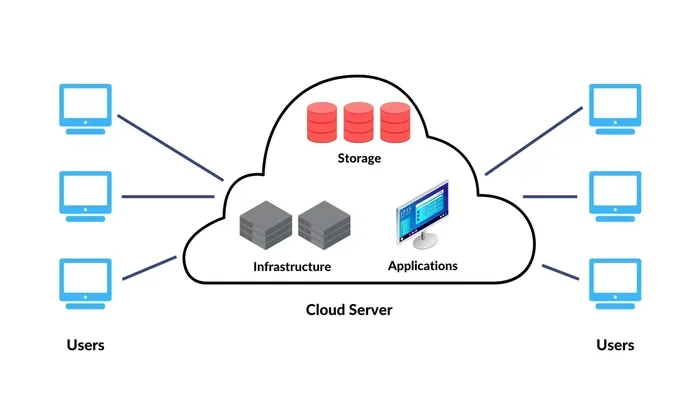
Cloud computing delivers computing services over the internet. These services include storage, processing power, databases, and software. Instead of owning physical servers, businesses rent access to remote data centers managed by cloud providers. You probably use cloud services every day without even realizing it.
The cloud infrastructure is massive and centralized. It offers incredible scalability and flexibility. When you stream a movie, save a file online, or use a web app, you are likely relying on the cloud. It handles enormous amounts of data and serves millions of users at the same time.
Key Features of Cloud Computing
Cloud computing comes with several powerful features that make it indispensable:
- Scalability: You can increase or decrease resources based on demand.
- Cost Efficiency: You pay only for what you use, with no upfront hardware costs.
- Accessibility: You can access your data from anywhere with an internet connection.
- Disaster Recovery: Cloud providers offer backup and recovery options for your data.
- Global Reach: Data centers are located worldwide, serving users in every region.
However, cloud computing has one big limitation: latency. Data has to travel back and forth between your device and the data center. For some applications, this delay is completely unacceptable. This is where edge computing steps in to fill the gap.
How Edge Computing and Cloud Computing Work Together
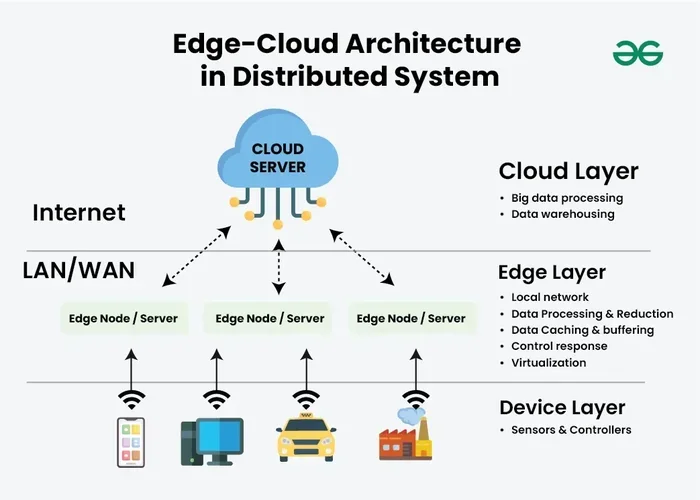
The relationship between edge computing and cloud computing is best understood as a collaboration. Each handles what the other cannot do as efficiently. Edge devices take care of immediate, time-sensitive tasks. The cloud handles heavy-duty processing, storage, and long-term analytics. They are like two halves of a single, powerful system.
Think of it as a team. Edge devices are the front-line workers who handle quick decisions. The cloud is the central office that manages big-picture strategy and keeps records. Together, they create a distributed computing system that is greater than the sum of its parts.
When edge devices process data locally, they send only the essential results to the cloud. This reduces the load on cloud infrastructure and speeds up overall performance. The flow of data between edge and cloud creates a seamless network architecture that powers modern applications.
Many organizations now adopt a hybrid cloud approach that integrates edge nodes into their cloud strategy. This setup allows them to get the best of both worlds. They benefit from the speed of edge processing and the vast resources of the cloud. Before integrating any edge-cloud solutions, always review the terms and conditions of your cloud provider to ensure proper data handling and compliance.
The Data Flow Between Edge and Cloud
The data flow between edge and cloud follows a simple pattern. Edge devices collect and process data in real time. They filter out noise and send only meaningful insights upward. The cloud then receives this refined data for deeper analysis, machine learning, and long-term storage.
This two-way flow creates a feedback loop. The cloud sends updated models or instructions back to the edge devices. This continuous exchange keeps both parts of the system smart and up to date. It is a beautiful cycle of local action and global intelligence.
When setting up these integrations, it is also important to consider the legal and compliance aspects. Edge and cloud deployments often involve sensitive data across multiple jurisdictions. Reviewing your provider’s terms and conditions helps ensure that data privacy and usage rights are clearly defined from the start.
Key Differences Between Edge Computing and Cloud Computing
While edge and cloud computing work together, they are fundamentally different. Understanding these differences helps you choose the right approach for your specific needs.
| Feature | Edge Computing | Cloud Computing |
|---|---|---|
| Processing Location | Near the data source | Centralized data centers |
| Latency | Very low | Higher due to distance |
| Bandwidth Usage | Low | High |
| Scalability | Limited | Highly scalable |
| Data Storage | Minimal local storage | Extensive cloud storage |
| Use Case | Real-time, time-sensitive tasks | Heavy analytics, storage, and batch processing |
| Cost Model | Higher upfront device costs | Pay-as-you-go model |
The table above shows that neither approach is better on its own. Each has strengths that fill the gaps of the other. The relationship between edge computing and cloud computing thrives because of these complementary differences. Edge computing excels at handling IoT devices that generate massive amounts of data every second. Cloud computing shines when you need to analyze that data across millions of devices and extract broad patterns. Together, they cover the full spectrum of computing needs.
Benefits of Combining Edge and Cloud Computing
Combining edge computing with cloud computing offers many advantages. Let us look at the biggest benefits that make this partnership so powerful for businesses and users alike.
Reduced Latency and Faster Response Times
One of the biggest advantages is reduced latency. When processing happens at the edge, there is no need to wait for data to travel to a remote data center. This means faster response times for applications that need instant feedback. For example, autonomous vehicles cannot afford even a fraction of a second of delay. Edge processing allows these vehicles to make split-second decisions. The cloud then receives the driving data later for route optimization and fleet management.
Lower Bandwidth Costs
Sending all raw data to the cloud is expensive. It consumes significant bandwidth and increases costs. Edge computing filters and processes data locally, sending only the essential information to the cloud. This reduction in data transfer saves money and reduces network congestion. Companies with thousands of edge devices can see substantial savings in their cloud bandwidth bills over time.
Improved Reliability and Resilience
Edge computing adds a layer of resilience to cloud services. If the internet connection goes down, edge devices can still operate independently. They continue to process critical tasks without waiting for cloud connectivity. This is especially important for remote locations or mission-critical applications. Factories, hospitals, and outdoor installations all benefit from this local processing capability.
Enhanced Data Privacy and Security
Processing data locally at the edge means sensitive information stays closer to its source. You do not need to send raw personal data across the internet to a distant data center. This reduces the attack surface and helps with compliance. However, security is a shared responsibility. You must still protect edge devices and manage access properly. Before deploying any edge-cloud solution, make sure you understand the terms and conditions related to data handling, privacy policies, and liability clauses.
Real-World Applications and Future Outlook
The relationship between edge computing and cloud computing is already transforming many industries. Let us explore some practical applications and what the future holds for this exciting technology partnership.
Smart Manufacturing and Industry 4.0
Modern factories use IoT devices and sensors to monitor production lines in real time. Edge devices on the factory floor detect defects and adjust machinery instantly. The cloud collects data from all factories to optimize supply chains and predict maintenance needs. This combination of edge and cloud processing drives the Industry 4.0 revolution. Manufacturers achieve higher quality, less downtime, and lower operational costs.
Healthcare and Remote Patient Monitoring
Wearables and medical sensors generate health data continuously. Edge devices process this data locally to alert doctors of emergencies in real time. The cloud stores historical health records and runs advanced analytics for long-term care planning. This setup saves lives by enabling instant responses while also building a comprehensive patient history over time. It is a perfect example of how distributed computing improves outcomes.
Smart Cities and Transportation
Smart cities use thousands of sensors to manage traffic, energy, and public safety. Edge nodes at intersections process traffic data and adjust signals in real time. The cloud aggregates data city-wide to improve urban planning and reduce congestion. Self-driving buses and delivery robots also rely on this edge-cloud partnership. They need instant local processing for navigation and cloud connectivity for mapping updates and fleet coordination.
What Does the Future Hold?
The future of distributed computing is bright. As edge devices become more powerful, they will handle even more complex tasks. We can expect deeper integration between edge and cloud platforms. Mobile edge computing and fog computing are emerging concepts that extend this model further. They bring processing even closer to end users through cell towers and local networks. These innovations will make cloud-native applications faster and more responsive than ever before.
Businesses that invest in understanding and implementing this edge-cloud relationship today will have a strong advantage tomorrow. The key is to start small, test real use cases, and scale gradually as your needs grow.
Quick Tips for Getting Started
Here are some practical tips if you are considering an edge-cloud strategy:
- Start by identifying which tasks need real-time processing and which can wait for the cloud.
- Choose edge hardware that fits your budget and performance needs.
- Work with a cloud provider that offers edge computing services and integration tools.
- Monitor bandwidth usage and costs as you scale your deployment.
- Always review service agreements and privacy policies before committing to a provider.
Common Mistakes to Avoid
Many organizations make avoidable mistakes when adopting edge-cloud computing:
- Sending all data to the cloud instead of filtering at the edge.
- Underestimating the security needs of distributed edge devices.
- Ignoring the importance of reliable internet connectivity for edge-cloud communication.
- Choosing hardware that cannot handle the required processing load.
- Not planning for scalability as the number of edge devices grows.
Avoiding these pitfalls will save you time, money, and headaches in the long run. Take the time to plan your architecture carefully before diving in.
Key Takeaways
- Edge computing and cloud computing are complementary: They work together to create a powerful, distributed network architecture that handles both real-time and large-scale tasks.
- Edge devices reduce latency: Processing data locally means faster responses for time-sensitive applications like autonomous vehicles and healthcare monitoring.
- The cloud provides scalability and storage: It handles heavy analytics, long-term data storage, and machine learning at a massive scale.
- Bandwidth costs drop significantly: By filtering data at the edge, businesses send less raw data to the cloud, saving money and reducing network congestion.
- Security and privacy improve: Local processing keeps sensitive data closer to its source, reducing exposure during transit.
- Real-world applications are everywhere: From smart factories to smart cities, the edge-cloud partnership is already transforming industries.
- The future is hybrid: Cloud-native and distributed computing models will continue to evolve, making edge-cloud integration essential for modern tech stacks.
Frequently Asked Questions
What is the main difference between edge computing and cloud computing?
Edge computing processes data close to where it is generated, while cloud computing relies on centralized data centers far from the source. Edge is fast and low-latency, while the cloud is powerful and scalable. Both are essential for modern applications.
Can edge computing replace cloud computing entirely?
No, edge computing cannot replace cloud computing. Edge devices handle real-time tasks, but the cloud is still needed for heavy analytics, massive storage, and long-term data processing. They work best together as a unified system.
What industries benefit most from edge-cloud computing?
Manufacturing, healthcare, transportation, retail, and smart cities benefit the most. Any industry that needs real-time processing combined with large-scale data analysis gains from the powerful relationship between edge computing and cloud computing.
Is edge computing expensive to implement?
The upfront cost of edge hardware can be higher than traditional setups. However, the savings in bandwidth, cloud storage, and improved performance often outweigh these costs significantly over time.
How does edge computing improve data privacy?
Edge computing keeps sensitive data local and reduces the need to transmit it over the internet. This limits exposure and helps organizations comply with data privacy regulations more easily and effectively.
What role does latency play in the edge-cloud relationship?
Latency is the main reason edge computing exists. By processing data at the edge, applications avoid the delays caused by sending data back and forth to distant cloud servers. This is absolutely critical for real-time applications that demand instant responses.
=== CONCLUSION ===
The relationship between edge computing and cloud computing is one of the most important partnerships in modern technology. Edge computing brings speed, low latency, and local intelligence to the table. Cloud computing brings massive scale, deep analytics, and global reach. Together, they power the applications and services we use every day without even thinking about it.
Understanding how these two approaches complement each other gives you a clear advantage, whether you are building new applications or optimizing existing ones. The future belongs to organizations that embrace both edge and cloud computing as a unified strategy. Start exploring this powerful combination today, and you will be well positioned for the demands of tomorrow’s digital world.