What Is High Availability in Cloud Computing Explained
High availability in cloud computing means your applications and services stay online and accessible even when parts of the system fail. It uses redundancy, failover mechanisms, and smart architecture to minimize downtime and keep users happy. Understanding this concept is essential for any business that relies on cloud-based systems to operate smoothly.
Have you ever visited a website and found it completely unavailable? Maybe you tried to check your bank account, shop online, or stream a show, and the page just would not load. That frustrating experience is what happens when a system lacks high availability in cloud computing.
In simple terms, high availability means keeping your applications and services running almost all the time. It is about designing systems that can handle failures gracefully without interrupting the user experience. Today, businesses of every size depend on the cloud to run their operations, and downtime can cost thousands of dollars per minute.
This guide breaks down everything you need to know about high availability in cloud computing. We will cover what it means, why it matters, how it works, and the best practices you can use to build resilient systems. Whether you are a developer, a business owner, or just curious about cloud tech, this article has you covered.
Key Takeaways
- High availability ensures minimal downtime by using redundant systems and automatic failover.
- Cloud providers offer built-in tools like availability zones and load balancers to support uptime.
- SLAs define your uptime guarantees and help set expectations for service reliability.
- Multi-region deployment boosts resilience by spreading resources across different geographic locations.
- Monitoring and testing are critical to identify weaknesses before real outages occur.
- High availability is not the same as disaster recovery — they serve different but complementary purposes.
- Small businesses benefit too from implementing basic HA strategies in their cloud setups.
📑 Table of Contents
- What Does High Availability Mean in Cloud Computing?
- Why High Availability Matters for Businesses
- How High Availability Works in the Cloud
- Key Components of High Availability Architecture
- High Availability vs. Disaster Recovery: What Is the Difference?
- Best Practices for Achieving High Availability
- Common Mistakes to Avoid
- Expert Insights on Building Resilient Cloud Systems
- Final Thoughts
What Does High Availability Mean in Cloud Computing?
When people talk about high availability, they refer to a system’s ability to remain operational and accessible over a long period. In cloud computing, this means your applications stay online even when hardware fails, networks go down, or unexpected errors occur.
The goal is simple: minimize downtime and maximize the time your services are available to users. Cloud providers like AWS, Microsoft Azure, and Google Cloud build their platforms with high availability in mind. They offer tools and features that help you design systems that can survive component failures without affecting the end user.
Understanding Uptime and Downtime
You will often hear the word uptime when discussing high availability. Uptime is the percentage of time your system is working and accessible. The opposite is downtime, which is when your system is unavailable.
Most cloud providers promise uptime guarantees through something called a Service Level Agreement, or SLA. For example, a common SLA target is 99.99% uptime. That might sound perfect, but let us break it down:
- 99.9% uptime allows about 8.7 hours of downtime per year.
- 99.99% uptime allows about 52.6 minutes of downtime per year.
- 99.999% uptime allows only about 5.26 minutes of downtime per year.
The higher the uptime percentage, the more robust your high availability architecture needs to be. Achieving those top-tier numbers requires careful planning and the right cloud infrastructure.
What Is Considered “High Availability”?
There is no single universal definition, but most experts agree that a system with 99.99% uptime or higher qualifies as highly available. Some industries, like finance and healthcare, demand even stricter standards.
What makes a system highly available is not just one feature. It is a combination of redundancy, automatic failover, load balancing, and smart cloud infrastructure design. Together, these elements create a system that can absorb shocks and keep running.
Why High Availability Matters for Businesses
Downtime is expensive. Really expensive. When your systems go down, customers get frustrated, sales drop, and your reputation takes a hit. Studies show that the average cost of one hour of downtime for a business can reach tens of thousands of dollars. For larger enterprises, the numbers are even higher.
But the financial cost is not the only concern. Every minute your services are unavailable, users turn to competitors. Over time, repeated outages erode trust and drive customers away. This is why high availability in cloud computing is not just a technical goal — it is a business priority.
Impact on Customer Trust and Revenue
Think about the last time a website you used went down. Did you give it a second chance? Most people do not. They move on to the next option. This is especially true for e-commerce sites, streaming platforms, and online services where availability directly affects the user experience.
Implementing high availability sends a powerful message to your customers: your service is reliable and dependable. That trust translates into repeat visits, higher conversions, and long-term loyalty.
Compliance and Regulatory Requirements
Many industries have strict rules about system availability. Healthcare organizations must comply with HIPAA, which requires systems to be accessible when needed. Financial institutions face regulations that demand near-constant uptime. In these cases, high availability is not optional — it is a legal requirement.
Even if your industry does not have strict regulations, customers and partners may expect a certain level of service reliability. Meeting or exceeding those expectations gives you a competitive edge.
How High Availability Works in the Cloud
Now that we understand why high availability matters, let us look at how it actually works. Cloud platforms use several key mechanisms to keep systems running, even when individual components fail.
Redundancy and Replication
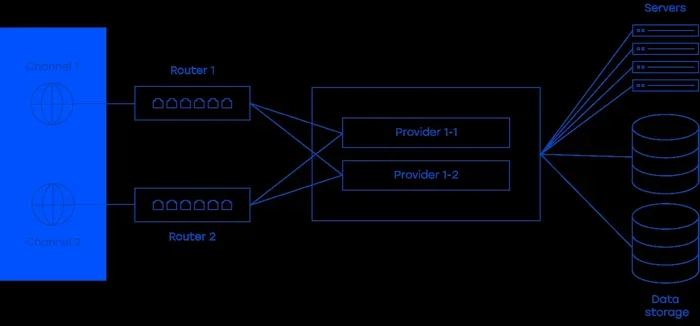
The foundation of high availability is redundancy. This means having multiple copies of everything — servers, databases, network paths, and more. If one component fails, another takes over without the user noticing.
Data replication plays a big role here. Your data gets copied across multiple servers and locations in real time. So if one server crashes, the data is still safe and accessible from another server.
Automatic Failover
Automatic failover is the process of switching to a backup system when the primary system fails. In a high availability setup, this happens seamlessly and without human intervention.
For example, imagine your main web server goes down due to a hardware failure. The cloud platform automatically routes traffic to a healthy backup server. The user never sees an error page, and the experience remains smooth. This is the magic of failover in action.
Load Balancing
Load balancing distributes incoming traffic across multiple servers. This prevents any single server from becoming overwhelmed, which could cause slowdowns or crashes.
Cloud load balancers also monitor server health in real time. If a server starts performing poorly or goes offline, the load balancer stops sending traffic to it and redirects users to healthy servers. This is a core part of any high availability architecture.
Availability Zones and Regions
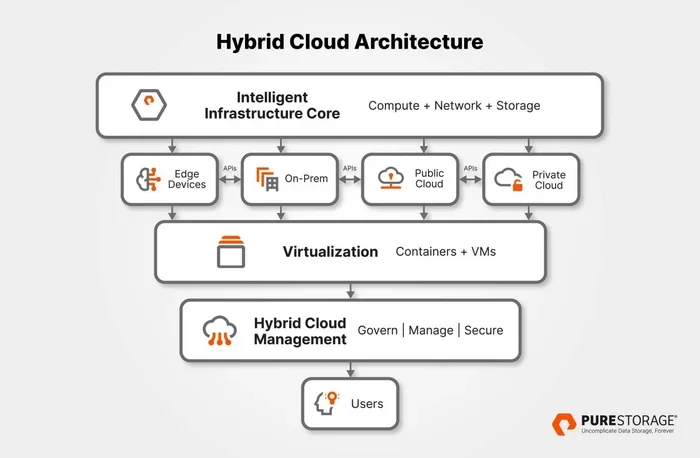
Major cloud providers divide their infrastructure into availability zones and regions. A region is a geographic area, like US-East or Europe-West. Within each region, there are multiple availability zones, which are physically separate data centers.
By spreading your resources across multiple availability zones, you protect against data center-level failures. If one zone goes down, your application keeps running in another zone. For even greater resilience, you can deploy across multiple regions.
Key Components of High Availability Architecture
Building a high availability system requires several components working together. Let us look at the most important ones.
Server Clusters
A server cluster is a group of servers that work together as a single system. If one server in the cluster fails, the others pick up the workload. This is one of the simplest and most effective ways to achieve high availability.
Server clusters are commonly used for web applications, databases, and enterprise software. They provide both redundancy and scalability, which are essential for modern cloud systems.
Database Replication and Clustering
Your database is often the most critical part of your application. If the database goes down, everything stops. That is why database replication is a cornerstone of high availability in cloud computing.
In a replicated setup, your database copies itself across multiple servers. If the primary database fails, a replica automatically takes over. This keeps your data safe and your application running without interruption.
Health Checks and Monitoring
You cannot maintain high availability without monitoring. Cloud platforms offer health checks that constantly test your servers and services. If something goes wrong, alerts notify your team immediately.
Monitoring tools also provide dashboards that show system performance in real time. This helps you spot problems early, before they turn into full-blown outages. Regular system outage analysis from monitoring data helps you strengthen your resilience over time.
Auto Scaling
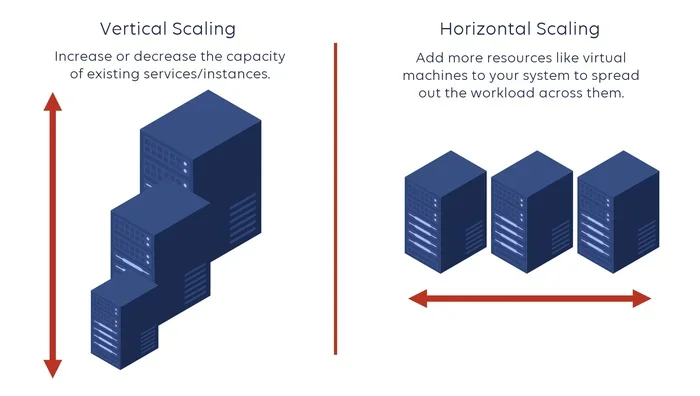
Automatic scaling adjusts your resources based on demand. During traffic spikes, the system adds more servers to handle the load. During quiet periods, it scales back to save costs.
Auto scaling is a powerful tool for high availability because it prevents overload. It also ensures you are using resources efficiently, which keeps your cloud costs manageable.
High Availability vs. Disaster Recovery: What Is the Difference?
People often confuse high availability with disaster recovery, but they are not the same thing. Understanding the difference is key to building a solid cloud strategy.
High availability focuses on keeping your systems running during everyday failures — a server crash, a network glitch, a hardware malfunction. It handles small, frequent disruptions with minimal impact.
Disaster recovery, on the other hand, deals with large-scale events — natural disasters, cyberattacks, or widespread infrastructure failures. It is your plan for restoring systems after a major outage. Think of high availability as your day-to-day protection and disaster recovery as your emergency backup plan.
The best cloud strategies combine both. High availability minimizes everyday disruptions, while disaster recovery ensures you can recover from catastrophic events. Together, they form a complete business continuity plan.
| Aspect | High Availability | Disaster Recovery |
|---|---|---|
| Focus | Everyday failures and outages | Major catastrophic events |
| Goal | Zero or minimal downtime | Fast recovery after a disaster |
| Scope | Component-level failures | System-wide or regional failures |
| Recovery Time | Seconds to minutes | Minutes to hours |
| Strategy | Redundancy and failover | Backups and restoration plans |
Best Practices for Achieving High Availability
Building a highly available system takes effort and planning. Here are some proven best practices that help you get there.
Design for Failure
This might sound counterintuitive, but the best high availability systems are designed assuming that everything will fail at some point. This mindset is called the single point of failure approach — you identify every component that could fail and plan for it.
Instead of hoping things go right, you build systems that handle failures gracefully. This means redundant servers, multiple network paths, and backup databases. When a failure happens, your system simply routes around it.
Use Multiple Availability Zones
Never put all your resources in one location. Spread them across multiple availability zones within a region, or even across multiple regions. This protects you from data center failures and regional outages.
Cloud providers make this easy with their zone-based architectures. You just need to configure your resources correctly from the start.
Implement Regular Testing
Your high availability setup is only as good as your last test. Regularly simulate failures to verify that your failover mechanisms work correctly. This is sometimes called chaos engineering.
Testing helps you find weaknesses before real outages expose them. It also builds confidence in your system and gives your team valuable experience handling failures.
Set Clear SLAs and Monitor Them
Define your uptime targets through clear SLAs with your cloud provider and internal teams. Then monitor your actual performance against those targets continuously.
If you are consistently falling short of your SLA goals, it is time to investigate and make improvements. SLA monitoring keeps you accountable and drives continuous improvement.
Keep Your Architecture Simple
Complex systems are harder to keep available. Every additional component is another potential point of failure. Aim for simplicity in your high availability architecture while still maintaining the redundancy you need.
Simple designs are also easier to troubleshoot, maintain, and scale. They reduce the chances of human error, which is one of the leading causes of outages.
Common Mistakes to Avoid
Even experienced teams make mistakes when building high availability systems. Here are a few pitfalls to watch out for.
- Ignoring database bottlenecks. Your application servers might be redundant, but if your single database goes down, everything stops.
- Skipping regular failover tests. A failover mechanism that has never been tested is a failover mechanism that might not work.
- Relying on a single cloud provider. While multi-cloud adds complexity, it also adds resilience against provider-specific outages.
- Underestimating network dependencies. Even with redundant servers, a single network path can become a bottleneck.
- Neglecting monitoring. Without proper monitoring, you will not know about failures until users report them.
Expert Insights on Building Resilient Cloud Systems
Industry experts agree that high availability is not a one-time setup — it is an ongoing process. Cloud architectures evolve, new threats emerge, and user expectations grow. The best teams treat availability as a continuous journey rather than a destination.
Leading cloud architects recommend starting small and scaling your high availability efforts over time. Begin with basic redundancy and automatic failover, then gradually add more advanced features like multi-region deployment and chaos testing. This approach keeps things manageable while steadily improving your system’s resilience.
Another expert tip: document everything. When an outage happens, you need a clear record of what failed, how the system responded, and what you can do better next time. This lessons learned approach is what separates good cloud infrastructure from great cloud infrastructure.
Final Thoughts
High availability in cloud computing is not just a technical concept — it is a fundamental requirement for any business that operates online. From redundancy and automatic failover to load balancing and multi-region deployment, the tools and strategies are well within reach.
The key is to start with a clear understanding of your needs, design for failure from day one, and continuously test and improve your systems. Whether you are running a small web app or a large enterprise platform, investing in high availability pays off in reliability, customer trust, and long-term success.
Take the time to evaluate your current setup. Identify your weak points, explore the cloud infrastructure tools at your disposal, and build a system that your users can count on. High availability is not about perfection — it is about resilience, preparedness, and never giving your users a reason to look elsewhere.
Frequently Asked Questions
What is the difference between high availability and fault tolerance?
High availability aims to minimize downtime by using redundancy and failover, so the system stays mostly online. Fault tolerance goes a step further by ensuring the system continues to operate without any interruption, even during a failure. Fault tolerance is more complex and expensive, but it offers the highest level of resilience.
How do cloud providers help achieve high availability?
Major cloud providers offer built-in tools like availability zones, load balancers, auto scaling, and data replication. These services make it easier to design high availability architectures without building everything from scratch. You simply configure these tools to match your reliability needs.
What is a good uptime target for high availability?
Most businesses aim for 99.99% uptime, which allows less than an hour of downtime per year. However, the right target depends on your industry, budget, and user expectations. Critical systems like healthcare and finance often require even higher targets like 99.999% uptime.
Can small businesses benefit from high availability?
Absolutely. Even small businesses can implement basic high availability strategies like redundant servers, automatic failover, and regular backups. Cloud providers offer affordable plans that include high availability features, making it accessible for businesses of all sizes.
Is high availability the same as disaster recovery?
No, they are related but different. High availability handles everyday failures to keep systems running with minimal downtime. Disaster recovery is your plan for recovering from major events like natural disasters or cyberattacks. Both are essential for a complete business continuity strategy.
How can I test my high availability setup?
You can test your setup by simulating failures, such as shutting down a server or cutting off a network path. This practice, known as chaos engineering, reveals weaknesses in your system and validates that your automatic failover mechanisms work as expected. Regular testing should be part of your ongoing maintenance routine.
=== CONCLUSION ===
High availability in cloud computing is all about keeping your services running smoothly, no matter what goes wrong. By using redundancy, automatic failover, load balancing, and smart architecture choices, you can dramatically reduce downtime and protect your business from the costly impact of outages.
The strategies and best practices outlined in this article give you a solid foundation to build upon. Start small, test regularly, and scale your high availability efforts as your needs grow. Your users, your revenue, and your reputation will thank you for it.