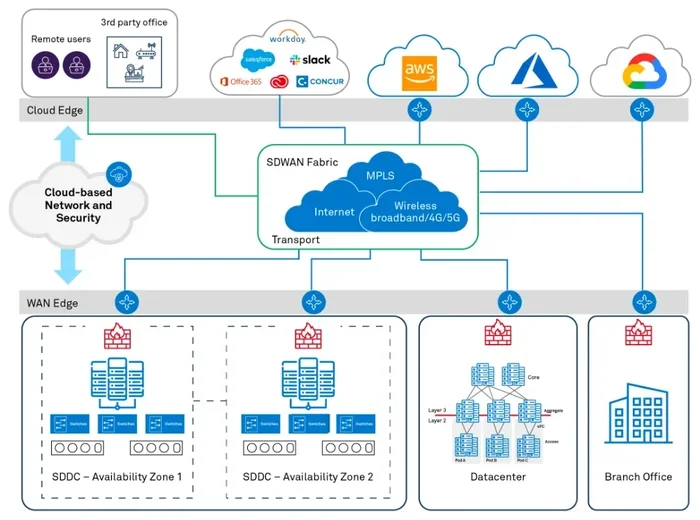
Cloud Computing Network Architecture and Security Guide
Cloud computing network architecture and security form the backbone of every modern digital operation. This guide breaks down how cloud networks are built and how to keep them safe from threats. You will learn about key components, best practices, and common pitfalls to avoid. Whether you are a beginner or a seasoned IT pro, this guide has actionable insights for you.
Key Takeaways
- Understand the core components: Learn how virtual networks, firewalls, and encryption work together in cloud environments.
- Adopt zero trust principles: Never assume trust, always verify every access request in your cloud setup.
- Choose the right deployment model: Public, private, and hybrid clouds each have unique security implications.
- Follow compliance standards: GDPR, HIPAA, and SOC 2 shape how you design your cloud security strategy.
- Practice continuous monitoring: Real-time threat detection keeps your cloud network safe around the clock.
- Review your provider’s terms and conditions: Always read the terms and conditions to understand your security responsibilities.
📑 Table of Contents
- What Is Cloud Computing Network Architecture and Security?
- Understanding Cloud Network Architecture
- Core Components of Cloud Network Architecture
- Cloud Security Fundamentals
- Best Practices for Securing Cloud Networks
- Common Mistakes in Cloud Network Security
- Expert Insights on Cloud Network Security
- Final Thoughts
What Is Cloud Computing Network Architecture and Security?
Cloud computing network architecture and security go hand in hand. You cannot have one without the other if you want a reliable system. Simply put, cloud architecture is how your network is structured in the cloud. Security is how you protect that structure from threats.
Every day, businesses move their operations to the cloud. They do this for flexibility, cost savings, and scalability. But with these benefits come risks. Hackers target cloud systems constantly. That is why understanding your cloud network setup matters so much.
Think of your cloud network like a building. The architecture is the blueprint. It shows where rooms go, how hallways connect, and where the doors are. Security is the locks, alarms, and guards you put in place. Without a solid blueprint, your locks won’t work right. Without locks, even the best blueprint is useless.
This guide walks you through both sides. You will learn how cloud networks are built. You will also learn how to secure them properly. Let us dive in.
Understanding Cloud Network Architecture
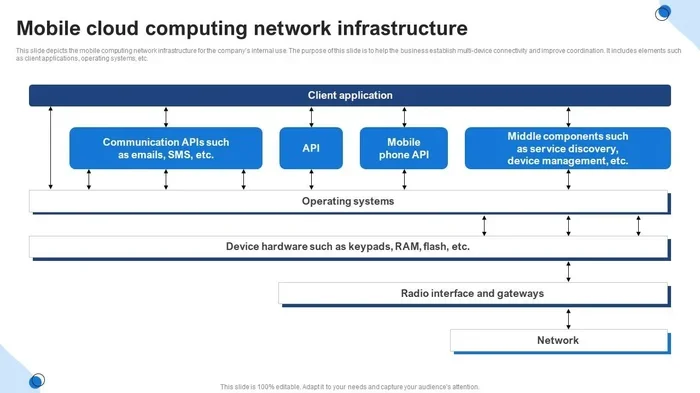
Cloud network architecture refers to how resources connect in a cloud environment. It includes virtual networks, subnets, routers, and gateways. Each piece plays a role in making sure data flows smoothly.
Before you can secure anything, you need to understand the layout. Different cloud models use different architectures. Let us look at the main types.
Public Cloud Architecture
In a public cloud, resources are shared among multiple users. Providers like AWS, Azure, and Google Cloud offer this model. Your data lives on the same physical hardware as other companies’ data. This sounds risky, but strong isolation techniques make it safe.
Public cloud architecture relies on virtual networks. Each customer gets a private virtual space. Think of it like apartments in a building. Everyone shares the same structure, but each unit is separate and secure.
Private Cloud Architecture
A private cloud is dedicated to one organization. It offers more control and customization. Companies with strict compliance needs often choose this route. The architecture is entirely behind their firewall.
Private clouds cost more, but they give you full authority. You decide who accesses what. You control the hardware and the software. This model works well for banks, hospitals, and government agencies.
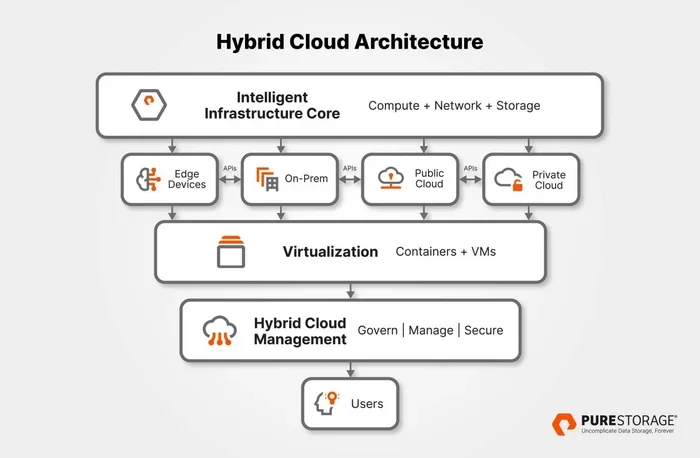
Hybrid Cloud Architecture
Hybrid clouds combine public and private models. Some workloads run on-premises. Others run in the public cloud. This gives you the best of both worlds.
Hybrid cloud architecture requires careful planning. You need secure connections between the two environments. Data must flow safely between private and public sections. Many modern businesses prefer this model for its flexibility.
Core Components of Cloud Network Architecture
Every cloud network has essential building blocks. Understanding these helps you design a system that is both efficient and secure.
Virtual Private Cloud (VPC)
A VPC is your isolated section within a public cloud. It acts like your own private network in the cloud. You control IP ranges, subnets, and route tables.
VPCs are the foundation of most cloud architectures. They let you segment your workloads. You can place sensitive data in one subnet and public-facing apps in another. This separation is a key security strategy.
Load Balancers
Load balancers distribute traffic across multiple servers. They prevent any single server from getting overwhelmed. This improves performance and reliability.
From a security standpoint, load balancers add a layer of protection. They can absorb traffic spikes, including those from DDoS attacks. Many cloud providers include built-in load balancing in their architecture.
Firewalls and Security Groups
Cloud firewalls filter incoming and outgoing traffic. Security groups act as virtual firewalls for individual resources. They define which ports and protocols are allowed.
Think of security groups as bouncers at a club. They check every request before letting it in. You set the rules, and they enforce them strictly. Misconfiguring these groups is one of the most common cloud security mistakes.
VPN and Direct Connect
Virtual Private Networks (VPNs) create encrypted tunnels between your network and the cloud. Direct Connect offers a dedicated physical link. Both options keep your data safe during transit.
VPNs are cost-effective and easy to set up. Direct Connect offers higher bandwidth and lower latency. Your choice depends on your performance needs and budget.
Cloud Security Fundamentals
Security in the cloud is different from traditional on-premises security. You do not control the physical hardware. Your provider does. But that does not mean you are off the hook.
Most cloud providers follow a shared responsibility model. They secure the infrastructure. You secure your data and access policies. Understanding this split is crucial for any cloud strategy.
Encryption in Cloud Networks
Encryption scrambles your data so only authorized users can read it. You should encrypt data at rest and in transit. Most cloud platforms offer built-in encryption tools.
Use strong encryption protocols like AES-256 for stored data. For data moving between points, TLS 1.3 is the current standard. Never skip encryption, even for internal traffic within your cloud network.
Identity and Access Management (IAM)
IAM controls who can access your cloud resources. It defines roles, permissions, and authentication methods. Strong IAM policies are your first line of defense.
Follow the principle of least privilege. Give users only the access they need. Review permissions regularly. Remove access for former employees immediately. These simple steps prevent many cloud breaches.
Threat Detection and Monitoring
Cloud environments generate massive amounts of logs. Monitoring these logs helps you spot suspicious activity early. Most providers offer native tools for this purpose.
Set up alerts for unusual behavior. For example, a login from an unexpected location should trigger an alert. Automated threat detection tools can respond faster than any human team. They are essential for modern cloud security.
Best Practices for Securing Cloud Networks
Security is not a one-time setup. It requires ongoing attention and improvement. Here are the best practices every organization should follow.
Implement Network Segmentation
Network segmentation divides your cloud environment into smaller zones. Each zone has its own security controls. If one segment is compromised, the others stay safe.
Use subnets to separate development, testing, and production environments. Place databases in private subnets with no direct internet access. This limits exposure and reduces risk significantly.
Adopt a Zero Trust Model
Zero trust means trusting no one by default. Every user and device must verify their identity for every request. This approach has become the gold standard in cloud security.
Zero trust architecture uses micro-segmentation. It checks every packet of data, every time. Even if someone breaches one part of your network, they cannot move laterally. This dramatically limits the damage of any breach.
Regular Security Audits
Schedule regular audits of your cloud setup. Check for misconfigurations, outdated policies, and unused resources. Many breaches happen because of simple oversights.
Use automated scanning tools to find vulnerabilities. Compare your setup against frameworks like CIS Benchmarks. Fix issues as soon as they are discovered. Do not wait for a breach to prompt action.
Review Provider Agreements Carefully
Before signing up with any cloud provider, read the terms and conditions carefully. These documents outline your security responsibilities and the provider’s obligations. Many businesses skip this step and later face compliance issues.
Pay attention to data ownership clauses. Understand where your data is stored geographically. Know the provider’s breach notification policies. These details matter more than most people realize.
Train Your Team
Your cloud security is only as strong as your team’s knowledge. Invest in regular training sessions. Make sure everyone understands basic security hygiene.
Teach staff to recognize phishing attempts. Show them how to use multi-factor authentication. Create a culture where security is everyone’s responsibility. A well-trained team is your strongest defense.
Common Mistakes in Cloud Network Security
Even experienced teams make errors. Knowing what to avoid saves time, money, and reputation.
Overlooking Misconfigurations
Misconfigured security groups are the number one cause of cloud breaches. An open port here, a public bucket there, and suddenly your data is exposed. Always double-check configurations before deploying.
Use infrastructure-as-code tools to enforce consistent setups. Automate configuration checks in your deployment pipeline. This catches errors before they become problems.
Ignoring Multi-Cloud Complexity
Many businesses use more than one cloud provider. This multi-cloud strategy offers flexibility but adds complexity. Each provider has its own security tools and configurations.
Managing security across multiple clouds is challenging. Use centralized security platforms that work across environments. Establish consistent policies that apply everywhere. Do not let complexity become a blind spot.
Skipping Backup and Disaster Recovery
No security plan is complete without backup and recovery procedures. Ransomware attacks can lock you out of your cloud resources. Without backups, recovery is nearly impossible.
Store backups in a separate region or provider. Test your recovery process regularly. A backup you have never tested is not a real backup.
Expert Insights on Cloud Network Security
Industry experts agree on a few key trends shaping cloud security today. The shift toward zero trust is perhaps the most significant. Traditional perimeter-based security no longer works in distributed cloud environments.
Another major trend is the rise of AI-driven security tools. These systems analyze patterns across millions of events in real time. They detect threats that human analysts would miss. As cloud networks grow more complex, AI becomes indispensable.
Compliance is also evolving rapidly. New regulations around data privacy keep emerging. Organizations must stay updated and adapt their security practices accordingly. Ignoring compliance is not an option in today’s regulatory landscape.
Final Thoughts
Cloud computing network architecture and security deserve your full attention. They are not optional add-ons. They are the foundation of every successful cloud operation. Take the time to understand your architecture. Invest in strong security practices from day one.
Start with the basics. Get your network segmentation right. Implement strong IAM policies. Enable encryption everywhere. Then build on that foundation with advanced measures like zero trust and AI-driven monitoring.
Remember that cloud security is a journey, not a destination. Threats evolve constantly. Your defenses must evolve with them. Stay curious, stay vigilant, and never stop learning. Your cloud environment will be stronger for it.
Frequently Asked Questions
What is cloud computing network architecture?
Cloud computing network architecture is the design and structure of how resources connect in a cloud environment. It includes virtual networks, subnets, routers, load balancers, and gateways. This architecture determines how data flows between users and cloud services.
Why is security important in cloud computing?
Security protects your data, applications, and infrastructure from unauthorized access and attacks. Cloud environments face unique threats like misconfigurations, data breaches, and DDoS attacks. Without proper security measures, your business faces serious financial and reputational risks.
What is the shared responsibility model in cloud security?
The shared responsibility model divides security duties between the cloud provider and the customer. The provider secures the physical infrastructure and core services. The customer is responsible for securing their data, access policies, and configurations.
How does network segmentation improve cloud security?
Network segmentation divides your cloud environment into isolated zones. Each zone has its own security controls and access rules. If one segment is compromised, the attacker cannot easily reach other parts of your network. This limits the damage and slows lateral movement.
What is zero trust architecture in cloud networking?
Zero trust architecture assumes no user or device is trustworthy by default. Every access request is verified, regardless of where it comes from. It uses micro-segmentation and continuous monitoring to enforce strict security policies across your cloud network.
How can I secure my cloud network on a budget?
Start with the basics like strong IAM policies, encryption, and network segmentation. Most cloud providers offer free built-in security tools. Enable multi-factor authentication and conduct regular audits. These steps cost little to nothing but provide massive protection.
=== CONCLUSION ===
Cloud computing network architecture and security are essential topics for anyone working with the cloud. Your architecture sets the stage. Your security practices determine how well you protect what matters most. By understanding the core components, following best practices, and avoiding common mistakes, you build a cloud environment that is both powerful and safe.
Take action today. Review your current setup. Identify gaps. Apply the strategies in this guide. Your future self and your organization will thank you. The cloud is powerful, but only if you use it wisely and securely.