Cloud Computing Management Degree Your Path to Success
A cloud computing management degree opens doors to exciting careers in the fast-growing tech industry. This degree teaches you how to manage cloud infrastructure, oversee cloud services, and lead digital transformation projects. Whether you are just starting out or looking to advance your current career, this path offers strong job prospects and competitive pay.
A cloud computing management degree is one of the smartest investments you can make in your future right now. The tech world is shifting fast, and businesses of every size are moving their operations to the cloud. This shift creates a huge need for people who understand not just the technology, but also how to manage it effectively.
If you have ever wondered what it takes to lead cloud projects, manage virtual servers, or help companies transition to cloud services, this degree could be your answer. It combines technical knowledge with business skills, giving you a well-rounded foundation. Let us walk through everything you need to know about this exciting field.
Key Takeaways
- High Demand: Companies across all industries need skilled cloud computing management professionals.
- Strong Salary Potential: Graduates can earn well above average starting salaries in tech.
- Flexible Learning: Many programs offer online options for working professionals.
- Diverse Career Paths: You can work in cloud architecture, IT management, cloud security, and more.
- Certification Boost: Pairing your degree with cloud certifications like AWS or Microsoft Azure increases your value.
- Future-Proof Skills: Cloud adoption continues to grow, making this a long-term career investment.
📑 Table of Contents
- What Is a Cloud Computing Management Degree?
- Why Choose a Career in Cloud Computing Management?
- What Will You Learn in the Program?
- Top Skills You Will Develop
- Certifications That Boost Your Degree
- Common Career Paths After Graduation
- How to Choose the Right Program
- Quick Tips for Success in Your Studies
- Common Mistakes to Avoid
- Expert Insights
- The Future of Cloud Computing Management
- Final Thoughts
What Is a Cloud Computing Management Degree?
A cloud computing management degree is an academic program that teaches you how to design, deploy, and manage cloud-based systems. Unlike purely technical degrees, this program blends IT expertise with management and leadership training. You learn how to build cloud infrastructure while also understanding budgets, team coordination, and project planning.
Most programs cover core topics like virtualization, cloud architecture, network management, and data management. You will also study business courses such as IT strategy, risk management, and digital transformation. The goal is to produce graduates who can do the technical work and lead the teams that do it.
Types of Degrees Available
You have several options when it comes to pursuing this degree. Here is a quick look at what is available:
- Associate Degree: A two-year program that covers basics of cloud systems and IT support. Great for entry-level roles.
- Bachelor’s Degree: A four-year program offering deeper knowledge of cloud architecture, security, and management.
- Master’s Degree: For those who already have a degree and want to specialize in cloud computing careers or move into leadership.
- Online Degree Programs: Many universities now offer flexible online options, making it easier to study while working.
Why Choose a Career in Cloud Computing Management?
The demand for cloud computing management professionals is growing fast. More companies are adopting cloud platforms like Amazon Web Services, Microsoft Azure, and Google Cloud. This trend is not slowing down anytime soon.
Job Market and Growth
According to industry reports, cloud-related jobs are among the fastest-growing in the technology management sector. Businesses need people who can handle everything from setting up cloud networks to managing cloud services and ensuring data stays safe. The U.S. Bureau of Labor Statistics projects strong growth in IT and computer-related occupations for years to come.
Here are some key reasons why this career path is so promising:
- Almost every industry uses cloud technology now, from healthcare to finance to entertainment.
- Companies are shifting budgets toward cloud infrastructure, creating more job openings.
- Remote work has made cloud systems even more essential for daily operations.
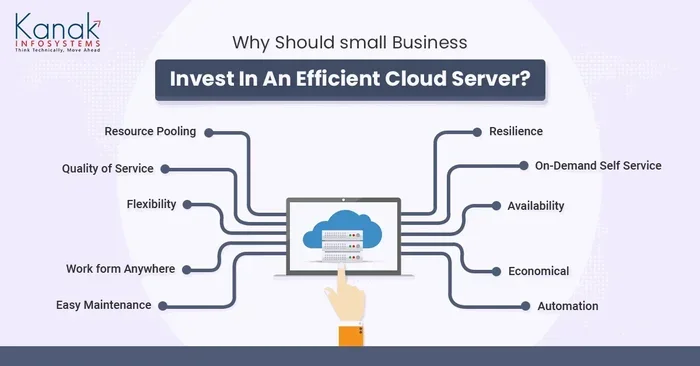
- Small businesses are also moving to the cloud, expanding the job market beyond big tech firms.
Salary Expectations
Salaries in this field are very competitive. Entry-level positions often start above the average for many other IT roles. With experience and additional certifications, you can earn even more. Here is a rough breakdown:
- Entry-Level Cloud Administrator: $55,000 – $75,000 per year
- Mid-Level Cloud Manager: $80,000 – $110,000 per year
- Senior Cloud Architect or Director: $120,000 – $160,000+ per year
Your exact salary will depend on your location, experience, and the specific cloud computing jobs you pursue. But the earning potential is clearly strong.
What Will You Learn in the Program?
A good cloud computing management degree program gives you a mix of technical skills and soft skills. You will not just learn how systems work, you will also learn how to lead people and projects.
Technical Courses
On the technical side, expect to study courses like:
- Cloud Infrastructure and Architecture: Learn how to design and build cloud environments.
- Virtualization Technologies: Understand how virtual machines and containers work.
- Cloud Security and Compliance: Study how to protect data and meet regulatory standards.
- Network and Systems Administration: Get hands-on experience managing servers and networks.
- Data Management and Analytics: Learn to handle large datasets stored in the cloud.
Business and Management Courses
On the management side, you will take courses that prepare you for leadership roles:
- IT Project Management: Plan and execute cloud-related projects on time and on budget.
- Digital Transformation Strategy: Help businesses transition smoothly to cloud-based operations.
- Budgeting and Cost Management: Understand the financial side of cloud adoption.
- Team Leadership and Communication: Build skills to manage technical teams effectively.
This combination is what makes a cloud computing management degree so valuable. You are not just a technician, you are a leader who understands the full picture.
Top Skills You Will Develop
Graduates of these programs come out with a strong set of skills that employers love. Here are some of the most important ones:
- Cloud Platform Expertise: Hands-on experience with AWS, Azure, or Google Cloud Platform.
- Problem-Solving: The ability to troubleshoot complex cloud infrastructure issues quickly.
- Project Management: Skills to plan, budget, and deliver cloud projects successfully.
- Cybersecurity Awareness: Understanding how to keep cloud data safe from threats.
- Communication: The ability to explain technical concepts to non-technical stakeholders.
- Adaptability: Willingness to learn new tools and platforms as cloud technology evolves.
These skills are highly transferable. Whether you work for a large corporation or a small startup, they will serve you well.
Certifications That Boost Your Degree
While your degree gives you a solid foundation, adding certifications can really set you apart. Employers look for candidates who can prove their skills in specific cloud platforms. Here are some of the most respected certifications:
AWS Certifications
Amazon Web Services is the leading cloud provider worldwide. Their certifications are widely recognized and valued. The AWS Solutions Architect and AWS Cloud Practitioner certifications are great starting points for graduates.
Microsoft Azure Certifications
Microsoft Azure is another major platform, especially popular in enterprise environments. The Azure Administrator Associate certification shows employers you can manage cloud services on the Azure platform.
Google Cloud Certifications
Google Cloud Platform offers certifications focused on data engineering, cloud architecture, and security. These are excellent for those interested in data-heavy roles.
Many cloud computing management degree programs prepare you for these exams. Some even include certification prep as part of the curriculum, which is a huge advantage.
Common Career Paths After Graduation
So what can you actually do with a cloud computing management degree? The options are wide open. Here are some of the most common career paths:
Cloud Administrator
You manage day-to-day cloud operations, monitor performance, and handle user access. This is a great starting role for new graduates.
Cloud Architect
You design the overall cloud infrastructure for an organization. This role requires deep technical knowledge and strong problem-solving skills.
IT Manager or IT Director
You oversee the entire IT department, including cloud operations, team management, and strategic planning.
Cloud Security Specialist
You focus on protecting cloud systems and data from threats. This is a rapidly growing specialty area.
DevOps Engineer
You bridge the gap between development and operations, ensuring smooth deployment and management of cloud-based applications.
Digital Transformation Consultant
You advise businesses on how to move their operations to the cloud effectively and efficiently.
Each of these roles plays a critical part in the digital transformation of modern businesses. And each one benefits from the well-rounded training a cloud computing management degree provides.
How to Choose the Right Program
Not all programs are created equal. When you are choosing a cloud computing management degree, here are some factors to consider:
- Accreditation: Make sure the program is accredited by a recognized body. This affects your eligibility for financial aid and employer recognition.
- Curriculum: Look for programs that cover both technical and business topics. A balanced curriculum gives you the best preparation.
- Hands-On Experience: Programs that include labs, simulations, or internships give you real-world practice.
- Faculty Expertise: Instructors with industry experience can share valuable insights you will not find in textbooks.
- Flexibility: If you are working or have other commitments, look for online or part-time options.
- Career Support: Programs that offer job placement assistance, networking events, and career counseling are a big plus.
Take your time to research different programs. Read reviews, talk to alumni, and compare curriculums. The right program can make a real difference in your career trajectory.
Quick Tips for Success in Your Studies
Whether you are just starting or already enrolled, these tips can help you get the most out of your program:
- Practice with real platforms. Set up free accounts on AWS, Azure, or Google Cloud and start experimenting.
- Join study groups. Collaborating with classmates helps you learn faster and build your network.
- Work on projects. Build a portfolio of cloud projects to show potential employers what you can do.
- Stay current. Follow cloud computing news and trends to understand where the industry is heading.
- Network actively. Attend industry events, join online communities, and connect with professionals on LinkedIn.
- Do not neglect the business side. Management and communication skills are just as important as technical ones.
These simple habits can accelerate your learning and make you a stronger candidate when you enter the job market.
Common Mistakes to Avoid
Here are some pitfalls that students often fall into, and how to avoid them:
- Skipping the business courses: Some students focus only on technical classes. But management and communication skills are essential for career growth.
- Ignoring certifications: Your degree is important, but certifications prove you can do the job. Do not skip them.
- Not building a portfolio: Employers want to see what you have built. Create projects and document them.
- Choosing a program based on price alone: Cheap does not always mean better. Look at the full value of the program.
- Waiting too long to start networking: Connections you make during your studies can lead to job opportunities later.
Avoiding these mistakes can save you time and help you get more out of your education.
Expert Insights
We spoke with several professionals in the cloud computing field to get their advice for aspiring students. Here is what they had to say:
“The cloud is not going anywhere. Every industry is moving to cloud platforms, and the need for skilled managers will only grow. If you invest in this degree now, you are setting yourself up for a long and rewarding career.” Sarah Mitchell, Cloud Solutions Director at a Fortune 500 company
“What sets successful cloud professionals apart is their ability to think both technically and strategically. A cloud computing management degree gives you exactly that combination.” David Chen, IT Management Consultant
“Do not just focus on one platform. Learn the fundamentals across AWS, Azure, and Google Cloud. The more versatile you are, the more valuable you become in the job market.” Lisa Patel, Senior Cloud Architect
These insights highlight a clear theme: the future belongs to professionals who can manage cloud services with both technical depth and business savvy.
The Future of Cloud Computing Management
The cloud computing industry is evolving rapidly. New technologies like edge computing, artificial intelligence integration, and multi-cloud strategies are shaping the future. A cloud computing management degree prepares you not just for today’s jobs but for the roles of tomorrow.
As more organizations adopt digital transformation strategies, the demand for skilled cloud managers will continue to rise. Companies will need people who can navigate complex cloud infrastructure, manage costs effectively, and lead teams through change.
If you are passionate about technology and enjoy leading projects, this career path offers both stability and excitement. The skills you gain from a cloud computing management degree will remain relevant for decades.
Final Thoughts
A cloud computing management degree is more than just a piece of paper. It is a gateway to a thriving career in one of the most in-demand fields today. You gain technical expertise, management skills, and the confidence to lead cloud computing careers forward.
Whether you choose to work as a cloud administrator, architect, manager, or consultant, you will find that this degree opens many doors. The combination of technology management knowledge and hands-on cloud skills makes graduates highly attractive to employers.
If you are ready to take the next step, start exploring programs today. Look at the curriculum, check for online degree options, and think about which certifications you want to pursue. The right education can transform your future.
The cloud is here to stay, and the professionals who can manage it are in high demand. Your journey toward a successful career in cloud computing management starts with the right degree. Make the investment, put in the work, and watch the opportunities grow.
Frequently Asked Questions
What is a cloud computing management degree?
A cloud computing management degree is an academic program that teaches you how to design, manage, and lead cloud-based systems. It combines technical IT skills with business and management training to prepare you for roles in the cloud industry.
How long does it take to earn this degree?
A bachelor’s degree typically takes four years of full-time study. An associate degree takes about two years, and a master’s degree usually requires an additional one to two years after your bachelor’s. Online programs may offer flexible timelines.
Can I study this degree online?
Yes, many universities now offer online degree programs in cloud computing management. These programs provide the same quality education as on-campus options, with the added flexibility of studying from anywhere.
What jobs can I get with a cloud computing management degree?
Graduates can pursue roles like cloud administrator, cloud architect, IT manager, cloud security specialist, DevOps engineer, and digital transformation consultant. The degree opens up many cloud computing jobs across different industries.
Do I need a degree to work in cloud computing?
While some people enter the field through self-study and certifications, a formal degree gives you a strong foundation and makes you more competitive. Many employers prefer candidates with a cloud computing management degree or related qualification.
How much can I earn with this degree?
Salaries vary based on experience, location, and role. Entry-level positions typically start between $55,000 and $75,000 per year, while senior roles like cloud architect can earn $120,000 or more. The technology management field offers strong earning potential overall.
=== CONCLUSION ===
A cloud computing management degree is one of the best investments you can make in your professional future. The world is moving to the cloud, and skilled professionals who can manage cloud infrastructure, lead teams, and drive digital transformation are in high demand. This degree gives you the technical knowledge, management skills, and industry recognition to succeed.
From choosing the right program to earning valuable certifications, every step you take brings you closer to a rewarding career. The cloud computing careers available today are diverse, well-paying, and built for long-term growth. Start your journey now, stay curious, and keep learning. The cloud is not just the future, it is the present, and the opportunities are waiting for you.